Ghi Clown Ball Python: Breeding Odds, Pairings and Market Value
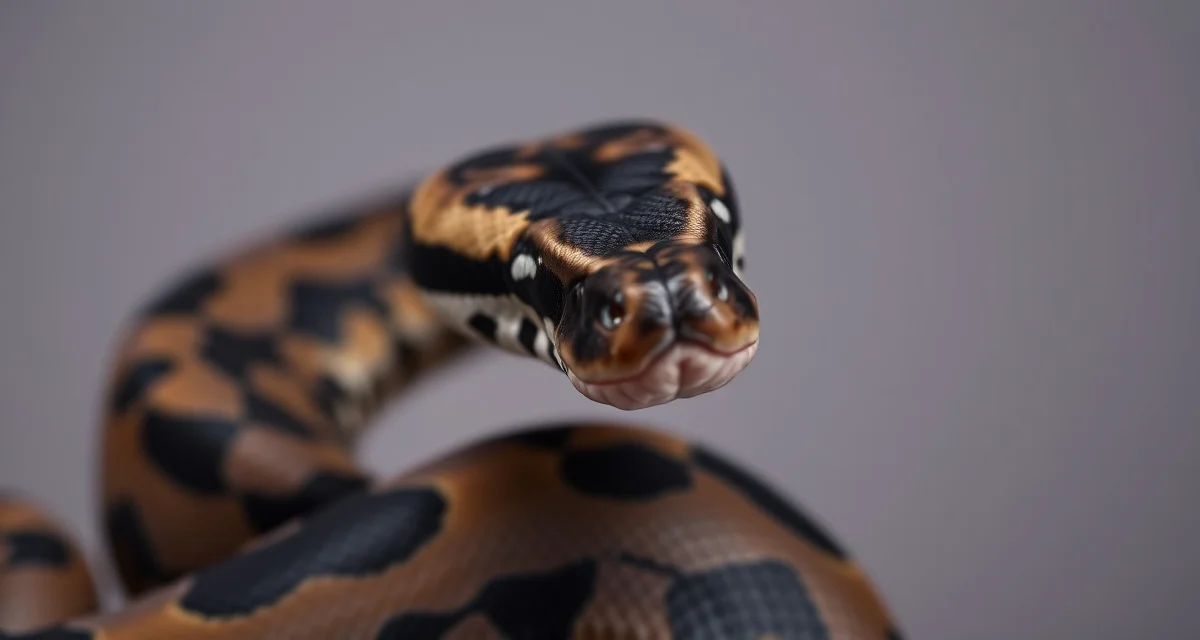
The GHI clown ball python is one of the more dramatic clown combinations a breeder can work with. GHI (Gotta Have It) is a codominant gene that creates intense black patterning, deep contrast, and a distinctive look that pushes any combo it's part of into high-visual-impact territory. Add the alien head pattern of clown and the clean contrasting expression it brings, and you get something that genuinely stands out at a show table or in a listing photo.
TL;DR
- The Ghi Clown combination requires careful planning across multiple genetic lines before visual animals can be produced.
- Recessive genes in any combination require both parents to carry the gene, making genetics guide the foundation of a successful project.
- Multi-recessive projects typically take 2-4 seasons from acquiring het stock before producing the target combination visual.
- Co-dominant genes in combinations show in single copy, allowing you to confirm the gene visually before selling or retaining animals.
- Documenting parentage for every animal in a multi-gene project is the only reliable way to maintain accurate het claims across generations.
GHI clown projects require real planning. Both the genetics and the market dynamics reward breeders who think ahead. Breeders using integrated software report 30% less time on administrative tasks, time that goes back into the animals.
Why GHI Clown Is a Serious breeding project planner
GHI is a fascinating gene with a super form that produces extremely dark, melanistic animals. Pairing GHI to GHI (or to Black Pastel, which is in the same gene complex) raises welfare questions. The super form can express issues. Know your complex genetics before you pair.
Combined with clown (a recessive gene), GHI clown projects sit at the intersection of some of the more complex planning in ball python breeding. You need to know your animals' backgrounds in detail.
How to Breed GHI Clown Ball Pythons
Step 1: Confirm Your Genetics
GHI is sometimes confused with Mojave or other dark-patterning genes. Make sure you're working with confirmed GHI. If your animals came from proven GHI breeders with documentation, great. If you're uncertain, have pairings verified before building a clown project around them.
GHI interacts with other genes in the dark complex (Black Pastel, Cinnamon, etc.) in ways that can affect super form viability. Know the complex before you pair GHI to anything in that group.
Use the ball python morph calculator to model your clutch outcomes.
Step 2: Plan Your Pairing Strategy
The most productive GHI clown pairings:
- GHI het Clown x Clown: produces GHI clowns, GHI het clowns, visual clowns, het clowns
- GHI Clown x Normal het Clown: produces GHI clowns and het-carrying offspring
- GHI Clown x GHI het Clown: adds Super GHI Clown potential (but check complex interaction first)
The Super GHI Clown is an extremely dark, high-contrast animal with strong clown expression. A genuinely striking animal that commands collector-level pricing.
Step 3: Condition Your Breeders Properly
GHI animals tend to be solid feeders. Females to 1,500g or above. Heavy feeding through summer and fall. Drop temperatures in October or November. Log every weight and feeding. Conditioning documentation supports sales confidence.
Step 4: Introduce Males and Track Locks
Evening introductions. Log every introduction and every lock. GHI males are typically good breeders. Reintroduce weekly through breeding season.
Clear pairing records matter here. GHI clown pairings with complex interactions need precise documentation.
Step 5: Track Ovulation and Clutch Timing
Log ovulation immediately. Pre-lay shed at 30 days post-ovulation. Egg laying at 16-18 days post-shed. Anchor your hatch window to a logged ovulation date, not guesswork.
Step 6: Incubate at Correct Parameters
Eggs at 88-90°F, high humidity. Clutches average 4-8 eggs. Label containers with full pairing data. Hatch window: 54-60 days.
Step 7: Identify and Process Hatchlings
GHI clown hatchlings are distinctive. The dark patterning of GHI combined with clown expression is visible at hatch in visual animals. GHI hets look like GHI, and het clowns look normal. Sex everything before pricing.
GHI clown females at retail are high-value animals. Document morph ID, sex, hatch weight, and first feeding response for every animal.
What GHI Clown Ball Pythons Sell For
| Animal | Typical Range |
|--------|--------------|
| GHI het Clown | $300 - $600 |
| Visual Clown | $200 - $450 |
| GHI Clown | $700 - $1,400 |
| Super GHI Clown | $1,500 - $3,000+ |
| Females | Premium +30-50% |
GHI clown is priced at the higher end of the clown combo market because of GHI's visual impact and relative scarcity in clean clown projects. Visual females move at premium prices consistently.
Common Mistakes in GHI Clown Projects
Not verifying GHI genetics before building a project. This is especially important given the complex interactions GHI has with other dark-patterning genes. Confirm your animals before you commit.
Ignoring super form implications. If you pair GHI to other dark complex genes carelessly, you risk welfare issues in super forms. Know your project's risk profile.
Undervaluing GHI het clowns. These animals sell to serious breeders building their own GHI clown projects. Price them based on documentation quality, not just visual impact.
Not tracking clutch costs. GHI clown projects carry real costs: animal acquisition, feeding, space, time. The ball python breeding hub breaks down how to track these accurately.
What is the best approach to ghi clown ball python?
Start by confirming your GHI genetics and understanding which dark complex genes your animals carry. Then model your pairing options and select the combination that gives you the best ratio of high-value visual animals. GHI het clown females paired to visual clown males is one of the cleaner starting approaches. 25% of offspring will be GHI clown, and another 25% will be visual clowns.
How do professional breeders handle ghi clown ball python?
Professional breeders working GHI clown projects maintain detailed documentation on animal genetics, pairing history, and clutch composition. They understand the dark complex interactions, price GHI het animals appropriately, and know exactly what each clutch cost to produce. That financial awareness is what makes these high-investment projects sustainable.
What software helps manage ghi clown ball python?
HatchLedger connects husbandry records to clutch financials so you can evaluate each GHI clown project on real numbers. For high-value projects where individual animals can sell for thousands of dollars, knowing your cost basis is how you make confident pricing and production decisions.
Sources
- USARK (United States Association of Reptile Keepers)
- Association of Reptilian and Amphibian Veterinarians (ARAV)
- MorphMarket (reptile industry market reference)
- World of Ball Pythons (WoBP genetics reference database)
- Reptiles Magazine (Bowtie Inc.)
Run Your GHI Clown Project on Real Data
Get Started with HatchLedger
Building a Ghi Clown project across multiple seasons means tracking genetics, parentage, and clutch outcomes that compound in complexity year over year. HatchLedger connects all of that data in one system so your project documentation stays accurate from first pairing through final sale. Try it free with up to 20 animals.