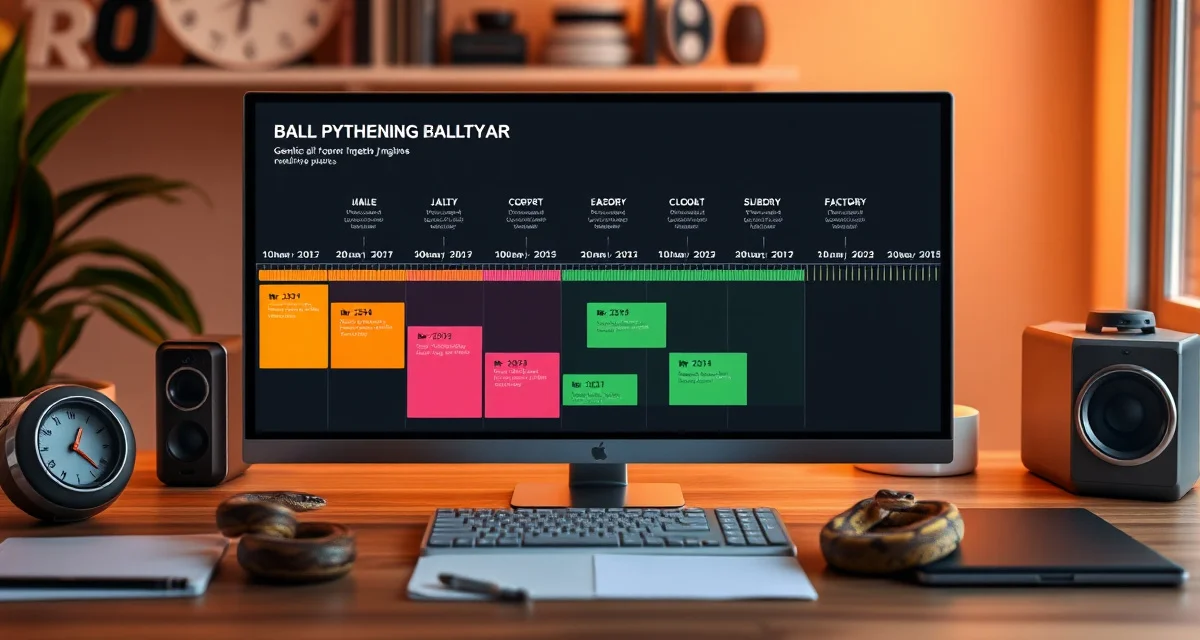
Ball Python Breeding Project Planner Tool
A breeding project is more than a single season's pairings. It's a multi-year genetic roadmap, from foundation animal acquisition to the target combo animals you're working toward. A breeding project planner makes that roadmap visible, helping you see which animals you need, which pairings you'll run each season, and when you can expect to produce your target morphs.
TL;DR
- A breeding project planner structures multi-season genetic goals with explicit timelines, cost projections, and expected outcomes.
- Multi-recessive combination projects typically take 3-4 seasons from acquiring starting stock to producing the first target visual animal.
- Modeling expected clutch outcomes before acquiring animals helps set realistic ROI expectations and avoid projects that will not generate profit.
- Current revenue-generating projects should fund the patience required for longer-term multi-recessive builds.
- Portfolio diversification across short, mid, and long-horizon projects reduces the risk of a single season's results affecting overall operation health.
What a Breeding Project Planner Does
A breeding project planner organizes your genetic goals across multiple breeding seasons. For a simple dominant morph project, this might span just one season. For a recessive project targeting a specific combo like Clown Pied, it might span four or five years.
The planner captures:
- Target animals: What morph combinations are you working toward producing?
- Current genetic inventory: What animals do you already have that contribute to the project?
- Acquisition needs: What animals do you need to acquire to complete the genetic foundation?
- Pairing schedule: Which animals will be paired in which season, and what's the expected genetic output?
- Financial projections: What will the project cost to develop, and when does it start generating meaningful revenue?
- Timeline to target: When can you realistically expect to produce your first target combo animals?
Without this planning framework, projects get started without a clear end state, animals are acquired without a clear role in the program, and breeders find themselves years into a project that hasn't converged on a clear direction.
Building a Project Plan: Step by Step
Step 1: Define the Target
Be specific about what you're working toward. "I want to breed Clowns" is too vague. "I want to produce Banana Pastel Clown females by Season 3" is a project target.
The target determines what foundation animals you need, which pairings to run, and what timeline is realistic. Work backwards from the target to understand the genetic steps required to get there.
Step 2: Audit Your Current Genetics
Which animals in your current collection contribute to the project? List them with their complete genetic profiles. These are your starting assets.
Then identify the gap: what genes or what animals are missing to complete the genetic foundation? This is what you'll need to acquire.
Step 3: Map the Acquisition Plan
For a project requiring animals you don't currently have, when will you acquire them, from where (your own production, purchase, or trade), and at what estimated cost?
Budget this acquisition cost against your expected project timeline and return. A project that requires $2,000 in foundation animal acquisition and takes four years to produce its first high-value combo animals needs to be evaluated against alternative projects with different cost and timeline profiles.
Step 4: Build the Pairing Matrix by Season
Map out which specific pairings you'll run in each season:
- Season 1: Foundation pairings producing het offspring
- Season 2: Het x het or het x visual pairings producing first visuals
- Season 3: Visual x combination pairings producing target combos
For each planned pairing, run the morph calculator to confirm expected genetic outcomes. The ball python morph calculator lets you model these outcomes so your season-by-season plan is built on accurate genetic predictions rather than rough estimates.
Step 5: Estimate Financial Performance by Season
Which season does the project generate its first meaningful revenue? Which season does it break even against cumulative investment? When does it become sustainably profitable?
This financial modeling doesn't need to be precise, but it needs to be realistic. Projects with too-optimistic revenue timelines fail when early seasons don't generate expected returns and the breeder runs out of patience or capital.
Planning Multiple Projects Simultaneously
Most serious breeders run multiple projects at once. A Clown project alongside a Pied project alongside a BEL development program, for example. Each project has its own target, foundation animals, and pairing schedule.
Managing multiple projects simultaneously requires knowing which animals serve which projects and whether any animals have dual-project roles (an animal that's 100% het Clown and also het Pied contributes to both projects simultaneously, which is efficient).
Visualizing all active projects on a shared timeline helps you see resource conflicts: are you planning to pair more females than you actually have in Season 3? Are two projects expecting to use the same male simultaneously? The planner makes these conflicts visible before the season rather than during it.
Holdbacks and Long-Term Genetic Investment
Every project requires decisions about holdbacks: which animals from each season's production do you keep for future breeding purposes rather than selling?
Holding back a Banana Pastel het Clown female from Season 1 costs you her sale price now but potentially enables notably higher-value pairings in Season 3 or 4. Modeling this tradeoff is part of project planning.
The animals you choose to hold define the genetic trajectory of your program. Breeders who consistently sell everything and retain no holdbacks are perpetually starting projects from scratch rather than building on previous seasons. Project planning makes holdback decisions intentional rather than reactive.
The HatchLedger Connection
A breeding project plan is a living document that needs to stay connected to your actual collection data. When Season 1 pairings produce different outcomes than projected, the Season 2 plan needs to update. When you acquire an animal unexpectedly, it might create new pairing options that improve a project timeline.
HatchLedger stores your animal records, tracks genetic profiles, and connects pairing outcomes to offspring records across seasons. This means your project plan can be updated dynamically as actual events unfold rather than existing as a static document that becomes outdated within a season.
Breeders using integrated software report 30% less time on administrative tasks, and for multi-year project management specifically, the difference between having live, connected data and managing disconnected records manually is what determines whether a project plan actually guides decisions or just sits in a notebook as an intention.
The reptile breeder software comparison covers how different tools support multi-year project planning alongside day-to-day collection management.
Frequently Asked Questions
What is the best approach to ball python breeding project planner?
Define a specific target combo with a realistic timeline before acquiring foundation animals. Map the required genetic steps backwards from your target to understand what pairings and what animals you need in each season. Run your pairing plans through a morph calculator to verify expected outcomes. Build financial projections for each season and review them honestly against the opportunity cost of alternative projects.
How do professional breeders handle ball python breeding project planner?
Professional breeders manage multiple concurrent projects with explicit seasonal pairing plans. They know which animals serve which projects, model holdback decisions explicitly against the revenue tradeoff, and update their plans dynamically as actual seasonal outcomes deviate from projections. Annual reviews of project financial performance drive decisions about which projects to continue, scale, or retire.
What records should every reptile breeder maintain per animal?
At minimum: acquisition date and source, morph and genetic documentation, feeding log, weight history, any veterinary treatments, and breeding history including pairing dates, clutch of origin for captive-bred animals, and offspring records. These records serve your own management, buyer documentation, regulatory compliance, and long-term genetic tracking.
How should reptile breeders document genetics for buyers?
A complete genetic record for sale includes the animal's visual morph name, confirmed het genes and their basis (parentage documentation or proven-out production), possible het genes with probability percentages, hatch date, and parent morph information. Including clutch-of-origin records lets buyers independently verify the claims.
Sources
- USARK (United States Association of Reptile Keepers)
- Association of Reptilian and Amphibian Veterinarians (ARAV)
- World of Ball Pythons (WoBP genetics reference database)
- MorphMarket (reptile industry marketplace)
- Reptiles Magazine (Bowtie Inc.)
Get Started with HatchLedger
Planning a breeding project means managing expectations, timelines, and costs across multiple seasons before the first premium animal is produced. HatchLedger keeps your project records, genetics data, and financial tracking connected so your plan stays grounded in real data. Try it free with up to 20 animals.