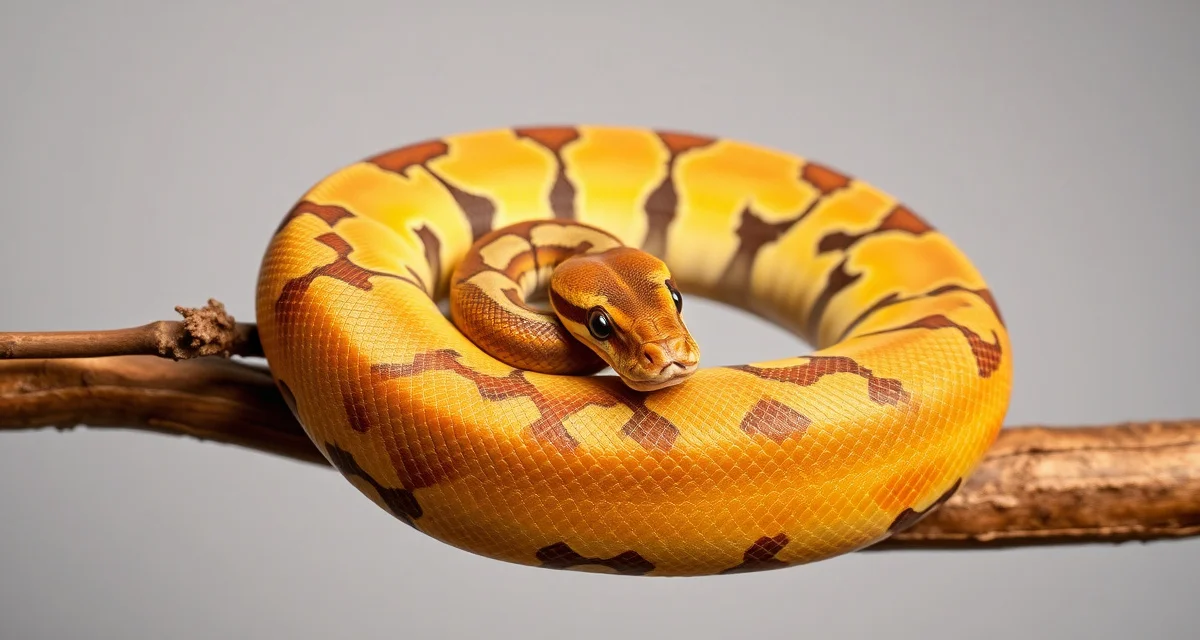
Ball Python Market Trends: Morph Values and Demand
The ball python morph market doesn't move in a straight line. Morphs that commanded thousands of dollars a decade ago now sell for hundreds. New genes emerge and disrupt established value hierarchies. Social media shifts demand faster than breeding programs can adapt. Understanding where the market has been and where it's heading is as important for your business as understanding genetics guide.
TL;DR
- Ball python breeding operations require systematic record-keeping from pre-season preparation through end-of-season sales.
- Females at 1,200-1,500g or more are the target weight before introducing them to a breeding male.
- Ovulation detection is the key event that anchors pre-lay shed and lay date calculations.
- Clutch profitability depends on understanding actual cost basis per animal, not just gross sale revenue.
- Well-documented animals with complete feeding histories and clear genetic records consistently sell faster and at higher prices.
This guide covers the structural forces driving ball python morph values, the current trends shaping the market, and how to position your breeding program to stay ahead of commodity pricing.
How Ball Python Morph Pricing Works
Ball python morph prices are driven almost entirely by supply and demand dynamics, with a few modifying factors:
Rarity: How many breeders are producing this morph, and in what volume? A gene that requires multi-generation recessive proving work is always in limited supply compared to a dominant gene that any breeder can produce from one visual animal.
Visual impact: Does the morph look dramatically different from a normal ball python? Eye-catching morphs with high contrast, unusual coloration, or unique patterning command more attention and typically higher prices.
Versatility in combos: A gene that enhances almost every morph it's combined with (like Pastel) is more valuable as a breeding asset even if individual single-gene animals are priced modestly. Genes that "stack well" maintain demand even as prices normalize.
Platform visibility: What morphs are trending on social media right now? Instagram and TikTok reptile communities have meaningful influence on what buyers search for and what prices they're willing to pay.
Buyer demographics: The ball python hobby has expanded dramatically. New pet buyers often seek colorful, unusual-looking animals without deep genetic knowledge. Experienced collectors seek specific gene combinations. These are different markets with different price sensitivities.
The Commodity Trap: What Happened to Basic Morphs
The history of the ball python morph market is largely the history of commodity pricing. When Spider was first produced in the late 1990s, individual animals sold for $10,000 or more. Today, single-gene Spiders sell for well under $100. The same pattern played out with Pastel, Ball, Fire, Mojave, and dozens of other morphs that were once rare and expensive.
The mechanism is straightforward: once a morph is established, more breeders enter the market. Supply increases faster than demand. Prices drop until they reach a floor near the cost of production (food, heat, space, time) plus a modest margin.
This isn't unique to ball pythons. It's basic commodity market economics. The implication for breeders is clear: relying on simple morphs that are widely produced is a race to the bottom on price. The only sustainable position is building a value premium through combinations, rarity, or other differentiators.
Current Market Segments
High-Value Recessives
Complex recessive morphs, Clown, Pied, and increasingly their combo forms, continue to hold value better than most other category morphs. This is because producing visual recessive animals requires multi-generation planning and notable up-front investment. The supply remains constrained relative to demand.
Within recessives, the clearest value is in combination animals. A single-gene visual Clown might sell for $300-500 in today's market. A Banana Pied Clown or a Super Pastel Clown might sell for $2,000-5,000 or more depending on additional genes and the specific animal's color expression.
The lesson: recessives still pay, but increasingly only in combination, not as single-gene animals.
BEL (Blue-Eyed Lucy) Complex
BEL animals maintain strong buyer appeal because of their striking appearance. Pure white or cream animals with blue eyes photograph beautifully and attract buyers who aren't deeply invested in understanding the genetics. Single-gene BELs (Super Mojave, Super Lesser, etc.) have become more accessible in price, but BEL animals with additional genes layered in (BEL Cinnamon, BEL Pied) continue to command meaningful premiums.
Banana and Coral Glow Market
Banana (also sold as Coral Glow) experienced a dramatic price drop over the last several years as production scaled. Animals that once sold for thousands now sell for $50-150 in many market tiers. However, Banana in combos (Banana Pied, Banana Clown, Banana Enchi Pied) holds value notably better. The Banana gene's color expression makes combo animals visually striking in a way that drives collector demand.
One ongoing complexity in Banana genetics is the "freckle" gene and gender-linked color expression differences, which continue to generate buyer interest and some pricing variation for unusual Banana expressions.
Scaleless and Unusual Phenotypes
Scaleless ball pythons remain at a premium partly due to limited production and notable welfare and husbandry challenges that reduce the pool of breeders working with them. The "oddball" or unusual phenotype market (scaleless, albino scaleless, etc.) tends to hold value longer than more predictable gene combinations because the production challenges limit supply.
Emerging Combo Value
The clearest trend in current market data is that multi-gene combos command disproportionate premiums over individual gene values. An animal with five distinct genes isn't just worth five times a single-gene animal; it may be worth ten or twenty times, because the combination creates something unique that can't be easily replicated.
Breeders who invest in building complex multi-gene animals, even if those animals take three or four years to produce, are the ones generating the highest per-animal revenue in the current market.
The Saturation Risk
Market saturation is real and has hit specific genes hard. Any morph that's widely produced by a large number of breeders simultaneously will price-compress quickly. The risk is highest for:
- Dominant and co-dominant morphs that don't require proving work
- Morphs that became popular on social media and attracted many new breeders simultaneously
- "Starter project" morphs widely recommended to beginning breeders
Overproducing saturated morphs doesn't just hurt your per-animal revenue: it floods the market further and accelerates the price decline for everyone producing that morph. This is why understanding market dynamics, not just genetics, is part of running a sustainable operation.
The HatchLedger platform connects your clutch production records to your sales data, giving you a picture of your actual revenue per clutch and per morph over time. Breeders using integrated software report 30% less time on administrative tasks, with real-time financial data replacing the end-of-season spreadsheet archaeology that many breeders rely on. When you can see that Pastel animals are moving slowly and Clown combos sell within 48 hours of listing, that data should directly influence your next pairing season.
For planning purposes, the clutch profitability calculator lets you estimate expected revenue from a planned clutch given current market pricing, helping you evaluate whether a planned pairing makes financial sense before the breeding season begins.
Platform Effects: MorphMarket and Social Media
MorphMarket has become the dominant platform for ball python sales in the US market. Pricing visibility on MorphMarket has accelerated market efficiency in ways that benefit buyers and pressure sellers. Because anyone can search current prices for any morph in any region, it's much harder to hold anomalous prices on established morphs.
Social media, particularly Instagram and TikTok, drives trend-based demand. When a specific combination goes viral in the reptile community, demand for that combo spikes rapidly. Breeders positioned to produce that combo immediately benefit. Those who need multiple seasons to work the genetics into their program miss the trend peak.
The implication is that following social media trends closely and maintaining the genetic flexibility to pivot toward trending combos is a real competitive advantage.
Positioning Your Program for Long-Term Value
The breeders who sustain profitability in the ball python market over five to ten years share some common traits:
Depth in recessive genes. Building a strong position in one or two recessive genes and becoming known for quality in that area creates a differentiated brand.
Combo investment. Consistently building more complex animals rather than selling single-gene animals at commodity pricing.
Waitlist management. The most successful breeders have buyer waitlists before animals hatch. Selling from a list means guaranteed revenue and no surplus inventory pressure.
Market awareness. Tracking what's selling at what price on MorphMarket, watching social media trends, and adjusting pairing plans accordingly.
Documentation. Clear genetic records, quality photography, and detailed animal histories help justify premium pricing in a market where documentation separates credible breeders from casual sellers.
Frequently Asked Questions
What is the best approach to ball python morph market trends 2025?
Focus your breeding program on multi-gene combinations rather than single-morph production. Monitor MorphMarket pricing regularly to understand current market conditions for your specific morphs, track your own per-animal revenue across seasons to identify which pairings generate the best return, and maintain flexibility to incorporate trending genes into your program before the peak demand window passes.
How do professional breeders handle ball python morph market trends 2025?
Professional breeders treat market analysis as an ongoing business function, not an afterthought. They track current pricing on platforms like MorphMarket, follow social media trends in the reptile community to anticipate demand shifts, and make pairing decisions based on both genetic quality and commercial outlook. They also build waitlists to lock in sales before animals are produced, reducing dependence on open-market pricing pressure.
What records should every reptile breeder maintain per animal?
At minimum: acquisition date and source, morph and genetic documentation, feeding log, weight history, any veterinary treatments, and breeding history including pairing dates, clutch of origin for captive-bred animals, and offspring records. These records serve your own management, buyer documentation, regulatory compliance, and long-term genetic tracking.
How should reptile breeders document genetics for buyers?
A complete genetic record for sale includes the animal's visual morph name, confirmed het genes and their basis (parentage documentation or proven-out production), possible het genes with probability percentages, hatch date, and parent morph information. Including clutch-of-origin records lets buyers independently verify the claims.
Sources
- USARK (United States Association of Reptile Keepers)
- Association of Reptilian and Amphibian Veterinarians (ARAV)
- World of Ball Pythons (WoBP genetics reference database)
- MorphMarket (reptile industry marketplace)
- Reptiles Magazine (Bowtie Inc.)
Get Started with HatchLedger
Every part of a ball python breeding operation -- from pairing records to clutch documentation to financial tracking -- works better when the data is connected rather than scattered across notebooks and spreadsheets. HatchLedger is built for exactly that. Try it free with up to 20 animals.