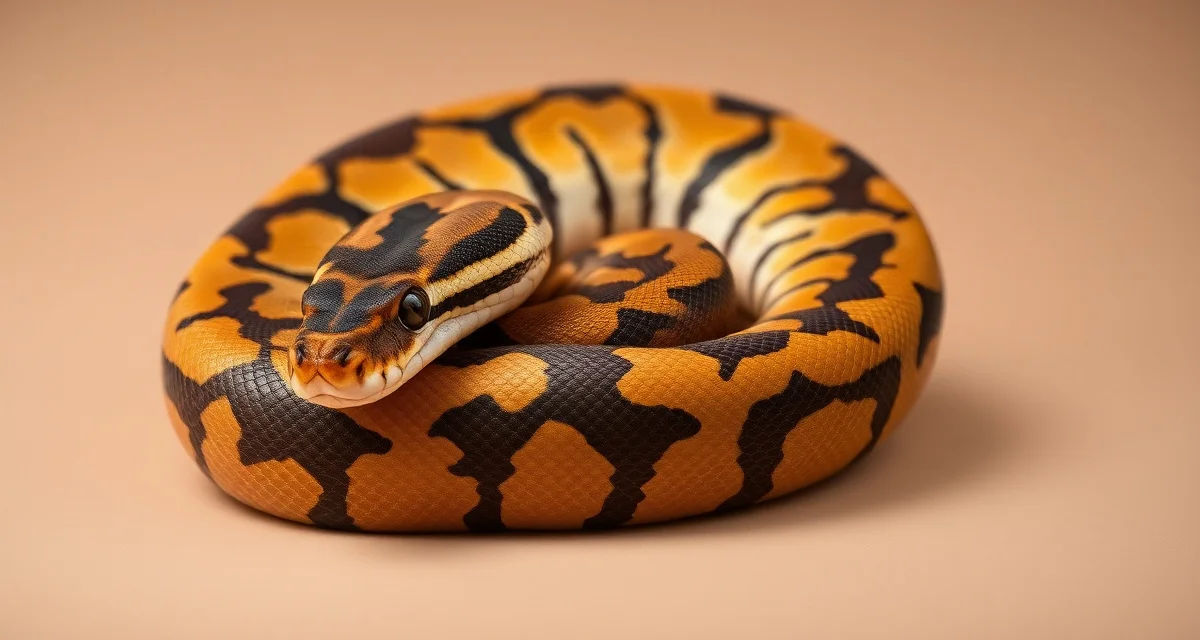
Emerging Ball Python Morphs to Watch
The ball python morph market is never static. New genes surface, new combinations get proven out, and the community's aesthetic preferences shift in ways that create real pricing opportunities for breeders who are paying attention. Knowing which morphs are building momentum, before they peak, is the difference between getting in early and chasing an already-crowded market.
TL;DR
- Ball python breeding operations require systematic record-keeping from pre-season preparation through end-of-season sales.
- Females at 1,200-1,500g or more are the target weight before introducing them to a breeding male.
- Ovulation detection is the key event that anchors pre-lay shed and lay date calculations.
- Clutch profitability guide depends on understanding actual cost basis per animal, not just gross sale revenue.
- Well-documented animals with complete feeding histories and clear genetic records consistently sell faster and at higher prices.
This guide covers the structural patterns that drive new morph emergence, the factors to evaluate when deciding whether to invest in an emerging gene, and the morphs and combinations generating the most breeder interest in the current market.
How Morphs Gain Market Traction
New morphs don't emerge fully formed. They follow a recognizable pattern:
Discovery phase. A breeder acquires or produces an unusual animal and begins the proving process through test pairings. This phase is largely private, the gene may exist for two to four years before being publicly announced.
Introduction phase. The morph is announced, usually through social media or a major reptile event. Initial prices are typically high due to extreme scarcity. A handful of breeders acquire foundation animals and begin building their own programs.
Expansion phase. More breeders produce the morph. Prices begin to normalize from initial peaks. Interest is high and visibility grows on social media and MorphMarket.
Establishment phase. The morph becomes widely produced. Prices stabilize at a level reflecting production cost plus market demand. Combos incorporating the gene begin to appear and command premiums.
Saturation phase. If the gene is widely accessible and doesn't require notable proving work, prices compress toward commodity levels. Value increasingly lives in combos rather than single-gene animals.
The best time to invest in a new morph, from a business perspective, is late in the introduction phase or early in the expansion phase, after the gene is proven but before the market is saturated with producers. The challenge is that this window is often short, and it requires capital investment when prices are still high.
Factors to Evaluate in an Emerging Morph
Not every new morph is worth investing in. Before committing capital to an emerging gene, evaluate it against these criteria:
Visual impact. Does the morph look dramatically different from existing morphs? Animals that photograph strikingly, high contrast, unusual coloration, pattern that's obviously different from normal, generate more sustained buyer interest than morphs with subtle effects.
Combo potential. Does the new gene enhance or interact interestingly with established popular morphs? Genes that stack well with existing high-demand morphs (Clown, Pied, BEL complex) have better long-term value than isolated novelties.
Proving status. Is the gene fully proven with documented ratios, or is there still uncertainty about the inheritance pattern? Investing in a gene before it's fully proven carries real risk. A morph claimed to be co-dominant that later turns out to be complex polygenic isn't the investment you thought you were making.
Supply trajectory. How many breeders already have foundation animals? If 20 major producers are already working the gene, the expansion phase will be short. If only 2-3 breeders have founding animals, there's more runway before the market saturates.
Price-to-cost ratio. At current market prices, does the investment make sense given the time to produce your first generation of combo animals? A gene that requires 3 years to work into your program and where prices have already dropped notably may not pencil out.
Welfare considerations. Some morphs carry genetic welfare concerns (neurological wobble, feeding issues in super forms). The community's growing attention to welfare has created meaningful reputational risk for breeders working with ethically controversial genes.
Current Trends in Morph Development
Unusual Pattern genetics guide
The market for pattern-unusual morphs (heavily reduced, head-stamp variations, unusual dorsal patterning) remains strong. Genes that produce dramatically reduced lateral pattern while maintaining clean dorsal banding, or that create unusual "painted" head markings, consistently attract collector interest. These aren't new from a genetics standpoint, but combinations incorporating these effects in new ways are regularly emerging.
Color-Enhancing Recessives
Recessives that dramatically shift color expression continue to generate excitement. Morphs that reduce brown and black pigment in ways that emphasize reds, oranges, and yellows interact well with the currently popular bright-color aesthetic driven by social media. Combinations of color-enhancing genes from different loci create animals that look genuinely novel even when the individual genes are established.
Complex Super Forms
As the community has accumulated more allelic genes at known loci, producing animals that are homozygous for multiple allelic genes or that combine super forms from different loci creates visual animals that don't look like anything previously produced. Some of these combinations are proving to have strong market demand with limited supply because producing them requires specific genetic combinations that only a few breeders have built.
"Clean" High-Expression Animals
There's growing collector interest in animals that express a morph in an unusually pure or extreme form, heavy pied animals with 90%+ white, very dark or very light expressions of pattern-reduced genes, unusually bright or saturated color in morphs where expression typically varies. These aren't new morph genes, but the best-expression animals within established morphs command notable premiums over typical examples of the same gene.
Recessive Combo Completions
The ball python community has been building toward complex recessive combos for years. As more breeders have accumulated double and triple het animals, the production of complex combinations like Super Pastel Clown Pied or Banana Pied Clown becomes more achievable. These combinations were theoretically possible for years but practically rare. Each year, more breeders have the genetic foundation to produce them, creating a steady flow of high-value complex combo animals that consistently attract serious buyers.
Tracking Your Emerging Morph Investment
Investing in an emerging morph is a multi-year project. The initial purchase of foundation animals, the breeding program through multiple seasons, the proving process, and finally the production of combo animals all need to be tracked against a financial baseline.
The HatchLedger platform connects your animal acquisition records to your clutch outcomes and sales data, giving you a way to track the total investment in a specific morph project against its eventual returns. Breeders using integrated software report 30% less time on administrative tasks because this kind of multi-season project tracking is built into the system rather than requiring custom spreadsheet construction.
For pairing planning as you develop an emerging morph project, the ball python morph calculator lets you model expected genetic outcomes across generations, which is especially useful when you're working a new gene into existing combo animals and need to understand what offspring to expect.
The Community Intelligence Advantage
The best information about emerging morphs comes from active community participation. The Ball Python genetics community on platforms like MorphMarket's genetics forum, dedicated Facebook groups, and the Reddit ball python communities share information about new gene discoveries, proving results, and pricing trends faster than any formal publication.
Building relationships with other serious breeders, particularly those focused on genetics research and new morph development, gives you early access to information about what's coming before it becomes widely public. This community intelligence is a legitimate competitive advantage in a market where timing matters.
Frequently Asked Questions
What is the best approach to emerging ball python morphs 2025?
Evaluate new morphs against visual impact, combo potential, supply trajectory, and welfare considerations before investing. The best entry point is typically early in the expansion phase, after a gene is proven but before the market has many producers. Track your investment through all stages from acquisition to first-generation combo production, and participate actively in the genetics community to stay informed about what's coming.
How do professional breeders handle emerging ball python morphs 2025?
Professional breeders approach emerging morphs as capital allocation decisions, not just genetic excitement. They evaluate the total cost of building a program around a new gene, the timeline to producing marketable combo animals, and the likely market trajectory before committing. They also maintain strong community connections to get early information about new gene discoveries and proving progress, and they use morph calculators to model how new genes will interact with their existing collection genetics.
What records should every reptile breeder maintain per animal?
At minimum: acquisition date and source, morph and genetic documentation, feeding log, weight history, any veterinary treatments, and breeding history including pairing dates, clutch of origin for captive-bred animals, and offspring records. These records serve your own management, buyer documentation, regulatory compliance, and long-term genetic tracking.
How should reptile breeders document genetics for buyers?
A complete genetic record for sale includes the animal's visual morph name, confirmed het genes and their basis (parentage documentation or proven-out production), possible het genes with probability percentages, hatch date, and parent morph information. Including clutch-of-origin records lets buyers independently verify the claims.
Sources
- USARK (United States Association of Reptile Keepers)
- Association of Reptilian and Amphibian Veterinarians (ARAV)
- World of Ball Pythons (WoBP genetics reference database)
- MorphMarket (reptile industry marketplace)
- Reptiles Magazine (Bowtie Inc.)
Get Started with HatchLedger
Every part of a ball python breeding operation -- from pairing records to clutch documentation to financial tracking -- works better when the data is connected rather than scattered across notebooks and spreadsheets. HatchLedger is built for exactly that. Try it free with up to 20 animals.