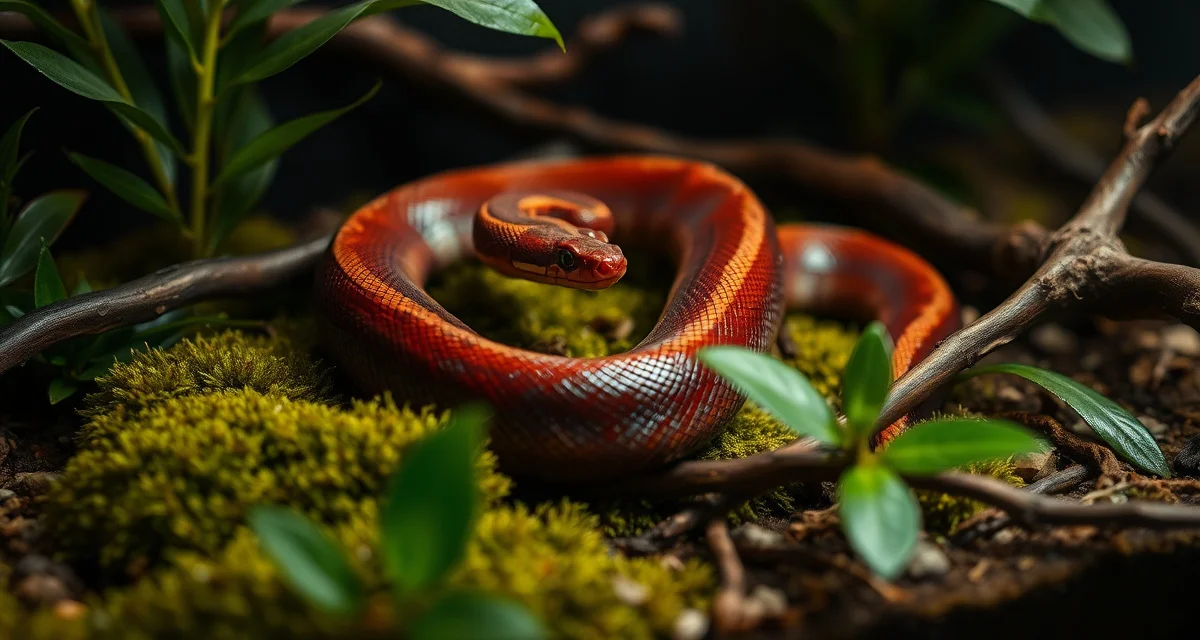
Blood Python Husbandry for Breeders: Complete Breeder Guide
By HatchLedger Editorial Team · Published 2025-05-04 · Updated Mar 13, 2026
Blood python husbandry has evolved considerably as the species has become better understood in captivity. Earlier approaches that treated blood pythons like large, hot-climate ball pythons produced animals that were perpetually stressed, fed poorly, and died prematurely. Modern husbandry that aligns with the species' actual ecology -- humid tropical lowlands, moderate temperatures, plenty of cover -- produces much better results. Breeders using integrated software report 30% less time on administrative tasks, freeing up time for the species-specific husbandry attention that blood pythons need.
TL;DR
- Blood pythons require a cool ambient of 78-82F and a warm side of 88-92F -- significantly cooler than many keepers expect, and keeping them too warm causes stress and reduced feeding.
- Target 75-85% humidity at all times; inadequate humidity leads to retained sheds, skin problems, and immune suppression.
- Obesity is the leading husbandry mistake: adult blood pythons should be fed every 14-21 days, not every 7 days, regardless of how eagerly they respond to food.
- A healthy blood python has a visible and palpable spine with no fat deposits accumulating at the tail base or mid-body -- annual weight tracking catches trends before they become problems.
- Front-opening enclosures with multiple hides and low indirect lighting reduce the defensive stress responses that make blood pythons harder to work with and breed.
- Connecting weight history and feeding frequency records in software like HatchLedger lets breeders make proactive adjustments before obesity or health issues develop.
Temperature Requirements
Blood pythons come from the humid lowlands of Sumatra, peninsular Malaysia, and nearby islands. Their temperature preferences are somewhat cooler than many people expect. The warm side should reach 88-92F, but the ambient cool side should be 78-82F -- warmer than many keepers maintain, but significantly cooler than the warm side.
Blood pythons that are kept too warm (ambient temperatures consistently above 85F) often show heat stress, reduced feeding, and increased defensive behavior. Providing a genuine cool zone at 78-80F allows animals to thermoregulate properly and reduces stress.
Overhead heat sources (ceramic heat emitters, basking lamps) or radiant heat panels work well for blood python enclosures. UTH alone may not provide adequate warmth for the ambient air in the enclosure.
Humidity
High humidity is non-negotiable for blood pythons. Target 75-85% in the enclosure. Inadequate humidity causes retained sheds, skin health problems, and general stress-related immune suppression. Use substrate with good moisture retention (cypress mulch, coco fiber) and provide a humid hide on the cool side.
Check and refresh water dishes frequently. Blood pythons often soak before shedding, and a dirty or depleted water dish at this critical time causes problems. Large water dishes that the animal can fully enter are appropriate for adults.
Feeding Protocol: Avoiding Obesity
This is the most important husbandry point specific to blood pythons. These animals have a very efficient metabolism and a strong food drive that leads many keepers to overfeed them. A blood python that eats readily every 7 days and shows enthusiastic food response is not a healthy animal -- it's an animal on a path to obesity.
Adult blood pythons generally need feeding every 14-21 days on appropriately-sized prey. Large females may need to eat even less frequently. Every animal is different, but the general principle is: feed to maintain healthy body condition, not to satisfy the animal's food drive.
Regularly assess body condition. A healthy blood python has a visible and palpable spine, smooth rounded body profile, and no obvious fat deposits accumulating around the base of the tail or in the mid-body region. Annual weight tracking shows you trends before they become problems.
Enclosure Design
Blood pythons are largely terrestrial and don't climb. They need floor space more than vertical space. A 4'x2'x2' enclosure is appropriate for a breeding adult female. Provide multiple hides -- blood pythons that feel insecure are more defensive and feed less reliably.
Front-opening enclosures reduce the overhead-approach stress response that can make blood pythons more defensive. Keep lighting low or use indirect light rather than bright overhead lighting.
HatchLedger tracks feeding frequency, weight, and health observations for each blood python, helping you manage the obesity risk proactively.
HatchLedger connects husbandry records to breeding outcomes so you can evaluate whether specific husbandry practices correlate with better reproductive performance.
Frequently Asked Questions
What is the best approach to blood python husbandry for breeders?
Maintain high humidity (75-85%), warm-side access at 88-92F with cool ambient at 78-82F, and multiple secure hides. Feed adults every 14-21 days on appropriately-sized prey -- don't feed to appetite frequency. Monitor body weight regularly and adjust feeding to maintain healthy condition without obesity. Use front-opening enclosures and low-light conditions to reduce defensive stress responses. Log all feeding, weight, and health observations to detect condition changes early.
How do professional breeders handle blood python husbandry?
Professional blood python breeders have internalized the obesity prevention approach because they've seen what overfeeding does to breeding performance and long-term health. They track weight consistently, adjust feeding proactively when condition changes, and maintain the high humidity that supports the species' health and breeding success. They also provide enclosures that meet the species' need for security and cover, understanding that a secure blood python is a calmer, better-feeding, more productive breeding animal.
What software helps manage blood python husbandry records?
HatchLedger provides individual animal records where weight history, feeding logs, and health observations all connect. The weight trending data is particularly valuable for blood python obesity prevention -- you can see at a glance whether a specific animal's weight is stable or climbing. Combined with feeding frequency records, you have the data needed to make informed adjustments before health problems develop.
How do I know if my blood python is too heavy?
The spine and ribs should be visible and palpable when you run your hand along the animal's back. Fat deposits that accumulate at the base of the tail or create a noticeably rounded, firm mid-body profile are early warning signs of obesity. Comparing current weight against a consistent historical log is more reliable than a single assessment, since gradual weight gain is easy to miss without data.
Can blood pythons be bred successfully in smaller enclosures?
A 4'x2'x2' enclosure is the practical minimum for a breeding adult female, and larger is better for animals that will be conditioned for breeding. Females that are cramped or feel insecure tend to feed less reliably and may have difficulty completing the pre-lay weight gain needed for successful egg production. Enclosure size also affects the keeper's ability to create a meaningful temperature gradient between the warm and cool sides.
How does humidity management change during breeding conditioning?
Blood pythons don't require a dramatic humidity drop for breeding conditioning the way some species do. Maintaining the standard 75-85% range throughout the year is appropriate. What matters more during conditioning is a modest temperature reduction on the cool side -- dropping the ambient to the lower end of the 78-82F range for 8-10 weeks -- combined with careful body condition monitoring to ensure females enter the breeding period at a healthy weight rather than an obese one.
Why do blood pythons have a reputation for being defensive, and can husbandry change that?
Much of the defensive reputation comes from animals kept under poor conditions -- too warm, too bright, with inadequate hides and frequent overhead handling. Blood pythons kept at appropriate temperatures with multiple secure hides, front-opening enclosures, and low-light environments are often significantly calmer than their reputation suggests. Consistent, low-stress handling from a young age also helps, but environmental factors are the foundation.
What is Blood Python Husbandry for Breeders: Complete Breeder Guide?
Blood Python Husbandry for Breeders: Complete Breeder Guide is a comprehensive resource covering the species-specific care requirements that blood pythons need to thrive in captivity. It addresses the most common keeper mistakes—incorrect temperatures, low humidity, and overfeeding—and provides evidence-based guidance on enclosure setup, feeding schedules, weight monitoring, and breeding management to help breeders raise healthier animals and maintain more productive collections.
How much does Blood Python Husbandry for Breeders: Complete Breeder Guide cost?
The Blood Python Husbandry for Breeders: Complete Breeder Guide is a free educational article published on HatchLedger. There is no purchase required to access the content. HatchLedger does offer reptile breeding management software separately, which breeders can use alongside the guide to track feeding, weights, sheds, and breeding records for their blood python collections.
How does Blood Python Husbandry for Breeders: Complete Breeder Guide work?
The guide works by breaking down blood python care into clear, actionable parameters grounded in the species' natural ecology. It covers ambient temperatures of 78–82°F, warm side targets of 88–92°F, humidity between 75–85%, and adult feeding intervals of every 14–21 days. Breeders can apply these standards directly to their enclosure setups and use weight and body condition benchmarks to monitor animal health over time.
What are the benefits of Blood Python Husbandry for Breeders: Complete Breeder Guide?
Following this guide helps breeders avoid the most costly blood python husbandry errors: overheating, underhumidifying, and overfeeding. Animals kept at correct parameters feed more consistently, shed cleanly, and maintain healthy body condition. Long-term weight tracking catches obesity trends early, reducing health complications. Breeders who pair sound husbandry with management software report spending 30% less time on administrative tasks, leaving more attention for hands-on animal care.
Related Articles
Sources
- World of Ball Pythons and Python Regius Community Resources, reptile husbandry reference publications
- Association of Reptilian and Amphibian Veterinarians (ARAV), clinical guidelines and species care literature
- University of Florida IFAS Extension, exotic animal husbandry and nutrition resources
- Reptiles Magazine, species-specific husbandry and breeder practice documentation
- USARK (United States Association of Reptile Keepers), captive care and breeder best practices resources
Get Started with HatchLedger
Blood python breeding demands close attention to weight trends, feeding intervals, and body condition over months and years -- the kind of detail that's nearly impossible to manage reliably without organized records. HatchLedger gives you individual animal profiles that connect weight history, feeding logs, and health notes in one place, so you can catch an upward weight trend or a skipped feeding before it becomes a real problem. Start your free trial and see how much clearer your breeding operation looks when the data is all in one place.