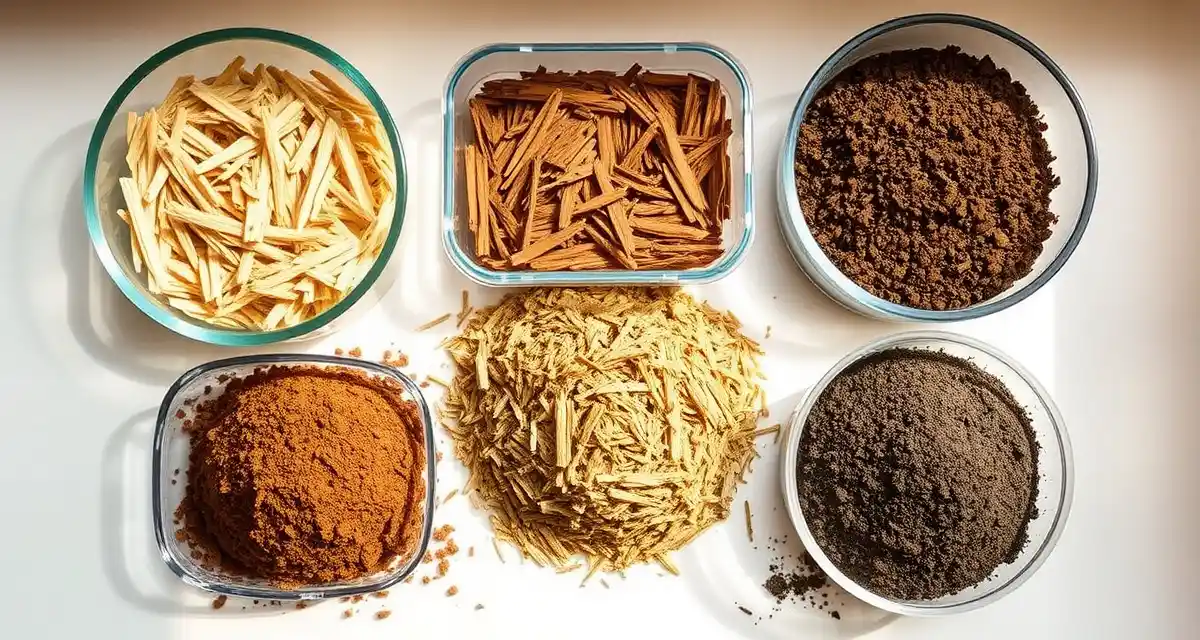
Reptile Substrate Guide: Choosing What Goes Under Your Animals
By HatchLedger Editorial Team · Published 2025-02-06 · Updated Mar 13, 2026
Substrate is one of the more contested topics in reptile keeping, partly because there are genuinely good options for most species, and partly because keeper communities develop strong preferences that sometimes outlast the evidence behind them. This guide tries to cut through the noise and focus on what actually works for the species most commonly kept in breeding operations.
Why Substrate Selection Matters
Substrate serves several functions. It provides a surface for animals to move on and, for burrowing species, to dig in. It affects humidity levels, which directly impacts respiratory health and shedding quality. It determines how easy cleanup is and how often full substrate changes are necessary. And for breeders tracking costs, substrate is a recurring expense worth optimizing.
A substrate that maintains the wrong humidity level, that harbors bacteria, or that creates impaction risk if ingested is a husbandry problem that affects health and breeding performance.
Ball Pythons
Ball pythons are among the most substrate-flexible snakes in captivity. Their primary need is a substrate that holds humidity well without staying wet, since standing moisture leads to scale rot and respiratory infections.
Popular options:
Coco coir (coconut fiber): Widely used, affordable, holds humidity well, easy to spot-clean, safe if ingested in small amounts. Available compressed in brick form; rehydrates easily. Can be used alone or mixed.
Cypress mulch: Excellent humidity retention, natural-looking, holds up well between full changes. Avoid products treated with pesticides or additives. Forest floor cypress mulch specifically labeled for reptiles is the safe choice.
Coco coir/topsoil mix: Mixing coco coir with organic topsoil (no fertilizers, pesticides, or additives) creates a substrate that mimics the humid soil environments ball pythons come from. Holds humidity very well, allows natural burrowing behavior. Higher maintenance than some options because it needs to stay evenly moist.
Paper-based substrates: Paper towels, newspaper, or Uboxes (packing paper). Used in many rack systems for convenience. Doesn't hold humidity on its own, but for rack systems with tight-fitting lids, the enclosure itself retains humidity. Easy to clean, allows easy visual inspection.
For breeding operations with large numbers of animals in racks, paper-based substrates offer the lowest per-animal cost and fastest cleanup. For display animals or smaller collections where naturalistic appearance matters, organic substrates are preferable.
Blood Pythons
Blood pythons need similar humidity to ball pythons but benefit from deeper substrate because they are active burrowers. They prefer to partially bury themselves.
Cypress mulch or a coco coir/topsoil mix with a depth of 4-6 inches works well. The substrate should feel slightly damp when squeezed, not dry, but not wet enough to drip. Scale rot is a common problem in blood pythons kept in enclosures that are either too wet or too dry, so monitoring is important.
Corn Snakes, King Snakes, and Rat Snakes
These North American colubrids are more tolerant of lower humidity than tropical species, though hatchlings and animals in shed benefit from slightly elevated humidity.
Aspen shavings: The classic choice for many colubrids. Holds its shape for burrowing, relatively easy to spot-clean, widely available. Does not hold humidity well, which is appropriate for most North American colubrid species. Does mold if it gets wet, so keep water dishes away from the substrate.
Cypress mulch: Also works well for colubrids, holds slightly more humidity, appropriate for species from more humid environments (corn snakes from southeastern US).
Paper-based: Works in rack systems as above.
Avoid cedar and pine shavings for all snakes. The aromatic oils are toxic to reptiles.
Geckos
Substrate for geckos varies significantly by species origin.
Crested geckos, gargoyle geckos (humid forest species): Coco coir, tropical substrate mixes, and bioactive setups using live plants and appropriate soil mixes. These species need high humidity and substrates that support it.
Leopard geckos and fat-tail geckos (arid species): These species need drier conditions. Paper towels or tile are common in breeding rack setups. For display enclosures, reptile carpet or dry mineral-based substrates work, though impaction risk with loose substrates is a consideration if animals are feeding on the substrate surface.
Monitors and Tegus
Large monitors and tegus benefit from deep substrate that allows burrowing. A coco coir and topsoil mix to 6+ inches is appropriate for many species. The substrate should be deep enough for the animal to fully bury itself if it chooses.
Bearded Dragons
Bearded dragons are often kept on tile, slate, or paper in breeding situations because loose substrates create feeding risk: loose particle substrates can be ingested during feeding and cause impaction, especially in juveniles.
Reptile carpet, tile, or paper-based substrates are safest for bearded dragons. For display enclosures, some keepers use play sand or commercial bearded dragon substrate successfully, but impaction risk in juveniles is real enough that most experienced breeders avoid loose substrates for juveniles entirely.
Substrate in Rack Systems
In rack systems, the choice usually comes down to a few practical options:
- Paper towels: Cheapest, easiest, works fine with tight-fitting lids that retain humidity
- Newspaper: Same as above, slightly more durable
- Shelf liner or reptile carpet cut to tub size: Washable, reusable, adds some grip
For tropical species in racks, adding a small damp hide (a hide box with damp sphagnum moss inside) supplements the humidity the substrate provides.
Substrate and Record Keeping
Your reptile husbandry record keeping should note what substrate your animals are on, because substrate changes can explain behavioral changes, shedding issues, or humidity problems. If you switch a collection from aspen to cypress and animals start shedding better (or worse), you want that event documented.
The right substrate for your animals depends on their species needs, your enclosure setup, and your operational workflow. Choose the option that works for the animal first, your setup second, and your convenience third. Most serious breeders end up with a consistent choice for each species they work with and don't change it unless there's a good reason to.
FAQ
What is Reptile Substrate Guide: Choosing What Goes Under Your Animals?
The Reptile Substrate Guide on HatchLedger is a comprehensive resource covering how to choose the right bedding material for reptile enclosures. It explains how substrate affects humidity, hygiene, burrowing behavior, and overall animal health, with species-specific recommendations aimed at reptile keepers and breeders managing breeding operations.
How much does Reptile Substrate Guide: Choosing What Goes Under Your Animals cost?
The guide is free to read on HatchLedger. The substrates discussed vary in cost — options like coco coir and paper towels are budget-friendly, while bioactive setups using layered soil mixes cost more upfront but can reduce long-term maintenance. The guide helps breeders weigh cost against performance for their specific setup.
How does Reptile Substrate Guide: Choosing What Goes Under Your Animals work?
The guide walks through substrate functions — humidity regulation, surface traction, burrowing support, and cleanup ease — then evaluates popular options for commonly bred species like ball pythons. It compares materials based on moisture retention, bacteria risk, impaction potential, and cost, helping keepers make informed decisions rather than following outdated community preferences.
What are the benefits of Reptile Substrate Guide: Choosing What Goes Under Your Animals?
Using the right substrate improves humidity stability, which supports healthy sheds and reduces respiratory infections. It lowers bacterial load in enclosures, reduces impaction risk from ingestion, and simplifies routine cleaning. For breeders, optimizing substrate also cuts recurring costs and reduces time spent on maintenance across multiple animals.
Who needs Reptile Substrate Guide: Choosing What Goes Under Your Animals?
This guide is most useful for reptile breeders managing multiple animals, keepers setting up new enclosures, and hobbyists troubleshooting humidity or health issues. It's particularly relevant for ball python breeders and anyone keeping species with specific moisture, burrowing, or hygiene requirements.
How long does Reptile Substrate Guide: Choosing What Goes Under Your Animals take?
Reading the guide takes around 5–10 minutes. Choosing and switching substrate in an actual enclosure takes longer — sourcing materials, preparing the enclosure, and monitoring humidity stability after the change typically spans a few days to ensure conditions are correct before reintroducing animals.
What should I look for when choosing Reptile Substrate Guide: Choosing What Goes Under Your Animals?
Look for substrates that match your species' humidity needs without staying wet, resist bacterial growth, pose low ingestion risk, and are easy to spot-clean or fully replace. For breeders, also factor in cost per enclosure, bulk availability, and how often full changes are realistically needed given your animal load.
Is Reptile Substrate Guide: Choosing What Goes Under Your Animals worth it?
Yes — substrate is a foundational husbandry variable that directly affects animal health and breeding performance. Getting it wrong leads to scale rot, respiratory infections, poor sheds, and impaction risk. The guide helps you cut through keeper debate and choose based on evidence, making it a practical reference for anyone serious about reptile care.