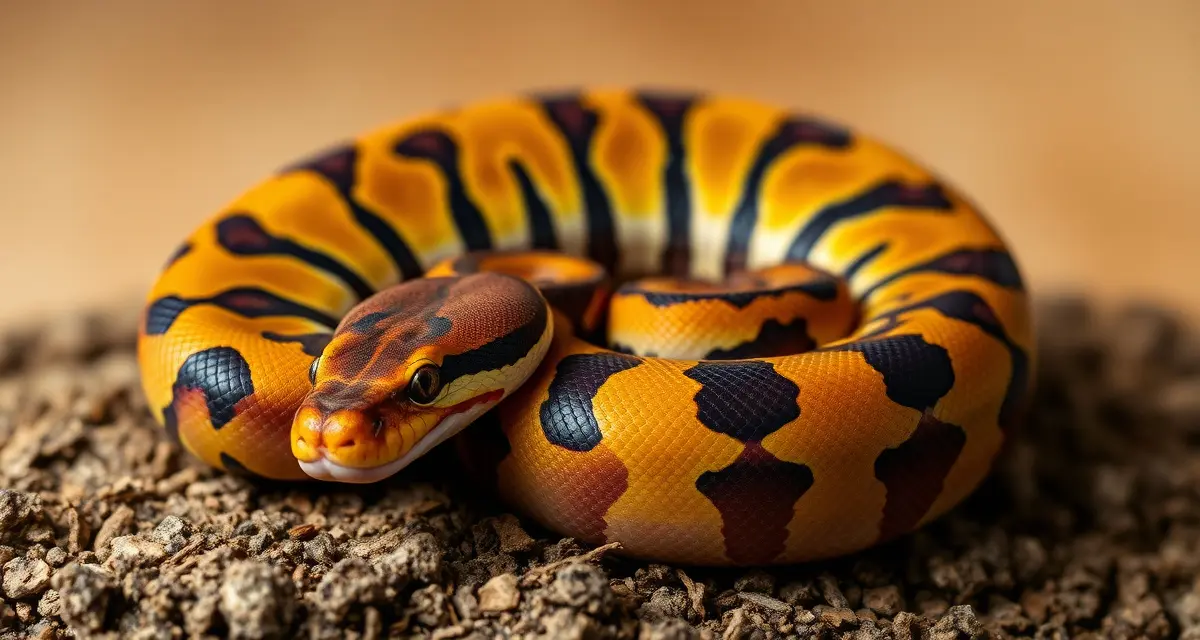
What Is a Super Form Ball Python FAQ
Super forms are some of the most visually striking animals in the ball python hobby. Understanding how they're produced and what the term actually means is essential for any breeder working with co-dominant morphs.
TL;DR
- A super form ball python carries two copies of a co-dominant gene (one from each parent), making it homozygous for that trait.
- Pairing two single-copy co-doms produces 25% supers, 50% single-copy animals, and 25% normals.
- Some super forms are lethal or non-viable, Spider and Genetic Stripe supers are documented examples.
- Blue-Eyed Leucistics (BELs) are super forms of the Blue Eye complex (Mojave, Lesser, Butter, Phantom) and are consistently high-demand animals.
- Super forms paired with normals guarantee 100% single-copy offspring, making them highly valuable breeding animals.
- Accurate genetic documentation of super status, distinct from single-copy animals, is critical for buyer transparency and future pairing planning.
What Is a Super Form Ball Python?
A super form ball python is an animal that carries two copies of a co-dominant gene, one inherited from each parent. Co-dominant genes are visible in a single copy (producing a characteristic visual change from normal), but when an animal carries two copies, the result is often a dramatically different appearance.
The "super" in super form simply means homozygous for that co-dominant trait.
How Do You Produce a Super Form?
You pair two animals that each carry a single copy of the same co-dominant gene. The expected outcomes from two single-copy co-doms are:
- 25% normal (no copies)
- 50% single-copy co-dom (like the parents)
- 25% super form (two copies)
For example, pairing a Pastel x Pastel produces 25% Super Pastels, 50% Pastels, and 25% normals. You can also produce supers by pairing a single-copy animal with an existing super, which gives you 50% supers and 50% single-copy animals.
What Are Some Examples of Super Forms?
Super Pastel: A dramatically brighter, more washed-out animal than a standard Pastel. Often very clean yellow with reduced patterning.
Blue-Eyed Leucistic (BEL): This is the super form of several Blue Eye complex co-doms, including Mojave, Lesser, Butter, and Phantom. Stunning white to creamy white snakes with blue eyes.
Super Enchi: More reduced patterning and often more vibrant base color than a standard Enchi.
Super Spider: Lethal in ball pythons. Two copies of the Spider gene result in death in ovo, meaning no living super spiders exist. This is one reason the Spider morph is ethically controversial in the hobby.
Super Cinnamon / Super Black Pastel: Both produce black animals. Super Cinnamons and Super Black Pastels are visually similar, both appearing nearly solid black or very dark.
Are All Super Forms Lethal or Problem-Inducing?
No. Most super forms are healthy, viable animals. The Spider super (mentioned above) and a few others are exceptions. The Genetic Stripe super form, for example, is also reported to be non-viable.
Breeders working with any co-dominant morph should research whether that specific gene has documented super form issues before building a breeding program around producing supers.
Are Super Forms Worth More?
Generally, yes. Super forms are produced at a 25% rate from double co-dom pairings, making them less common than single-copy animals. Their often dramatic appearance commands a premium in the market.
Some supers, like BELs, are consistently high-demand animals because of their striking all-white appearance. Others are more modest premiums over the single-copy version.
Can You Use a Super Form as a Breeder?
Yes. A super form paired with a normal produces 100% single-copy offspring of that gene. Pairing a super with a single-copy produces 50% supers and 50% single-copy animals. Supers are valuable breeding animals because every offspring they produce carries at least one copy of the gene.
When you're planning pairings that might produce supers, the ball python morph calculator shows you all possible outcomes and their expected frequencies before you commit.
How Do You Track Super Forms in Your Records?
Super forms need to be clearly labeled in your genetics records, distinct from single-copy animals. A Super Pastel and a regular Pastel are visually different but the genetic documentation matters for buyers and future breeding planning.
The ball python breeding hub connects to your HatchLedger animal records, where you can document super status, parentage confirming how the super was produced, and the animal's full genetics profile.
Frequently Asked Questions
What is a super form ball python?
A super form is a ball python that carries two copies of a co-dominant gene, one from each parent. The double-copy version often appears dramatically different from the single-copy version of the same gene.
How do professional breeders handle super form ball python production?
They understand which pairings produce supers, research any health concerns associated with specific super forms before building projects around them, and accurately document super status in their animal records for transparency with buyers.
What software helps manage super form ball python records?
HatchLedger tracks full genetics for every animal including super form status, parentage, and confirmed genetics, making it easy to communicate accurate genetic information to buyers and plan future pairings.
Can a super form ball python visually pass for a single-copy animal?
In most cases, no. Super forms typically display a noticeably different appearance from their single-copy counterparts, Super Pastels are far more washed out than standard Pastels, for example. However, accurate genetic records and documented parentage are still essential, since visual identification alone is not a substitute for knowing how an animal was produced.
How do I know if a co-dominant morph I'm working with has a lethal super form?
Research the specific gene before building a project around it. The Spider and Genetic Stripe super forms are the most documented lethal or non-viable examples in ball pythons. Reputable morph databases, breeder communities, and published genetics resources will note any known lethality or viability issues associated with a gene's super form.
Does super form status affect how I should price animals from a clutch?
Yes. Super forms typically command a higher price than single-copy animals from the same clutch due to their lower production rate (25% from double co-dom pairings) and often more dramatic appearance. Clearly labeling super status in your sales listings and records protects both you and the buyer, and supports accurate pricing across the clutch.
Sources
- World of Ball Pythons (morphmarket.com/world-of-ball-pythons), morph genetics reference database widely used by ball python breeders
- Ball Python Genetics, REPTILES Magazine, industry publication covering co-dominant and recessive morph inheritance
- University of California Davis School of Veterinary Medicine, reptile genetics and heredity educational resources
- United States Association of Reptile Keepers (USARK), reptile breeding standards and husbandry guidance
- International Herpetological Society, published resources on captive reptile breeding genetics
Get Started with HatchLedger
Tracking super form status, parentage, and full genetics for every animal in your collection is exactly what HatchLedger is built for. Whether you're producing BELs, Super Pastels, or working through a multi-gene project, your records stay organized and ready to share with buyers. Start your free trial and see how much cleaner your breeding season looks when every animal's genetics are documented in one place.