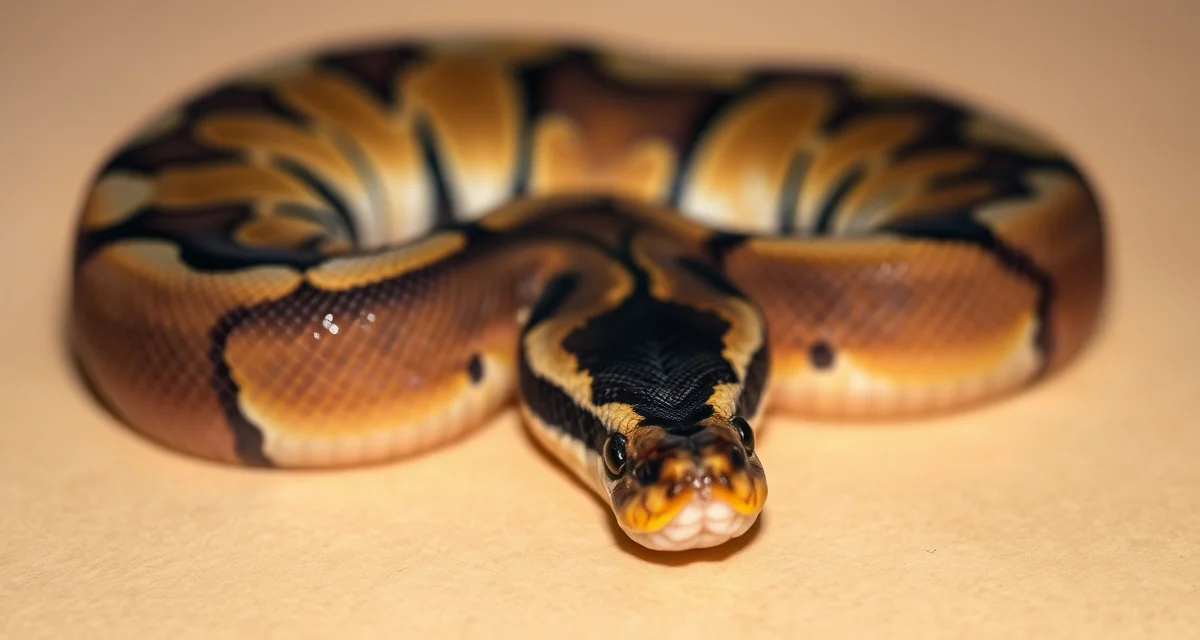
Ball Python Genetics Records: Tracking Morph and Het Data
By HatchLedger Editorial Team · Published 2025-05-19 · Updated Mar 13, 2026
Genetics records are the foundation of a credible ball python breeding program. Every morph identification, every het status, and every parental lineage needs to be documented clearly and accurately. Errors in genetics records cost money, damage reputations, and in some cases produce animals with undisclosed traits that buyers didn't agree to.
The Components of a Genetics Record
Expressed Morphs
The most basic genetics entry is what you can see. Every animal has an expressed phenotype: the combination of visual traits it displays. Document each trait separately.
For example, an animal might be:
- Pastel (codominant, one copy, visible)
- Fire (codominant, one copy, visible)
Together these produce a Pastel Fire. Document the individual genes, not just the combo name. Combo names change as new morphs are discovered and existing morphs are reclassified. The individual gene list is permanent.
Het Status
Het status records which recessive genes an animal carries without expressing. Het status should be documented at three levels:
Confirmed het: The het status has been proven through offspring production or both parents are visual for the recessive. The highest confidence level. Price accordingly.
Possible het (with percentage): The animal has a calculable probability of being het based on parent genetics. A 50% possible het means one parent was het and one was normal. A 66% possible het means both parents were possible hets. Be precise about the percentage and disclose clearly in sales.
Unknown het status: The genetics of the parents are not documented. Do not claim het status that isn't documented.
Parent Records
Every self-produced animal should have parent IDs documented in its genetics record. This creates a lineage that allows het status to be verified, morph identifications to be cross-checked, and genetic contributions to be traced.
Parent records are also the evidence when buyers ask how you know an animal is het for something. "Both parents are proven het piebald, documented in my records" is a verifiable claim. "I think it's probably het" is not.
Genetic Testing
For some morphs and species, genetic testing is available. DNA testing for albino morph alleles is increasingly accessible. Visual morph identification is sometimes uncertain in complex combos. When genetic tests are run, document the result, the testing company, the date, and what was tested.
Common Documentation Mistakes
Upgrading possible to confirmed without evidence. A 50% possible het animal should not be listed as "het clown" without the percentage disclosure. This is the most common genetics documentation error and the most damaging to buyer trust.
Not documenting het status for recessives in breeding animals. If a female is het for clown and you don't document it, her offspring may carry het clown status that never gets recorded. Those hatchlings are sold as "normals" when they're actually possible het clown, which has value you're not capturing.
Losing lineage on large hatch seasons. During a busy hatch period with multiple clutches, hatchlings can get mixed up if they're not tagged and linked to their clutch record immediately. Once lineage is broken, it cannot be reconstructed accurately.
Morph misidentification. Some morphs are genuinely difficult to identify in combination. When you're not certain, document the uncertainty. "Possible Enchi" or "Enchi vs. YB" is more honest than a definitive call you're not confident in.
Working with Purchased Animals
When you purchase an animal, you're trusting the seller's genetics documentation. For expensive animals or foundation breeders for recessive projects, verify as much as possible:
- Ask for parent documentation
- Ask for photos of parents
- Ask for clutch records if the animal is self-produced by the seller
- For critical hets, consider a test breeding before committing major resources to a project based on the animal
Document the seller's representations in the animal's record. If a seller claimed an animal was het clown and it later proves out false through test breeding, you have documentation of the misrepresentation.
Genetics Records and HatchLedger
HatchLedger stores genetics records per animal with separate fields for expressed morphs, confirmed hets, and possible hets with percentages. When you record a pairing and the resulting hatchlings, genetic profiles flow from parent records to offspring records automatically, with het percentages calculated from documented parent genetics.
This eliminates the manual work of tracking which hatchlings from a het-to-het pairing are possible het versus normal, and at what percentage.
Related content: Ball Python Genetics Guide | Het Genetics Breeding Records | Proven Het Ball Pythons
Related Articles
FAQ
What is Ball Python Genetics Records: Tracking Morph and Het Data?
Ball Python Genetics Records: Tracking Morph and Het Data is a documentation practice for ball python breeders covering expressed morphs, het status, and parental lineage for every animal in a collection. It involves recording each individual gene a snake carries—both visible traits and recessive hets—so pairings can be planned accurately, offspring outcomes can be predicted, and buyers receive honest, verifiable information about the animals they purchase.
How much does Ball Python Genetics Records: Tracking Morph and Het Data cost?
There is no purchase price for genetics record-keeping itself—it is a practice, not a product. The real cost is the time invested in maintaining accurate logs and, if using dedicated software like HatchLedger, a subscription fee. The financial risk of NOT keeping records is far higher: incorrectly labeled morphs or undisclosed hets can result in lost sales, refunds, and lasting damage to your reputation as a breeder.
How does Ball Python Genetics Records: Tracking Morph and Het Data work?
Genetics records work by documenting each animal's expressed phenotype, het status (confirmed, possible, or unproven), and full parentage. When planning a pairing, you cross-reference both parents' records to calculate offspring probabilities. Each clutch produced updates the records—proving or disproving het status in offspring and refining confidence levels. Over generations, the accumulated data creates a traceable lineage for every animal in your program.
What are the benefits of Ball Python Genetics Records: Tracking Morph and Het Data?
Accurate genetics records help you price animals correctly, avoid costly pairing mistakes, and build buyer trust. Confirmed-het animals command higher prices than unproven hets. Clear morph documentation reduces disputes and returns. Long-term, detailed records let you identify which pairings produce the best results, plan multi-generation projects, and demonstrate the credibility of your breeding program to serious buyers and other breeders.
Who needs Ball Python Genetics Records: Tracking Morph and Het Data?
Any ball python breeder working with recessive or codominant morphs needs genetics records. Hobbyists keeping a few animals benefit from basic logs to avoid duplicate pairings. Commercial breeders handling dozens or hundreds of animals need structured records to track het percentages, proven pairings, and lineage across multiple seasons. Buyers of high-value morphs also benefit from reviewing a seller's records before purchasing.
How long does Ball Python Genetics Records: Tracking Morph and Het Data take?
Setting up an initial genetics record for a single animal takes five to fifteen minutes if parentage and morph data are known. Ongoing maintenance is minimal—updating records after each pairing, clutch, and sale. Building a complete, verified record for an entire collection varies by size; a focused effort over a few days can cover most small-to-mid-size programs. Proving het status through offspring takes one or more breeding seasons.
What should I look for when choosing Ball Python Genetics Records: Tracking Morph and Het Data?
Look for a system that records individual genes rather than combo names only, supports multiple het confidence levels (confirmed, possible with percentage, unproven), links offspring records back to parent records, and allows pairing outcome calculations. Cloud-based tools like HatchLedger offer searchable records and automatic probability estimates. Whatever system you use, consistency and completeness matter more than the platform itself.
Is Ball Python Genetics Records: Tracking Morph and Het Data worth it?
Yes. Genetics records directly protect the financial value of your animals and your reputation. A single undisclosed het in a sold animal—discovered by the buyer—can cost you far more in refunds and lost credibility than the entire effort of maintaining records. For breeders working with expensive recessive projects, accurate documentation is the difference between a provably valuable collection and one buyers cannot trust.
Sources
- World of Ball Pythons genetics database
- MorphMarket genetics documentation standards
- Association of Reptilian and Amphibian Veterinarians (ARAV)