Reticulated Python Hatchling Inventory Management: Complete Breeder Guide
A single reticulated python clutch can produce 40-70 hatchlings that all need to be individually identified, sex-confirmed, morph-typed, fed, weighed, and eventually sold. Managing that inventory without a system rapidly becomes chaotic. Breeders using integrated software report 30% less time on administrative tasks -- a meaningful advantage when you have 60 individual animals requiring individual attention every week.
TL;DR
- Reticulated pythons (Malayopython reticulatus) are the world's longest snake species, with breeding females commonly exceeding 10-14 feet.
- Clutch sizes average 30-60 eggs, making retics one of the most productive large constrictors in captive breeding.
- Temperature drops of 5-8 degrees Fahrenheit over 6-8 weeks typically trigger breeding behavior without the longer cooling required by temperate species.
- Incubation runs 80-90 days at 88-90 degrees Fahrenheit, longer than most python species due to egg size.
- Super dwarf and dwarf locality animals are bred specifically for smaller adult size and command significant premiums over standard retics.
Establishing Individual Records at Hatch
Create an individual record for each hatchling as soon as possible after hatch. The minimum information needed at creation is: clutch of origin, hatch date, position or ID within the clutch, and anticipated morph (based on parent genetics).
An ID system is essential. Common approaches include a combination of clutch number and individual number (e.g., "Clutch 3, Individual 14" becomes "C3-14"), or microchip numbers once animals are chipped. Whatever system you use, it needs to be unique, consistent, and linked to the individual animal's physical marker.
For hatchlings, physical marking options include small labels on the tub, colored dot stickers on the animal (temporary), or tail band markers. Permanent marking (microchip) is appropriate for animals you're holding back for breeding or for valuable animals sold to buyers who want permanent identification.
Sexing Hatchlings
Retic hatchlings can be sexed by probing or by popping. Both require practice and are most accurately done at the hatchling stage when the technique is easier on the animal than at larger sizes.
Sex confirmation should be entered in each animal's record as early as possible. Unknown sex animals are harder to market and harder to manage in terms of breeding program planning. Confirming sex at the hatchling stage is a routine procedure that saves time and reduces uncertainty later.
If you're not comfortable probing or popping retic hatchlings, an experienced breeder or reptile veterinarian can confirm sex. Don't guess and record uncertain sex information as though it's confirmed -- use an "unsexed" status that indicates work is needed.
Morph Identification and Documentation
Morph identification in hatchling retics is usually straightforward for visual morphs. Tigers and Mochinos are obvious at hatch. Genetic stripes are identifiable. Albino animals are clearly recognizable.
Het status is assigned based on parent genetics and clutch genetics math. If you have documented parent records showing both parents' morph genetics, the het probability for each hatchling can be calculated and should be recorded accurately. Mark het status as "possible het" when parentage supports a 50% chance, "visual het" doesn't exist as a category (if it's a recessive, they either show the trait or they carry it or don't), and be specific about the probability where you're assigning possible het status.
For animals from complex combination projects, some animals may not be readily identifiable at hatch. Notes on expected morph range from the parent cross should be attached to the clutch record so you can compare actual hatch outcomes to predictions.
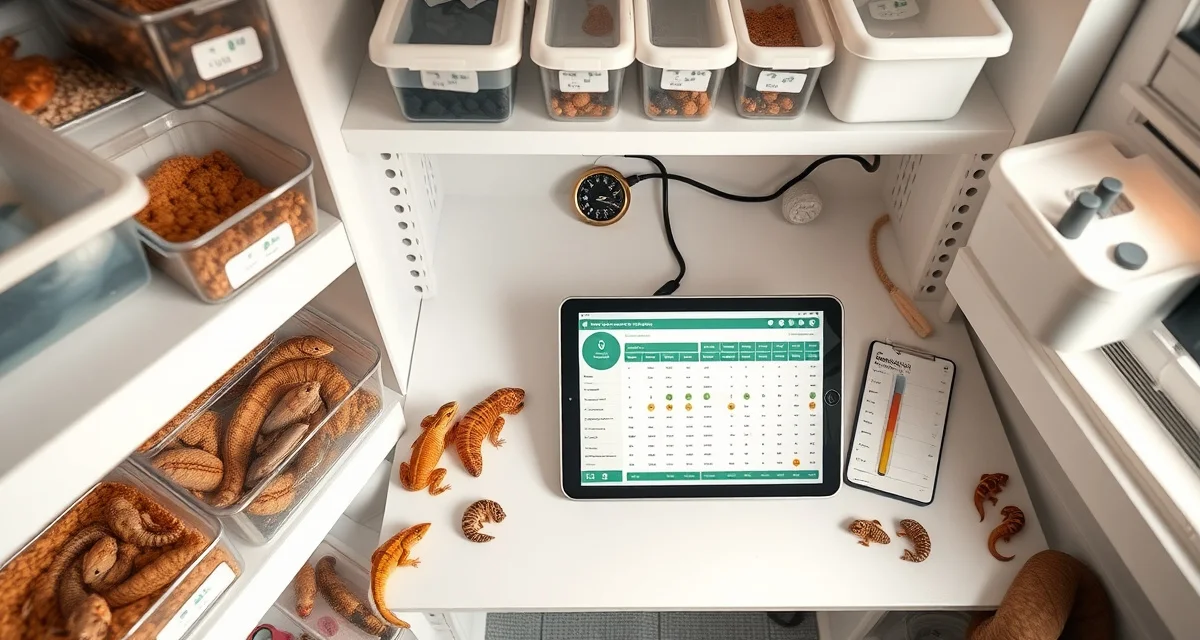
HatchLedger creates individual hatchling records linked to the parent clutch, storing morph genetics, sex, weight, and feeding history per animal.
Tracking Growth and Feeding Status
Retic hatchlings grow fast. Weight entries every 2-4 weeks through the first year provide a growth curve that identifies animals developing normally from those lagging behind their cohort.
Feeding status is the other primary tracking element. Log every feeding attempt: date, prey item, prey weight, and result (accepted or refused). An animal that refuses two or three meals in a row needs attention. An animal that's consistently eating and gaining weight on schedule is on track.
At a clutch level, comparing feeding acceptance rates and growth rates across all hatchlings from a clutch gives you useful production information. A clutch where 90% of animals are eating and growing well is a successful production. A clutch where 40% of animals are consistently refusing food has a problem worth investigating.
Managing Holdbacks and Sales Inventory
Some hatchlings will be designated as holdbacks for your breeding program. Others are for sale. Keeping these categories clearly separated in your records prevents the confusion of accidentally selling an animal you meant to keep, or holding back an animal you meant to sell.
For sales inventory, track each animal's current availability status: available, reserved (deposit taken), sold, or held. When a deposit is received, update the record immediately. This is especially important for retics, where sales typically involve buyer communication over weeks or months before pickup or shipping.
HatchLedger connects hatchling inventory to sales records and clutch P&L for complete financial tracking.
Frequently Asked Questions
What is the best approach to reticulated python hatchling inventory management?
Create an individual record for every hatchling at hatch with a consistent ID system. Confirm sex early and record it accurately. Assign morph status based on parent genetics with appropriate het probabilities. Log every feeding and weight entry by individual animal. Track holdbacks and sales inventory in separate categories. Use a system that scales -- a 60-hatchling clutch needs organized records, not a notebook that becomes illegible by week three. Connect individual records to clutch size records and sales records.
How do professional breeders handle reticulated python hatchling inventory management?
Professional retic breeders create individual records at hatch and maintain them consistently through each animal's time in their program. They confirm sex early and document morph status accurately with appropriate qualifiers for het probability. They track growth and feeding at the individual level so animals that are developing differently from their cohort are identified and addressed. They manage sales inventory status in real time so they know exactly which animals are available, reserved, and sold at any point during the selling season.
What software helps manage reticulated python hatchling inventory?
HatchLedger tracks cycling records, pairing introductions, clutch documentation, locality lineage, and sale records for reticulated python breeders. With large animals, large clutches, and locality documentation all requiring careful records, having everything in one system reduces the risk of documentation errors at sale. Free for up to 20 animals.
What is the difference between standard, dwarf, and super dwarf reticulated pythons?
Standard reticulated pythons are the full-size animals from mainland Asian populations. Dwarf retics originate from island populations (Kalatoa, Kayuadi) and typically reach 8-12 feet. Super dwarf retics from Madu and Selayer islands often cap below 8 feet. These size differences are locality-based, and crossing localities produces intermediates. Locality documentation in your records is essential for accurate representation to buyers.
What are the legal considerations for keeping and breeding reticulated pythons?
Regulations vary significantly by state and municipality. Several US states restrict or ban large constrictors, and federal regulations under the Lacey Act apply to some populations. USARK maintains current regulatory information. Before breeding retics at scale, confirm that selling and shipping animals is permitted in your jurisdiction and target markets.
Sources
- USARK (United States Association of Reptile Keepers)
- Association of Reptilian and Amphibian Veterinarians (ARAV)
- Journal of Herpetology (Society for the Study of Amphibians and Reptiles)
- CITES Appendix II (international trade documentation)
- Southeast Asian Biodiversity Society
Get Started with HatchLedger
Reticulated python breeding at any scale involves large animals, large clutches, morph and locality genetics overview, and compliance and shipping records that require an organized system to manage well. HatchLedger tracks every animal, pairing, clutch, and sale record in one place. Try it free with up to 20 animals.