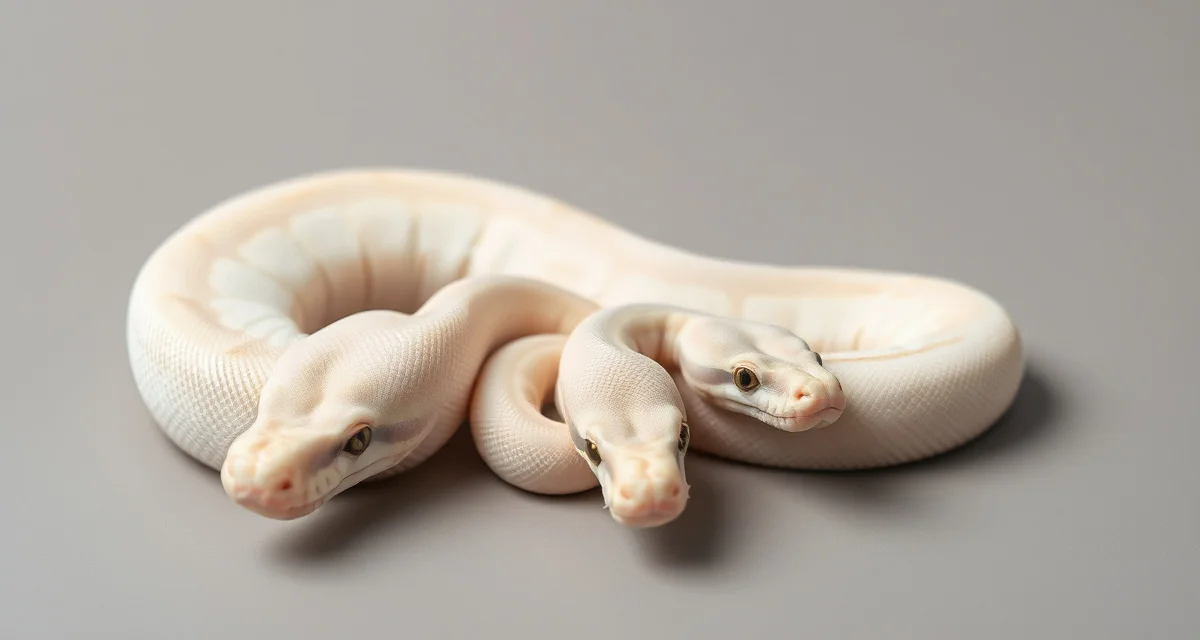
Vanilla Ball Python Breeding Pairs: All Possible Outcomes
Vanilla is a co-dominant morph known primarily for its role as a color enhancer in multi-gene combinations. On its own, the visual change from Vanilla is subtle. In combination, Vanilla contributes to some of the cleanest and most vibrant animals in the hobby.
TL;DR
- All pairing outcomes for Vanilla can be calculated before putting animals together by understanding the morph's inheritance pattern.
- Recessive genes require het x het pairings to produce visuals, with expected 25% visual odds per clutch.
- Co-dominant pairings with normal animals produce 50% co-dominant offspring; co-dominant x co-dominant produces 25% super form.
- Documenting each animal's confirmed genetic status is what makes het claims valuable to buyers in subsequent generations.
- Using a morph calculator before the season helps set realistic expectations for the number of target animals likely from each clutch.
Vanilla Genetics Overview
Vanilla is a co-dominant mutation that produces modest lightening and slight pattern alteration in single-copy form. The changes are subtle enough that some inexperienced buyers don't immediately recognize single-copy Vanilla animals as morphs without close inspection.
The super form (Super Vanilla) shows more pronounced lightening and pattern changes. Vanilla is often described as a "behind the scenes" gene because its contribution becomes most visible when paired with other morphs that it enhances notably.
Vanilla x Normal Pairings
- 50% Vanilla
- 50% Normal
Visual difference is subtle in hatchlings. Some experience with the morph helps in identification.
Vanilla x Vanilla Pairings (Super Vanilla)
- 25% Super Vanilla
- 50% Vanilla
- 25% Normal
Super Vanilla shows more clearly defined visual changes than single-copy animals.
Vanilla's Value in Combination Animals
Vanilla's real contribution becomes apparent in multi-gene combinations. The gene has a brightening and pattern-cleaning effect that enhances the expression of other morphs, particularly in combination with other co-dominants.
Vanilla x Pastel: Pastel Vanilla shows enhanced brightening compared to Pastel alone.
Vanilla x Enchi: Pattern reduction and color tone enhancement from both genes.
Vanilla x GHI: Creates contrast between Vanilla's lightening and GHI's darkening for visually interesting animals.
Vanilla x Mojave: Vanilla contributes to BEL complex pairing aesthetics.
Vanilla x Banana: Banana Vanilla shows enhanced vibrancy and some pattern alteration.
Super Vanilla Production Value
Super Vanilla paired with other morphs guarantees Vanilla in every offspring. This is useful if you're trying to introduce Vanilla quickly into a combination project.
Super Vanilla x Mojave
- 50% Vanilla Mojave
- 50% Mojave
All animals carry Mojave; half carry Vanilla. No normals produced.
Vanilla in High-End Combination Projects
Vanilla is sometimes described as one of those genes that separates a "good" combination animal from a "great" one. Whether this is fully supported by the genetics or partly by the marketing of the morph is debated in the hobby. What's not debated is that Vanilla does contribute to certain combination expressions and that buyers of complex multi-gene animals value its presence.
For breeders pursuing high-end combination animals, Vanilla is worth having in your gene pool, particularly if you're working in the pastel, enchi, or BEL complex space.
Tracking Vanilla in Your Collection
Because single-copy Vanilla can be subtle, documenting parentage carefully matters. An animal from a Vanilla parent that shows only minor visual changes still has value as a het for buyers building Vanilla combinations.
Track Vanilla status for every animal in HatchLedger. The ball python morph calculator handles multi-gene combinations involving Vanilla alongside any other morphs in your program.
Frequently Asked Questions
What are the possible outcomes from Vanilla ball python breeding pairs?
Vanilla x Normal produces 50% Vanilla and 50% Normal. Vanilla x Vanilla produces 25% Super Vanilla, 50% Vanilla, and 25% Normal. Vanilla paired with other co-dominants produces the expected 25/25/25/25 distribution of two-gene and single-gene outcomes.
How do professional breeders use Vanilla in their ball python programs?
They use Vanilla primarily as a combination enhancer rather than a featured single-gene morph, add it to multi-gene projects where its brightening contribution improves the visual quality of complex animals, and document Vanilla status carefully since its single-copy appearance can be subtle.
What software helps manage Vanilla ball python genetics tracking?
HatchLedger is purpose-built for reptile breeders, connecting animal records, breeding history, clutch outcomes, and financial tracking in one system. Unlike generic spreadsheets, it's designed around the specific workflow of an active breeding season. Free for up to 20 animals.
What is the fastest pairing route to produce visual Vanilla ball pythons?
The fastest route depends on what stock you already have. If you have a visual Vanilla, pairing it with a het (or a normal for co-dominant genes) produces visuals immediately. If you are starting from hets, a het x het pairing gives 25% visual odds per clutch. Building het stock first from a visual x normal pairing before running het x het is slower but produces cleaner, more documentable genetics.
How should possible het Vanilla animals be priced?
Possible het animals are priced as a percentage of confirmed het pricing, proportional to their probability. A 66% possible het from a het x het pairing typically prices at 40-60% of confirmed het value. Animals that have been proven by producing visual offspring upgrade to confirmed het status and can command full het pricing in subsequent sales.
Sources
- World of Ball Pythons (WoBP genetics reference database)
- USARK (United States Association of Reptile Keepers)
- Association of Reptilian and Amphibian Veterinarians (ARAV)
- MorphMarket (reptile industry marketplace and pricing data)
- Ball Python community breeding records
Get Started with HatchLedger
Tracking Vanilla pairing outcomes, het status, and proving records across multiple seasons is where most breeders run into documentation gaps. HatchLedger connects each animal's genetic record to its clutch of origin and parent history, so your het claims are always backed by traceable data. Try it free with up to 20 animals.