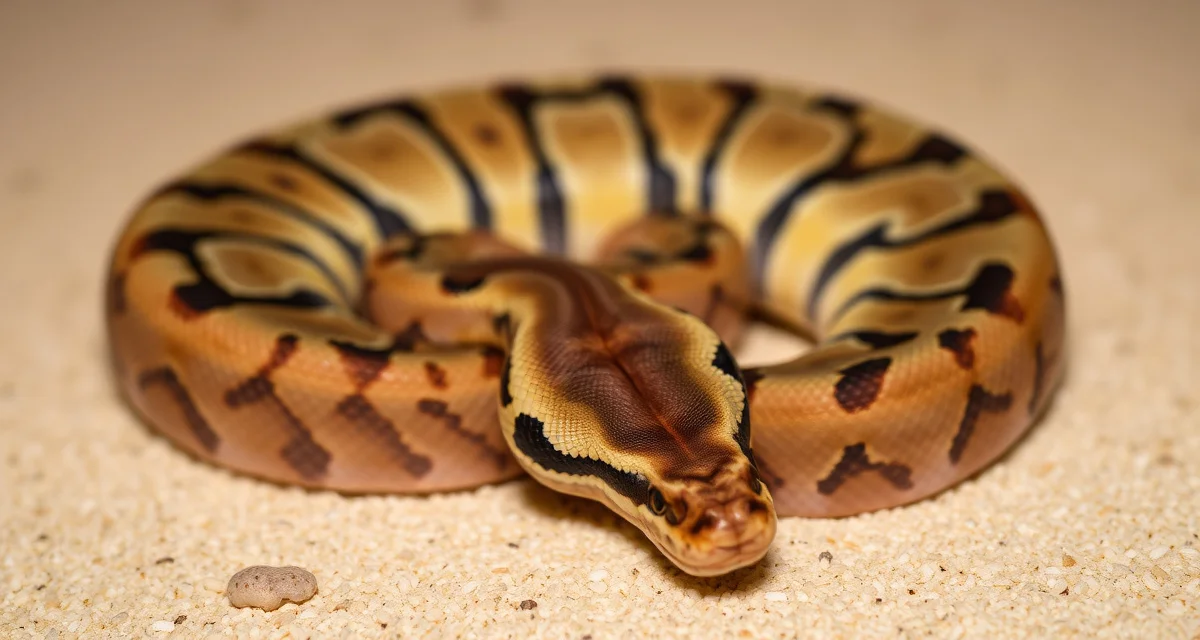
Spider Ball Python Breeding Pairs: All Possible Outcomes
The Spider morph is one of the most widely bred co-dominant genes in the hobby, but it comes with an important neurological consideration every breeder needs to understand before working with it. Here's what you need to know about Spider pairings and outcomes.
TL;DR
- All pairing outcomes for Spider can be calculated before putting animals together by understanding the morph's inheritance pattern.
- Recessive genes require het x het pairings to produce visuals, with expected 25% visual odds per clutch.
- Co-dominant pairings with normal animals produce 50% co-dominant offspring; co-dominant x co-dominant produces 25% super form.
- Documenting each animal's confirmed genetic status is what makes het claims valuable to buyers in subsequent generations.
- Using a morph calculator before the season helps set realistic expectations for the number of target animals likely from each clutch.
Spider Genetics Overview
Spider is a co-dominant mutation. Every visible Spider carries one copy of the gene. The super form (two copies) is lethal in ovo, so no living super Spiders exist. This means Spider x Spider pairings produce 25% expected lethals that die before hatching, which effectively means clutches from Spider x Spider pairings tend to run smaller.
Every Spider ball python has some degree of the neurological wobble associated with the gene. This ranges from mild head tremors to severe balance and coordination problems. Document wobble severity honestly when selling.
Spider x Normal Pairings
When you pair a Spider to a normal ball python, expected outcomes are:
- 50% Spider (single-copy, will have wobble)
- 50% Normal (no Spider gene)
This is the most straightforward way to produce Spiders. Normals from this pairing carry no Spider gene and can be sold or used in projects without Spider concerns.
Spider x Spider Pairings
- 33% Spider (of surviving animals, approximately)
- 67% Normal
- ~25% of total eggs expected to be lethals (die in ovo)
Note: Because the super form is lethal before hatching, Spider x Spider pairings effectively produce a 2:1 ratio of normals to Spiders in surviving animals.
Popular Spider Combination Pairings
Spider x Pastel = Bumblebee
- 25% Bumblebee (Spider + Pastel)
- 25% Spider
- 25% Pastel
- 25% Normal
The Bumblebee is one of the most visually striking two-gene combinations. Bright yellow with reduced patterning and black markings.
Spider x Pinstripe = Spinner
- 25% Spinner (Spider + Pinstripe)
- 25% Spider
- 25% Pinstripe
- 25% Normal
Spider x Pastel x Pinstripe = Killer Bee
Three-gene combinations get complex. Killer Bee animals (all three genes) are a small percentage of the possible outcomes.
Spider x Lesser = Spinner Blast (or similar)
- Produces animals with Blue Eye complex influence combined with Spider pattern
Wobble Documentation Requirements
Any Spider or Spider-combination animal should have wobble severity documented as part of its sale listing and communications with buyers. This is both an ethical obligation and a protective practice for your reputation.
Severity typically falls into mild (occasional head tremors under stress), moderate (regular tremors affecting feeding), or severe (notable coordination impairment). Buyers deserve to know what they're getting.
Financial Planning for Spider Projects
Because the Spider super form is lethal, Spider x Spider pairings have lower expected clutch viability than most other co-dom pairings. Account for this in your production projections. A clutch from Spider x Spider may run 2 to 3 eggs smaller than a clutch from most other pairings.
Track your Spider pairings in HatchLedger to see actual slug rates and lethals across multiple clutches. Connecting that to your ball python morph calculator data helps you compare expected versus actual outcomes and adjust your projections.
Frequently Asked Questions
What are the possible outcomes from Spider ball python breeding pairs?
Spider x Normal produces 50% Spider and 50% Normal. Spider x Spider produces approximately 33% Spider and 67% Normal in surviving animals, with an additional expected ~25% of total eggs being lethals that don't survive incubation.
How do professional breeders handle Spider ball python pairing outcomes?
They document every clutch carefully, track lethals and hatching rates, disclose wobble severity accurately to buyers, and factor the lower super viability into their financial projections for Spider projects.
What software helps manage Spider ball python breeding records?
HatchLedger is purpose-built for reptile breeders, connecting animal records, breeding history, clutch outcomes, and financial tracking in one system. Unlike generic spreadsheets, it's designed around the specific workflow of an active breeding season. Free for up to 20 animals.
What is the fastest pairing route to produce visual Spider ball pythons?
The fastest route depends on what stock you already have. If you have a visual Spider, pairing it with a het (or a normal for co-dominant genes) produces visuals immediately. If you are starting from hets, a het x het pairing gives 25% visual odds per clutch. Building het stock first from a visual x normal pairing before running het x het is slower but produces cleaner, more documentable genetics.
How should possible het Spider animals be priced?
Possible het animals are priced as a percentage of confirmed het pricing, proportional to their probability. A 66% possible het from a het x het pairing typically prices at 40-60% of confirmed het value. Animals that have been proven by producing visual offspring upgrade to confirmed het status and can command full het pricing in subsequent sales.
Sources
- World of Ball Pythons (WoBP genetics reference database)
- USARK (United States Association of Reptile Keepers)
- Association of Reptilian and Amphibian Veterinarians (ARAV)
- MorphMarket (reptile industry marketplace and pricing data)
- Ball Python community breeding records
Get Started with HatchLedger
Tracking Spider pairing outcomes, het status, and proving records across multiple seasons is where most breeders run into documentation gaps. HatchLedger connects each animal's genetic record to its clutch of origin and parent history, so your het claims are always backed by traceable data. Try it free with up to 20 animals.