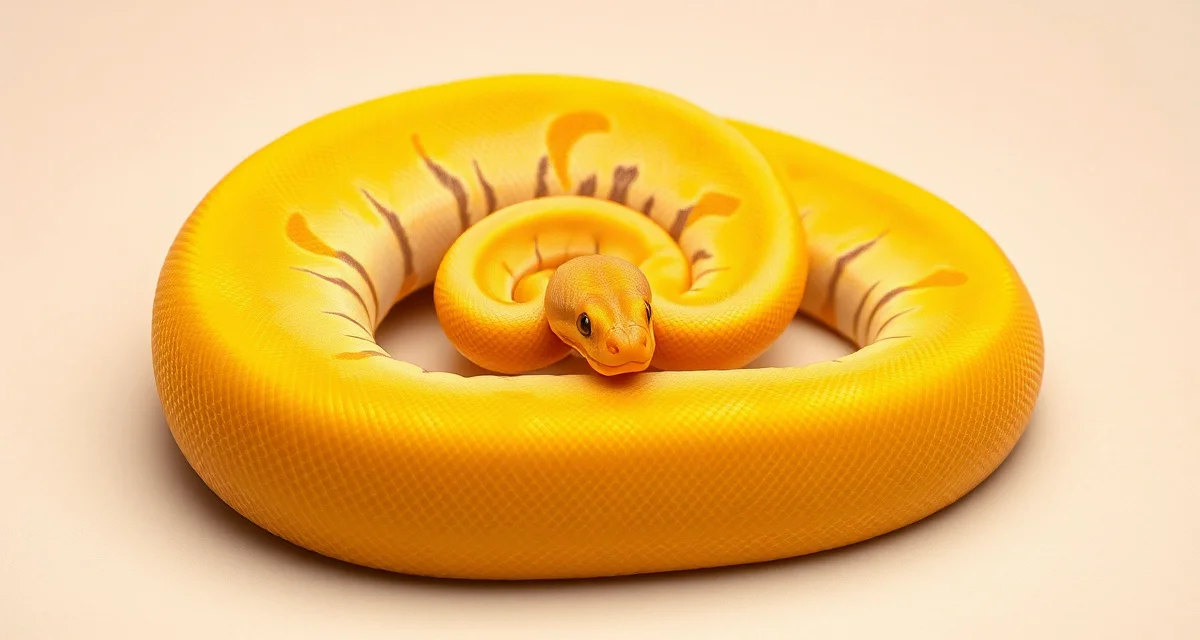
Coral Glow Ball Python Breeding Pairs: All Possible Outcomes
Coral Glow and Banana are allelic mutations, meaning they occur at the same gene locus and produce the same phenotype. If you're working with Coral Glow, everything that applies to Banana genetics applies here, including the sex-linked production bias in males.
TL;DR
- All pairing outcomes for Coral Glow can be calculated before putting animals together by understanding the morph's inheritance pattern.
- Recessive genes require het x het pairings to produce visuals, with expected 25% visual odds per clutch.
- Co-dominant pairings with normal animals produce 50% co-dominant offspring; co-dominant x co-dominant produces 25% super form.
- Documenting each animal's confirmed genetic status is what makes het claims valuable to buyers in subsequent generations.
- Using a morph calculator before the season helps set realistic expectations for the number of target animals likely from each clutch.
Coral Glow Genetics Overview
Coral Glow is a co-dominant mutation that is genetically equivalent to Banana. Animals heterozygous for Coral Glow show a vibrant yellow-orange base with brown spots and reduced patterning. The super form carries two copies of the gene.
Because Coral Glow and Banana are allelic, breeding a Coral Glow to a Banana produces animals that look similar to either parent. These offspring are sometimes marketed as "Banana/Coral Glow" or labeled with both names to reflect the dual-gene origin. Coral Glow x Banana does NOT produce super forms.
Coral Glow x Normal Pairings (Male Coral Glow)
Due to the same sex-bias as Banana:
- Approximately 65-67% of offspring carry the Coral Glow gene
- Those offspring skew female
- Non-Coral Glow offspring are approximately 33-35% and skew male
This male sex-bias makes male Coral Glows particularly useful for producing female-heavy Coral Glow clutches.
Coral Glow x Normal Pairings (Female Coral Glow)
- Approximately 50% Coral Glow
- Approximately 50% Normal
- Standard sex ratios
Female Coral Glows produce expected Mendelian ratios without the sex skew.
Coral Glow x Coral Glow Pairings
- Approximately 25% Super Coral Glow
- Approximately 50% Coral Glow
- Approximately 25% Normal
Research current community discussions on super Coral Glow viability and neurological status before heavily pursuing super production, similar to the caution around Super Bananas.
Coral Glow x Banana Pairings
- Approximately 50% Coral Glow/Banana (allelic heteroyzgotes)
- Approximately 25% Normal
- Note: No super forms produced since the genes are allelic to each other
Animals produced from Coral Glow x Banana pairings are healthy and visually similar to either parent. Some breeders consider these less desirable for project building because they don't stack toward a super, but others find the combination useful for specific goals.
Popular Coral Glow Combinations
Coral Glow x Pastel: Produces Coral Glow Pastels with enhanced color saturation and pattern reduction.
Coral Glow x Enchi: Reduces pattern and adds warm tones to an already vibrant morph.
Coral Glow x Pied (both het Pied): Coral Glow Pieds have the same appeal as Banana Pieds. Strong seller.
Coral Glow x Clown (both het Clown): Coral Glow Clowns are visually impressive and well-regarded in the hobby.
Pricing Coral Glow vs. Banana
In most markets, Coral Glow and Banana are priced similarly since they're the same gene. Some breeders prefer the Coral Glow name for marketing purposes or because their lineage is specifically documented as Coral Glow rather than Banana. Track the specific lineage of your animals accurately.
Use HatchLedger to document whether your animals are from Banana, Coral Glow, or Banana/Coral Glow cross lines. That information matters to project breeders using the ball python morph calculator to plan their own pairings.
Frequently Asked Questions
What are the possible outcomes from Coral Glow ball python breeding pairs?
Coral Glow x Normal produces approximately 50-67% Coral Glow depending on whether the parent is female or male. Coral Glow x Coral Glow produces 25% Super Coral Glow, 50% Coral Glow, and 25% Normal. Coral Glow x Banana produces Coral Glow/Banana allelic animals without producing supers.
How do professional breeders handle Coral Glow ball python pairings?
They accurately document whether animals are from pure Coral Glow or Coral Glow/Banana cross lines, disclose allelic status to buyers, and apply the same sex-bias considerations to male Coral Glows as to male Bananas.
What software helps manage Coral Glow ball python genetics records?
HatchLedger is purpose-built for reptile breeders, connecting animal records, breeding history, clutch outcomes, and financial tracking in one system. Unlike generic spreadsheets, it's designed around the specific workflow of an active breeding season. Free for up to 20 animals.
What is the fastest pairing route to produce visual Coral Glow ball pythons?
The fastest route depends on what stock you already have. If you have a visual Coral Glow, pairing it with a het (or a normal for co-dominant genes) produces visuals immediately. If you are starting from hets, a het x het pairing gives 25% visual odds per clutch. Building het stock first from a visual x normal pairing before running het x het is slower but produces cleaner, more documentable genetics.
How should possible het Coral Glow animals be priced?
Possible het animals are priced as a percentage of confirmed het pricing, proportional to their probability. A 66% possible het from a het x het pairing typically prices at 40-60% of confirmed het value. Animals that have been proven by producing visual offspring upgrade to confirmed het status and can command full het pricing in subsequent sales.
Sources
- World of Ball Pythons (WoBP genetics reference database)
- USARK (United States Association of Reptile Keepers)
- Association of Reptilian and Amphibian Veterinarians (ARAV)
- MorphMarket (reptile industry marketplace and pricing data)
- Ball Python community breeding records
Get Started with HatchLedger
Tracking Coral Glow pairing outcomes, het status, and proving records across multiple seasons is where most breeders run into documentation gaps. HatchLedger connects each animal's genetic record to its clutch of origin and parent history, so your het claims are always backed by traceable data. Try it free with up to 20 animals.