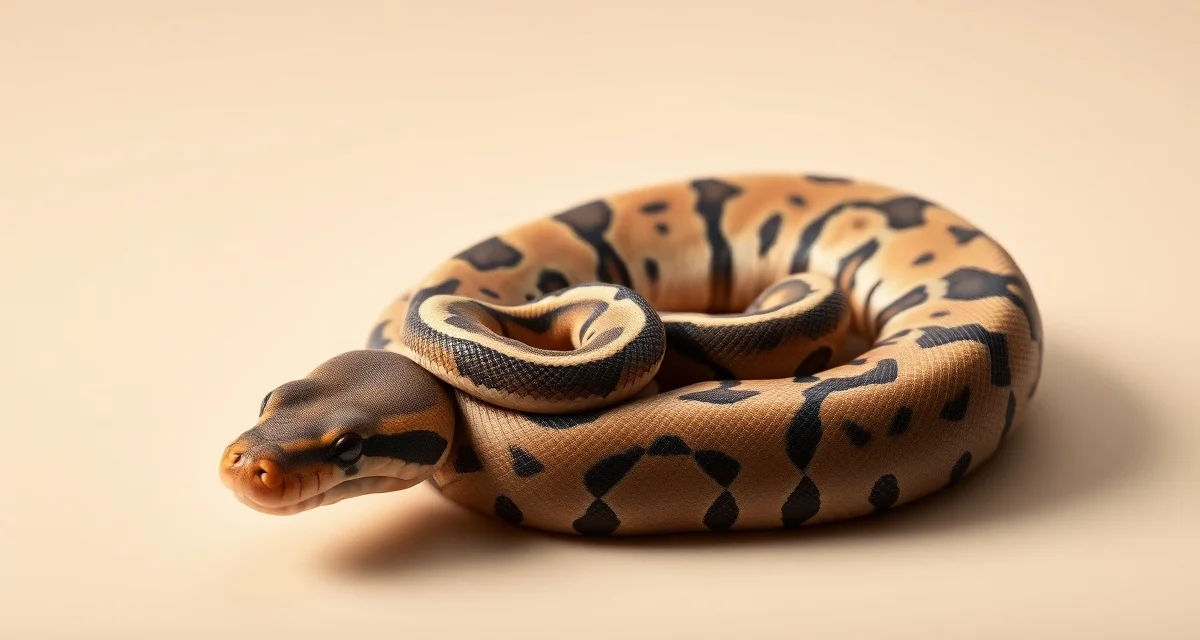
Confusion Ball Python Breeding Pairs: All Possible Outcomes
Confusion is a recessive mutation that produces dramatically altered patterning in ball pythons. Its distinctively disrupted pattern is immediately different from other recessive morphs, making Confusion animals recognizable and appealing to buyers looking for unusual pattern expression.
TL;DR
- All pairing outcomes for Confusion can be calculated before putting animals together by understanding the morph's inheritance pattern.
- Recessive genes require het x het pairings to produce visuals, with expected 25% visual odds per clutch.
- Co-dominant pairings with normal animals produce 50% co-dominant offspring; co-dominant x co-dominant produces 25% super form.
- Documenting each animal's confirmed genetic status is what makes het claims valuable to buyers in subsequent generations.
- Using a morph calculator before the season helps set realistic expectations for the number of target animals likely from each clutch.
Confusion Genetics Overview
Confusion is a simple autosomal recessive mutation that produces unusual pattern disruption, often described as swirling or chaotic patterning rather than the normal ball python dorsal blotch arrangement. Visual Confusions are recognizable by this distinctive disrupted pattern rather than any strong color change.
As with all recessives, two copies are needed for visual expression. Het Confusions look like normal ball pythons.
Het Confusion x Het Confusion Pairings
- 25% Visual Confusion
- 50% Het Confusion (look normal)
- 25% Normal (no Confusion gene)
Standard recessive outcome. Visual Confusions are identifiable by their disrupted pattern from hatching.
Visual Confusion x Normal Pairings
- 100% Het Confusion
- 0% Visual Confusions
Building het stock from a proven visual Confusion.
Visual Confusion x Het Confusion Pairings
- 50% Visual Confusion
- 50% Het Confusion
Most efficient visual production pairing.
Confusion Combination Animals
Confusion's most interesting combinations are those where the disrupted pattern interacts with other pattern-altering or color-enhancing genes.
Confusion x Pastel: Pastel brightens the Confusion base while maintaining the characteristic disrupted pattern. Colors are more vibrant in the patterned sections.
Confusion x Enchi: Pattern reduction from Enchi combined with Confusion's disrupted patterning creates an unusual double-pattern-altered animal.
Confusion x Banana: The vibrant Banana color in a Confusion pattern creates a visually chaotic but striking combination.
Confusion x GHI: GHI's dark contrast applied to the Confusion pattern. Bold and unusual.
Confusion x Pied (both het Pied): Confusion Pied animals show the disrupted Confusion pattern in the patterned sections with Pied's white base. Very distinctive.
Confusion x Clown (both het Clown): Confusion Clown would show elements of both morphs' pattern alterations. Unusual and sought after by collectors of pattern-altering morphs.
The Pattern-Alteration Niche
Confusion sits alongside Spider, Wookie, Woma, and other morphs that change the pattern rather than (or in addition to) changing the color. Buyers who are drawn to pattern-altered animals seek these out specifically. Standard color morph buyers may not fully appreciate the visual difference.
Photographing Confusion animals requires good technique to show the pattern disruption clearly. A blurry or poorly lit photo of a Confusion may look like a normal snake to a buyer who isn't familiar with the morph.
Building a Confusion Project
Start with proven het animals. Pair them to het x het for visual production, or pair a visual Confusion to a co-dominant animal to produce visually normal het Confusion animals that also carry the co-dom gene in one step.
Track all Confusion genetics and het parentage documentation in HatchLedger. The ball python morph calculator handles Confusion pairing outcomes and multi-gene combination expectations.
Frequently Asked Questions
What are the possible outcomes from Confusion ball python breeding pairs?
Het x Het produces 25% visual Confusion, 50% het Confusion, and 25% normal. Visual x Normal produces 100% het Confusion. Visual x Het produces 50% visual Confusion and 50% het Confusion.
How do professional breeders market Confusion ball pythons effectively?
They invest in quality photography that clearly shows the disrupted pattern, target buyers specifically interested in pattern-altered morphs, and document genetics carefully given the visual similarity of het Confusions to normal ball pythons.
What software helps manage Confusion ball python project records?
HatchLedger is purpose-built for reptile breeders, connecting animal records, breeding history, clutch outcomes, and financial tracking in one system. Unlike generic spreadsheets, it's designed around the specific workflow of an active breeding season. Free for up to 20 animals.
What is the fastest pairing route to produce visual Confusion ball pythons?
The fastest route depends on what stock you already have. If you have a visual Confusion, pairing it with a het (or a normal for co-dominant genes) produces visuals immediately. If you are starting from hets, a het x het pairing gives 25% visual odds per clutch. Building het stock first from a visual x normal pairing before running het x het is slower but produces cleaner, more documentable genetics.
How should possible het Confusion animals be priced?
Possible het animals are priced as a percentage of confirmed het pricing, proportional to their probability. A 66% possible het from a het x het pairing typically prices at 40-60% of confirmed het value. Animals that have been proven by producing visual offspring upgrade to confirmed het status and can command full het pricing in subsequent sales.
Sources
- World of Ball Pythons (WoBP genetics reference database)
- USARK (United States Association of Reptile Keepers)
- Association of Reptilian and Amphibian Veterinarians (ARAV)
- MorphMarket (reptile industry marketplace and pricing data)
- Ball Python community breeding records
Get Started with HatchLedger
Tracking Confusion pairing outcomes, het status, and proving records across multiple seasons is where most breeders run into documentation gaps. HatchLedger connects each animal's genetic record to its clutch of origin and parent history, so your het claims are always backed by traceable data. Try it free with up to 20 animals.