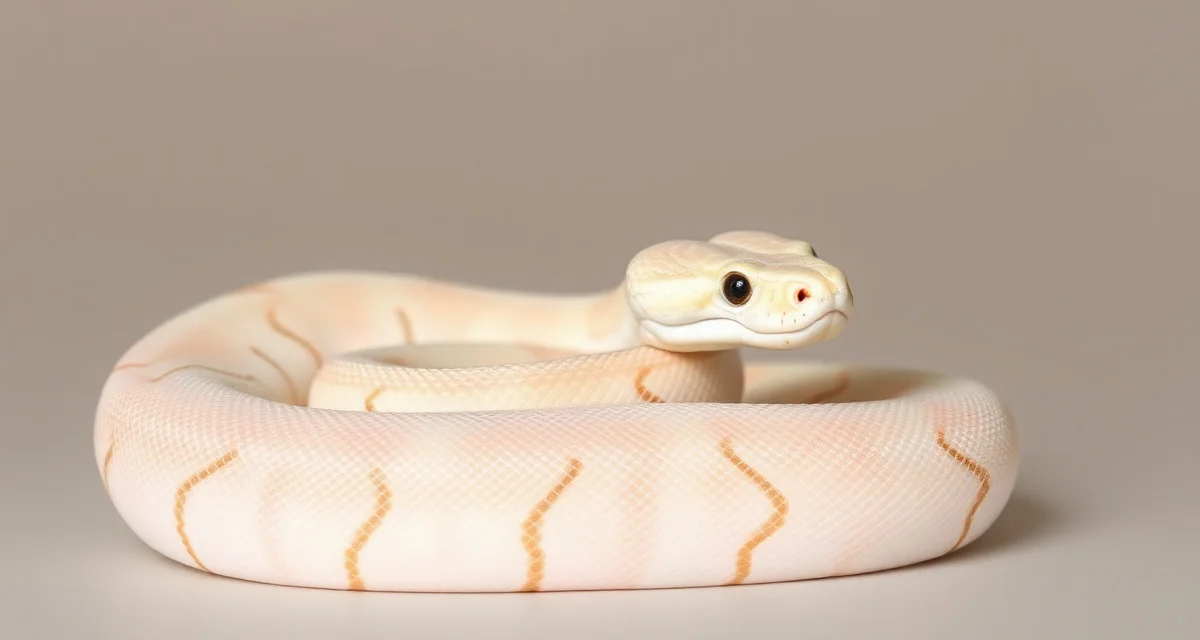
Bamboo Ball Python Breeding Pairs: All Possible Outcomes
Bamboo is a recessive mutation that produces distinctive pale coloration with reduced pattern. It's one of the less common recessives in broad circulation, which gives it some natural scarcity value for breeders willing to build a project around it.
TL;DR
- All pairing outcomes for Bamboo can be calculated before putting animals together by understanding the morph's inheritance pattern.
- Recessive genes require het x het pairings to produce visuals, with expected 25% visual odds per clutch.
- Co-dominant pairings with normal animals produce 50% co-dominant offspring; co-dominant x co-dominant produces 25% super form.
- Documenting each animal's confirmed genetic status is what makes het claims valuable to buyers in subsequent generations.
- Using a morph calculator before the season helps set realistic expectations for the number of target animals likely from each clutch.
Bamboo Genetics Overview
Bamboo is a simple autosomal recessive mutation. Visual Bamboo animals show a pale, often yellowish-cream appearance with reduced dark patterning. The reduction in dark elements gives them a washed-out or bleached look compared to normals.
As with all recessives, animals must carry two copies to visually express the gene. Single-copy carriers (het Bamboo) look like normal ball pythons.
Het Bamboo x Het Bamboo Pairings
- 25% Visual Bamboo
- 50% Het Bamboo (look normal)
- 25% Normal (no Bamboo gene)
Standard recessive outcome. Visual Bamboos are pale and distinctive from normal animals.
Visual Bamboo x Normal Pairings
- 100% Het Bamboo
- 0% Visual Bamboos
Building het stock from a proven visual.
Visual Bamboo x Het Bamboo Pairings
- 50% Visual Bamboo
- 50% Het Bamboo
Most efficient visual production pairing.
Bamboo Combination Animals
Bamboo x Pastel: Pastel Bamboo shows enhanced color with Bamboo's paleness creating a very clean, bright animal.
Bamboo x Enchi: Pattern reduction from Enchi combined with Bamboo's melanin reduction.
Bamboo x Banana: Banana Bamboo is a bright, warm-toned combination. Banana's orange-yellow with Bamboo's pale base creates visually interesting animals.
Bamboo x GHI: Contrast pairing where GHI's darkening and Bamboo's lightening interact to produce balanced, high-contrast animals.
Bamboo x Pied (both het Pied): Bamboo Pied with the white Pied base and Bamboo's pale patterned sections. Very clean appearance.
Bamboo x Clown (both het Clown): Bamboo Clowns show the Clown pattern with Bamboo's pale, reduced expression.
Bamboo x Desert Ghost: Two melanin-reducing recessive genes in combination. The combined effect creates an extremely pale animal, though these require multiple seasons to produce.
Bamboo's Rarity as a Market Advantage
Because Bamboo isn't as widely worked as Clown, Pied, or Albino, animals carrying confirmed Bamboo genetics have some natural scarcity value. Proven het Bamboo animals with good co-dominant genes stacked on top attract buyers specifically looking to get into a less-crowded recessive project.
Positioning your Bamboo program as a niche offering on MorphMarket, with clear genetic documentation and quality photos, can attract the right buyers.
Track all Bamboo genetics and het status documentation in HatchLedger. The ball python morph calculator handles Bamboo pairing outcomes and multi-gene combination expectations.
Frequently Asked Questions
What are the possible outcomes from Bamboo ball python breeding pairs?
Het x Het produces 25% visual Bamboo, 50% het Bamboo, and 25% normal. Visual x Normal produces 100% het Bamboo. Visual x Het produces 50% visual Bamboo and 50% het Bamboo.
How do professional breeders build a Bamboo ball python project?
They acquire proven het stock with documented parentage, plan combination pairings by adding co-dominant genes to het animals for the most visually marketable combination outcomes, and use the natural scarcity of Bamboo in the hobby as a differentiation point.
What software helps manage Bamboo ball python project records?
HatchLedger is purpose-built for reptile breeders, connecting animal records, breeding history, clutch outcomes, and financial tracking in one system. Unlike generic spreadsheets, it's designed around the specific workflow of an active breeding season. Free for up to 20 animals.
What is the fastest pairing route to produce visual Bamboo ball pythons?
The fastest route depends on what stock you already have. If you have a visual Bamboo, pairing it with a het (or a normal for co-dominant genes) produces visuals immediately. If you are starting from hets, a het x het pairing gives 25% visual odds per clutch. Building het stock first from a visual x normal pairing before running het x het is slower but produces cleaner, more documentable genetics.
How should possible het Bamboo animals be priced?
Possible het animals are priced as a percentage of confirmed het pricing, proportional to their probability. A 66% possible het from a het x het pairing typically prices at 40-60% of confirmed het value. Animals that have been proven by producing visual offspring upgrade to confirmed het status and can command full het pricing in subsequent sales.
Sources
- World of Ball Pythons (WoBP genetics reference database)
- USARK (United States Association of Reptile Keepers)
- Association of Reptilian and Amphibian Veterinarians (ARAV)
- MorphMarket (reptile industry marketplace and pricing data)
- Ball Python community breeding records
Get Started with HatchLedger
Tracking Bamboo pairing outcomes, het status, and proving records across multiple seasons is where most breeders run into documentation gaps. HatchLedger connects each animal's genetic record to its clutch of origin and parent history, so your het claims are always backed by traceable data. Try it free with up to 20 animals.