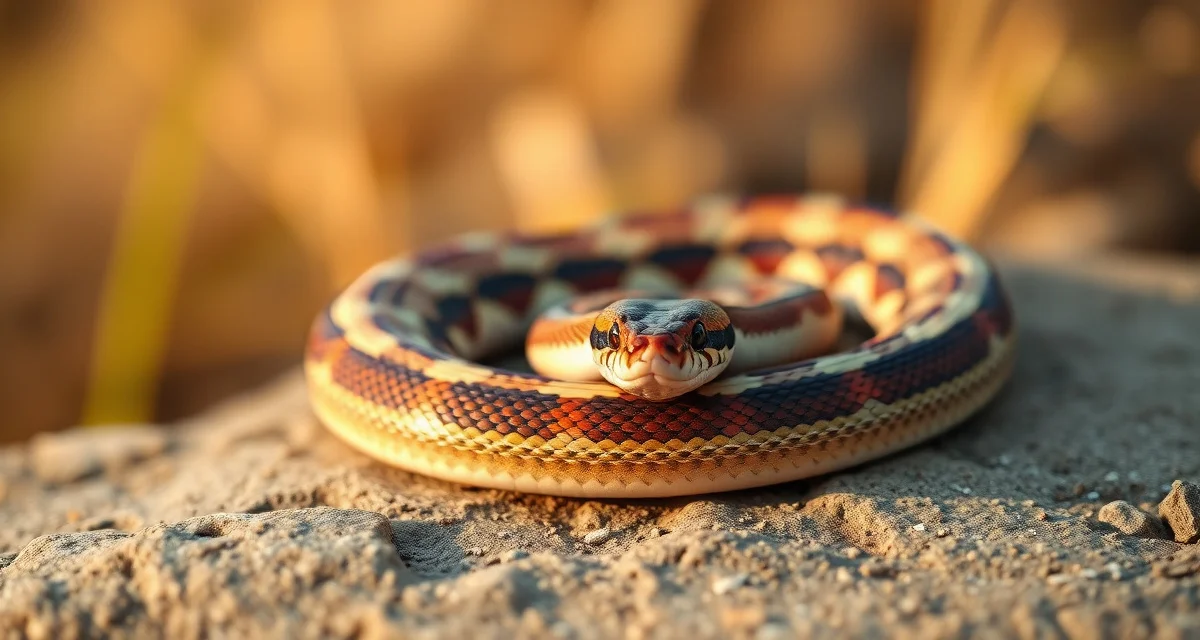
Milk Snake Breeding Season Timing: Complete Breeder Guide
Milk snake breeding season timing follows the same seasonal cycling principles that govern all North American colubrid breeding. Milk snakes (Lampropeltis triangulum and related species) are native to a wide geographic range and respond reliably to winter cooling followed by spring warming. Getting the timing right produces consistent clutches and cooperative breeders. Breeders using integrated software report 30% less time on administrative tasks, freeing time for the preparation work that determines breeding season success.
TL;DR
- Milk snakes span dozens of recognized subspecies of Lampropeltis triangulum and related species, each with distinct care and breeding requirements.
- Most milk snake subspecies require 60-90 days of seasonal cycling at 50-55 degrees Fahrenheit for reliable breeding.
- Clutch sizes range from 4-18 eggs depending on subspecies, with Honduran milk snakes averaging toward the larger end.
- Incubation runs 55-70 days at 78-82 degrees Fahrenheit with moderate humidity.
- Honduran milk snakes have an active morph program with albino, hypo, and tri-color tangerine lines among the established variants.
Cooling Period Timing
When to Start
Begin cooling in November or December. Milk snakes should be well-fed and at healthy body weight before cooling begins. Stop offering food 2 weeks before temperatures drop to ensure no undigested prey remains when the cooling period starts.
Don't cool animals in poor condition, underweight animals, or animals with active health issues. Sick or compromised animals shouldn't face the additional stress of cooling.
Temperature and Duration
Reduce temperatures gradually to 55-65°F over 2 to 3 weeks. Maintain this range for 60 to 90 days. Provide water throughout the cooling period but stop routine feeding.
Log your cooling start date, target temperature, and actual measured temperatures periodically. These records connect to your breeding outcomes later in the season. HatchLedger's reptile breeder hub stores this data linked to your individual animal records.
Warming and Pre-Breeding Period
In late January or February, gradually raise temperatures back to normal over 2 to 3 weeks. Resume feeding promptly; most milk snakes eat eagerly after the cooling period ends.
Allow females to eat 2 to 4 meals before introductions. Body condition at breeding directly affects clutch size and egg viability. A female that resumes eating quickly and gains weight in the post-cooling weeks will produce a better clutch than one that remains off-feed.
Introducing Pairs
Once your female is eating well and temperatures are normalized, introduce the male. Milk snakes are generally cooperative breeders without the extreme aggression risk of kingsnakes, but they still benefit from supervised introductions.
Introduce the male to the female's enclosure during evening hours. Watch for courtship behavior: chin rubbing, following, tail positioning. Multiple introductions over 2 to 4 weeks improve fertilization rates.
Log every pairing with date and behavioral outcome. Reptile breeder software comparison resources consistently highlight that linking pairing records to clutch results is essential for accurate genetic documentation across a season with multiple females.
Post-Breeding Signs
Gravid females develop eggs 4 to 6 weeks after breeding. Signs include visible posterior swelling, going off feed, and increased heat-seeking behavior. Provide a pre-lay box with slightly damp substrate when the female appears close to laying.
Frequently Asked Questions
What is the best approach to milk snake breeding season timing?
Cool for 60 to 90 days at 55-65°F starting in November or December. Ensure all animals are healthy and have no undigested meals before cooling. Warm gradually from late January through February, resume feeding, and introduce males once females have eaten several post-cooling meals. Run multiple supervised introductions over 2 to 4 weeks. Log all cooling parameters and pairing records to build the seasonal history that improves your program over time.
How do professional breeders handle milk snake breeding season timing?
Professional milk snake breeders document their cooling protocols, verify animal condition before introductions, run multiple pairing sessions, and log every step. They review previous seasons' records to identify whether adjustments to cooling timing or duration produced better results for specific animals. They treat breeding season timing as a documented protocol rather than an informal estimate.
What software helps manage milk snake breeding season timing?
HatchLedger is purpose-built for reptile breeders, connecting animal records, breeding history, clutch outcomes, and financial tracking in one system. Unlike generic spreadsheets, it's designed around the specific workflow of an active breeding season. Free for up to 20 animals.
What is the most commonly bred milk snake subspecies?
Honduran milk snakes (L. t. hondurensis) are the most widely bred milk snake subspecies due to their larger size, active morph development, and established keeper base. Nelson's milk snakes and Sinaloan milk snakes are also commonly bred. Scarlet kingsnakes have a smaller but dedicated keeper community.
How do you tell apart milk snake subspecies?
Subspecies identification relies on coloration pattern (band count and width), scale counts, and geographic origin. For captive-bred animals, documentation from the original breeder is the most reliable source. Hybridization between subspecies does occur and reduces the value and documentation reliability of offspring.
Sources
- USARK (United States Association of Reptile Keepers)
- Association of Reptilian and Amphibian Veterinarians (ARAV)
- Herpetologica (Herpetologists League)
- Society for the Study of Amphibians and Reptiles (SSAR)
- Reptiles Magazine (Bowtie Inc.)
Get Started with HatchLedger
Milk snake breeders working across subspecies and morph lines benefit from records that track lineage clearly and connect cooling protocols to seasonal clutch outcomes. HatchLedger keeps this information organized and searchable across your entire collection. Free for up to 20 animals.