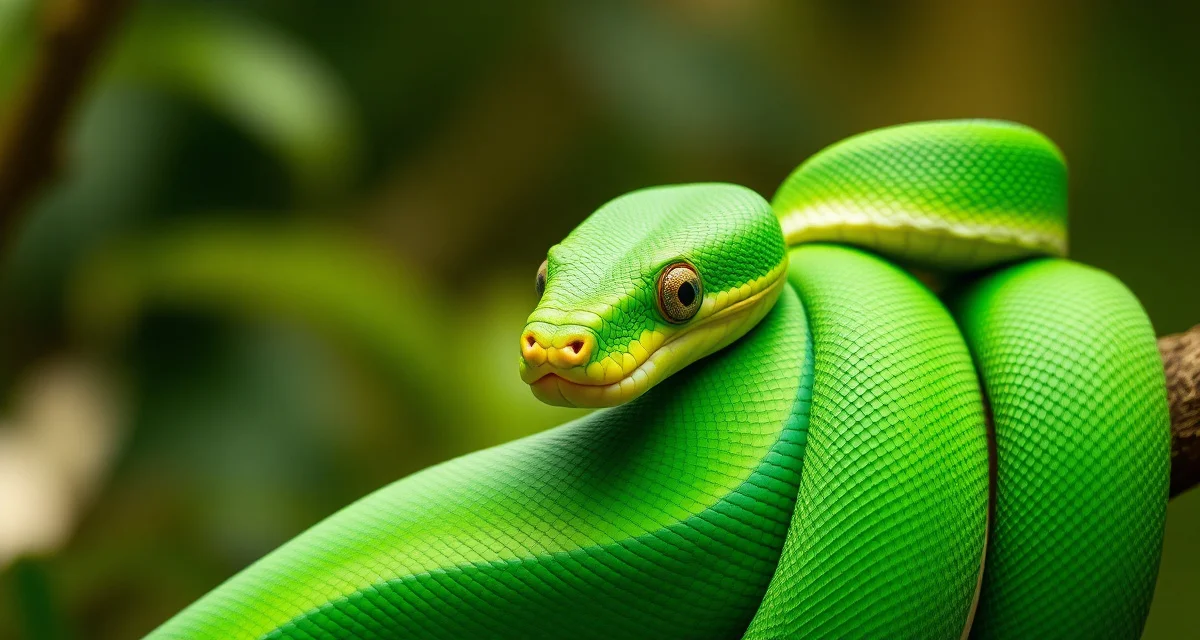
Green Tree Python Health and Disease Prevention: Complete Breeder Guide
By HatchLedger Editorial Team · Published 2025-07-08 · Updated Mar 13, 2026
Green tree python health and disease prevention requires a proactive, documented approach. GTPs are sensitive animals that don't tolerate husbandry lapses well, and disease in a breeding collection can quickly affect multiple animals and an entire season's production. Breeders using integrated software report 30% less time on administrative tasks, freeing attention for the daily observation habits that catch health problems early.
TL;DR
- Green tree pythons (Morelia viridis) are arboreal specialists requiring perch-based enclosures and husbandry quite different from terrestrial pythons.
- Breeding is triggered by a dry season simulation with reduced humidity and a modest temperature reduction over 6-8 weeks.
- Clutch sizes average 12-25 eggs, with Biak locale animals producing larger clutches than Sorong or Aru.
- Incubation runs 47-52 days at 84-86 degrees Fahrenheit, shorter than most python species at equivalent temperatures.
- Locale documentation is critical: Biak, Sorong, Aru, Kofiau, and locality blends all carry distinct market values and buyer expectations.
Prevention in a GTP breeding program isn't just about keeping animals alive. It's about keeping them in the condition needed for breeding, incubation, and producing healthy hatchlings. A female who spent two months recovering from a respiratory infection won't cycle or produce the same way as a healthy female.
Core Prevention Principles
Quarantine Every New Animal
The single most important disease prevention measure is strict quarantine for all incoming animals. New GTPs should be housed in a completely separate room or building from your main collection for a minimum of 90 days. 90 days catches most common infectious conditions; some experienced breeders extend this to 6 months.
During quarantine:
- Use dedicated tools and equipment that don't cross to the main collection
- Change clothes and wash hands before and after quarantine room access
- Log all feeding, shedding, and behavioral observations
- Have a fecal exam performed by a reptile vet early in the quarantine period
If any issues arise during quarantine, extend the period until the animal is fully healthy. Don't rush introductions to the main collection.
Maintain Clean Enclosures
GTPs are naturally clean animals, but their enclosures require regular maintenance. Spot clean daily, remove uneaten prey items after a few hours, and deep-clean enclosures on a regular schedule.
High humidity environments promote bacterial and fungal growth if not managed. Ensure your enclosures have adequate ventilation to prevent stagnant conditions while maintaining appropriate humidity. Cork bark and natural branches can harbor mites and bacteria; inspect and clean or replace regularly.
Monitor Environmental Parameters
Temperature and humidity outside appropriate ranges are leading triggers for respiratory infections, dysecdysis, and feeding refusal in GTPs. Use digital thermometers and hygrometers with reliable sensors and check readings regularly.
Don't assume your equipment is accurate. Verify readings against secondary measurement devices periodically, especially when animals are showing unexplained behavioral changes.
Common Diseases and Recognition
Respiratory Infections
Signs include wheezing, open-mouth breathing, mucus at the nares, and lethargy. GTPs are particularly prone to respiratory infections when temperatures drop below appropriate ranges or when humidity is inadequate over extended periods.
Isolate any animal showing respiratory symptoms immediately. Seek veterinary care promptly, as respiratory infections respond well to treatment when caught early but can progress rapidly. Log symptom onset, treatment start date, medications used, and recovery timeline.
Inclusion Body Disease (IBD)
IBD is caused by an arenavirus and presents with neurological symptoms including stargazing, inability to right the body, regurgitation, and coordination loss. It's fatal and contagious, with no cure.
Any suspected IBD case requires immediate isolation from the entire collection and veterinary confirmation. Affected animals cannot be treated and present a risk to your entire breeding program. Testing is available through veterinary laboratories and should be done any time neurological symptoms appear.
Strict quarantine practices are the primary defense against IBD entering your collection. This is why the 90-day minimum quarantine period exists.
Cryptosporidiosis
Crypto is a parasitic disease that causes chronic weight loss, regurgitation, and eventually death in affected animals. It's transmitted through fecal contamination and is extremely difficult to eliminate from a collection once established.
Diagnosis requires fecal testing. There's no reliable cure for reptile cryptosporidiosis. Prevention means strict hygiene, quarantine, and testing new animals before introduction to the main collection.
Internal Parasites
Wild-caught GTPs and captive-bred animals from less controlled environments may carry internal parasites. A fecal exam by a reptile vet at the start of quarantine catches parasitic infections before they affect the animal's condition or spread.
Routine fecal testing for breeding animals is a good practice even outside of quarantine, particularly if any animal shows unexplained weight loss or feeding behavior changes.
Mites
Scale mites (Ophionyssus natricis) spread rapidly through collections and cause significant stress. GTPs may show excessive soaking behavior, rubbing against enclosure surfaces, or visible mites in the water bowl or on the snake's body.
Treatment involves both the animal and the enclosure. Log treatment dates, products used, and re-check dates in your animal records. If you're managing multiple animals in HatchLedger's reptile breeder hub, you can filter by housing location to identify all animals at potential risk from an infestation event.
Building a Health Protocol
A written health protocol gives everyone with access to your collection clear guidelines for identification, response, and documentation. Include:
Daily observation checklist: What to look for during routine feeding and visual checks.
Isolation protocol: Where infected animals go, what equipment is dedicated to the isolation area, and who has access.
Vet contact list: Reptile-experienced vet information ready before an emergency.
Medication records: Log all medications administered including drug name, dose, duration, and who administered.
Quarantine requirements: Written standards for new animal introduction that everyone follows consistently.
Tracking health events across your collection is only practical with a digital system. Reptile breeder software comparison research shows that breeders managing 20 or more animals need searchable health records to manage their collections effectively. Paper notebooks simply can't support the kind of analysis that catches patterns across a collection.
Connecting Health Records to Breeding Outcomes
Health problems affect breeding outcomes. A female recovering from illness during the breeding season may not cycle properly, may produce a reduced clutch, or may have reduced fertility rates. A male with an active infection may have lower sperm viability.
When you log health events in HatchLedger alongside your breeding records, you can see these correlations. A season where multiple females showed respiratory issues can be connected to a specific environmental problem. An unusually low fertility rate in a pairing can be examined in context of that male's health log for the season. These insights only come from integrated records.
Frequently Asked Questions
What is the best approach to green tree python health and disease prevention?
Quarantine every new animal for a minimum of 90 days, maintain consistent temperature and humidity, perform fecal exams during quarantine, and observe animals daily. Establish a relationship with a reptile-experienced vet before you need one urgently. Maintain detailed health logs for every animal so early changes are documented and patterns are identifiable. When any animal shows concerning symptoms, isolate immediately and seek veterinary guidance. Prevention through documented husbandry is far less expensive than treating disease outbreaks in an established collection.
How do professional breeders handle green tree python health and disease prevention?
Professional breeders build prevention into their daily routines. They have written quarantine and health protocols, dedicated quarantine spaces with separate equipment, and relationships with reptile vets who are familiar with their collections. They log health events systematically, track treatments to completion, and review health records when evaluating breeding candidates to ensure only healthy animals enter the season. They also track environmental data consistently, so when health issues emerge, they can identify whether environmental causes were involved.
What software helps manage green tree python health and disease prevention?
HatchLedger is purpose-built for reptile breeders, connecting animal records, breeding history, clutch outcomes, and financial tracking in one system. Unlike generic spreadsheets, it's designed around the specific workflow of an active breeding season. Free for up to 20 animals.
Why is locale documentation so important for green tree pythons?
Buyers of green tree pythons are often very specific about locality. Biak animals are prized for large adult size and a blue ontogenetic coloration phase. Sorong and Aru animals are known for consistent solid green adult coloration. Locality blends from unknown crosses are worth significantly less than documented pure-locale animals. Recording locale information from acquisition through sale is essential.
How long does it take green tree python neonates to change color?
The ontogenetic color change from yellow or red neonate coloration to adult green takes approximately 6-12 months in most locales. Biak animals often go through a blue phase during the transition. Buyers of neonates should understand the timeline. Photographing animals at regular intervals through the color change documents the process and makes for compelling sales content.
What is Green Tree Python Health and Disease Prevention: Complete Breeder Guide?
Green Tree Python Health and Disease Prevention: Complete Breeder Guide is a comprehensive resource covering proactive health management for Morelia viridis breeding collections. It addresses the unique husbandry demands of this arboreal species, including enclosure setup, seasonal breeding triggers, disease prevention protocols, and locale documentation. The guide helps breeders maintain animals in peak reproductive condition while minimizing health risks across an entire collection — critical given how quickly illness can affect a breeding season's production.
How much does Green Tree Python Health and Disease Prevention: Complete Breeder Guide cost?
This guide is free educational content published on HatchLedger. There is no purchase required to access the article. HatchLedger also offers breeding management software that complements the guide's recommendations, helping breeders document health records, track clutches, and reduce administrative time — breeders using integrated tools report spending roughly 30% less time on paperwork, freeing more time for hands-on animal observation.
How does Green Tree Python Health and Disease Prevention: Complete Breeder Guide work?
The guide works by walking breeders through the core principles of GTP health management: establishing proper arboreal enclosures, simulating dry-season breeding conditions, monitoring incubation parameters (84–86°F for 47–52 days), and maintaining accurate locale records. It combines species-specific biology with practical prevention protocols, so breeders can catch problems early, maintain breeding condition year-round, and protect both animals and production outcomes.
What are the benefits of Green Tree Python Health and Disease Prevention: Complete Breeder Guide?
Key benefits include reduced disease risk across your collection, better reproductive outcomes through proper seasonal conditioning, and confidence managing a species less forgiving of husbandry errors than most pythons. Locale documentation guidance protects commercial value — Biak, Sorong, Aru, and Kofiau animals command distinct market prices. Paired with breeding software, the guide's protocols become trackable systems rather than informal habits, improving consistency across seasons.
Who needs Green Tree Python Health and Disease Prevention: Complete Breeder Guide?
This guide is essential for anyone keeping or breeding green tree pythons, from serious hobbyists producing their first clutches to experienced breeders scaling a multi-locale collection. It is especially valuable for breeders transitioning from terrestrial pythons, since GTP husbandry differs significantly. Anyone who has experienced unexplained health issues, breeding failures, or difficulty maintaining animals in reproductive condition will find the systematic approach in this guide directly applicable.
How long does Green Tree Python Health and Disease Prevention: Complete Breeder Guide take?
Implementing the guide's prevention framework takes ongoing daily effort — routine observation is the foundation of early disease detection. Initial setup of proper arboreal enclosures and documentation systems may take a few days. The breeding conditioning cycle itself runs 6–8 weeks of dry season simulation before pairing. Incubation then spans 47–52 days. Treating this as a continuous seasonal system, rather than a one-time setup, is what produces consistent, healthy clutches.
Related Articles
Sources
- USARK (United States Association of Reptile Keepers)
- Association of Reptilian and Amphibian Veterinarians (ARAV)
- CITES Appendix II (international trade documentation)
- Herpetofauna (Australian Herpetological Society)
- Green Tree Python Foundation
Get Started with HatchLedger
Green tree python breeding demands locale documentation, seasonal cycling records, and clutch management that generic spreadsheets handle poorly. HatchLedger keeps your locale lineage, breeding history, and per-clutch records connected so buyers get complete documentation and you build a traceable breeding program. Try it free with up to 20 animals.