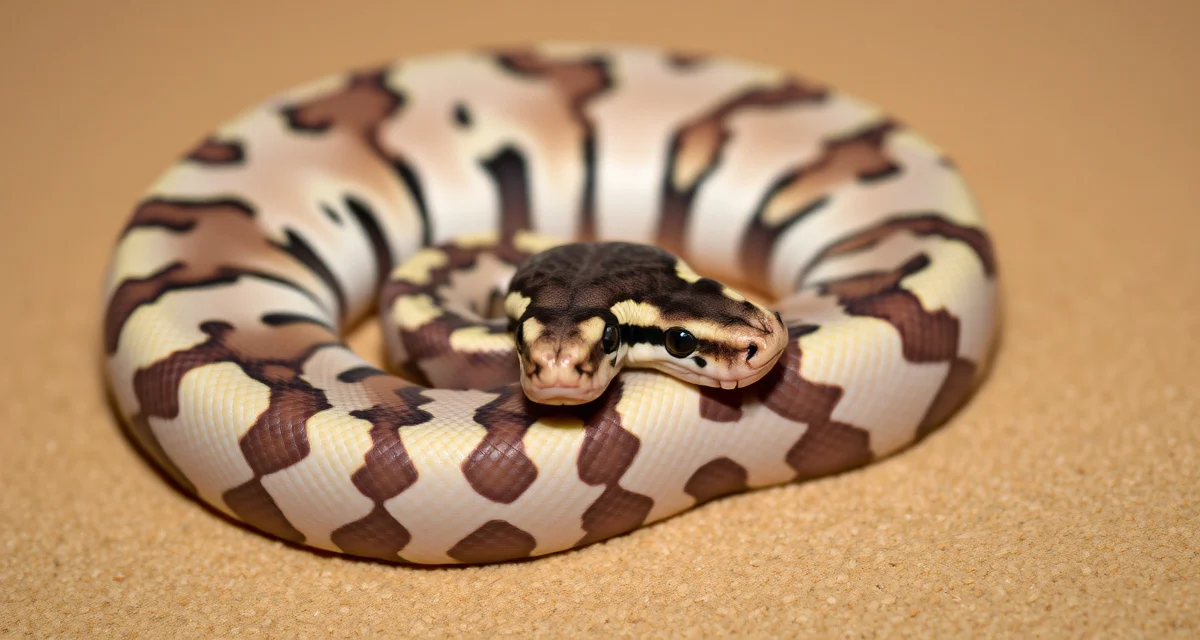
Spider Pied Ball Python: Breeding Odds, Pairings and Market Value
The spider pied ball python is one of the most striking pied combinations in the hobby, and also one that requires the most careful ethical consideration. Spider produces a dramatically reduced, almost web-like pattern that, combined with pied's bold white patches, creates a visually complex and unusual animal. But spider is a gene with neurological implications that every breeder working with it needs to understand.
TL;DR
- The Spider Pied combination requires careful planning across multiple genetic lines before visual animals can be produced.
- Recessive genes in any combination require both parents to carry the gene, making genetics guide the foundation of a successful project.
- Multi-recessive projects typically take 2-4 seasons from acquiring het stock before producing the target combination visual.
- Co-dominant genes in combinations show in single copy, allowing you to confirm the gene visually before selling or retaining animals.
- Documenting parentage for every animal in a multi-gene project is the only reliable way to maintain accurate het claims across generations.
Breeders using integrated software report 30% less time on administrative tasks. In a project with both ethical and genetic complexity, organized record-keeping matters more than most.
The Spider Welfare Consideration
Before discussing how to breed spider pied, it's important to be honest about what spider does. Spider ball pythons can express neurological symptoms, commonly called "wobble", which manifests as balance and head-tracking issues of varying severity. The severity varies across individuals and lines, but it's present in a meaningful percentage of animals.
Responsible breeders who work with spider are aware of this, disclose it to buyers, source from lines with reduced neurological expression where possible, and make informed breeding decisions. This article takes that stance.
If you're going to breed spider pied, do it with full transparency to buyers about what spider carries. Don't advertise spider animals as wobble-free when you can't guarantee it.
How to Breed Spider Pied Ball Pythons
Step 1: Know the Genetics and Ethics Going In
Spider is codominant. The super form (Super Spider) is not known to survive. Spider het pied is what you're working with as a breeding animal, single-gene spider animals that carry het pied.
Pied is recessive. Your standard pied project rules apply: het status needs documentation.
Decide before you start whether spider pied projects align with your program's standards. If you breed spider pied, be fully transparent about it.
Step 2: Choose Your Pairing
Common spider pied pairings:
- Spider het Pied x het Pied: produces spider pieds, spider het pieds, visual pieds, het pieds, normals
- Spider Pied x Normal het Pied: produces spider pieds and het-carrying animals
Do not pair spider to spider, there is no viable super form. Keep your pairings at single-gene spider level.
Use the ball python morph calculator to model your clutch composition.
Step 3: Confirm Pied Het Documentation
Both parents need documented pied het status. Buyers expect pairing records for het animals. Build your project on traceable genetics.
Step 4: Condition Breeders
Females to 1,500g+. Heavy feeding through summer and fall. Temperature drop in October or November. Spider animals breed reliably.
Log every weight and feeding.
Step 5: Introduce and Track Pairings
Evening introductions. Log every introduction and lock. Reintroduce males weekly through breeding season.
Step 6: Track Ovulation
Log ovulation immediately. Pre-lay shed at 30 days. Egg laying at 16-18 days post-shed.
Step 7: Incubate and Process Hatchlings
Eggs at 88-90°F, high humidity. Average clutch: 4-8 eggs. Mark containers with complete pairing data. Hatch window: 54-60 days.
Spider pied hatchlings are visually distinctive. The spider's reduced, web-like pattern combined with pied expression is clear. Sex everything. Disclose spider status to all buyers.
What Spider Pied Ball Pythons Sell For
| Animal | Typical Range |
|--------|--------------|
| Spider het Pied | $200 - $400 |
| Visual Pied | $250 - $500 |
| Spider Pied | $400 - $900 |
| Spider Pied female | $700 - $1,400+ |
| Females | Premium +30-50% |
Spider pied prices are similar to other pied combos at this complexity level. Full disclosure of spider genetics and neurological considerations is non-negotiable.
Common Mistakes in Spider Pied Projects
Not disclosing wobble potential to buyers. This is an ethical issue with real consequences for your reputation. Be transparent.
Pairing spider to spider. There is no viable super spider. Don't attempt it.
Not documenting pied het status. Het animals without documented provenance sell at a discount. Maintain records from day one.
Ignoring financial tracking. The ball python breeding hub covers why clutch-level cost tracking matters for all projects regardless of ethical complexity.
What is the best approach to spider pied ball python?
Work with spider only if you're committed to full disclosure. Source from lines with documented reduced wobble expression where possible. Document het pied status thoroughly. Price spider animals transparently, including information about neurological potential in your listings. Buyers who know what they're getting are better buyers.
How do professional breeders handle spider pied ball python?
Professional breeders working spider pied projects are fully transparent about spider's neurological implications, disclose wobble potential in all listings, maintain complete pairing documentation, and track per-clutch financials like any other project. Their reputation is built on honesty, not on obscuring what these animals carry.
What software helps manage spider pied ball python?
HatchLedger connects breeding records to clutch P&L so you can track spider pied project performance on real numbers. Detailed documentation of pairings and outcomes is especially important in spider projects where buyers need complete information to make informed decisions.
Sources
- USARK (United States Association of Reptile Keepers)
- Association of Reptilian and Amphibian Veterinarians (ARAV)
- MorphMarket (reptile industry market reference)
- World of Ball Pythons (WoBP genetics reference database)
- Reptiles Magazine (Bowtie Inc.)
Track Your Spider Pied Project with Full Transparency
Get Started with HatchLedger
Building a Spider Pied project across multiple seasons means tracking genetics, parentage, and clutch outcomes that compound in complexity year over year. HatchLedger connects all of that data in one system so your project documentation stays accurate from first pairing through final sale. Try it free with up to 20 animals.