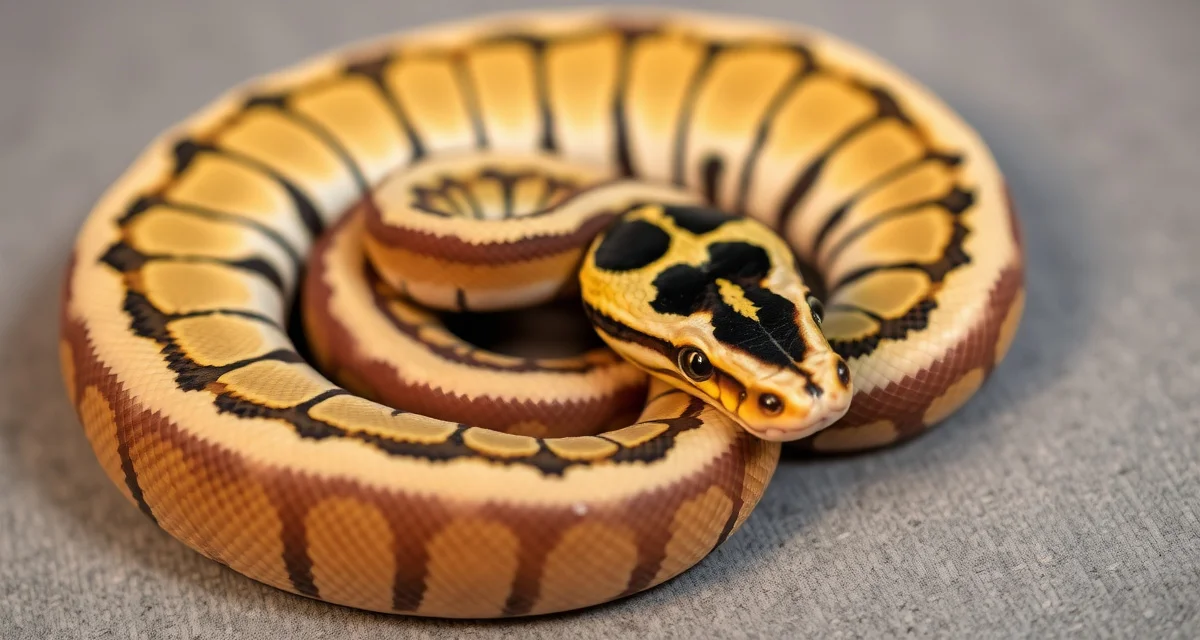
Pinstripe Clown Ball Python: Breeding Odds, Pairings and Market Value
The pinstripe clown ball python is a combination that produces some genuinely unusual-looking animals. Pinstripe reduces the pattern to thin linear stripes and notably alters head patterning. Combined with clown's alien head expression, the result is an animal with a complex, layered pattern character, the pinstripe's linear quality intersecting with the clown's distinct head and body pattern in a way that looks unlike most other clown combos.
TL;DR
- The Pinstripe Clown combination requires careful planning across multiple genetic lines before visual animals can be produced.
- Recessive genes in any combination require both parents to carry the gene, making genetics guide the foundation of a successful project.
- Multi-recessive projects typically take 2-4 seasons from acquiring het stock before producing the target combination visual.
- Co-dominant genes in combinations show in single copy, allowing you to confirm the gene visually before selling or retaining animals.
- Documenting parentage for every animal in a multi-gene project is the only reliable way to maintain accurate het claims across generations.
Breeders using integrated software report 30% less time on administrative tasks. Pinstripe clown projects benefit from that efficiency, particularly when you're managing codominant and recessive genetics simultaneously.
What Makes Pinstripe Clown Interesting
Pinstripe animals often look somewhat similar to each other, but in combination with clown, the interaction between pattern-reducing genes creates real visual diversity. A well-produced pinstripe clown can be a striking, unusual-looking animal that's hard to categorize immediately.
The super pinstripe adds another dimension, nearly pattern-free, with a linear quality that's immediately distinctive. Super pinstripe clown animals are genuinely unusual.
How to Breed Pinstripe Clown Ball Pythons
Step 1: Understand the Genetics
Pinstripe is codominant. Clown is recessive. The combination follows standard codominant x recessive genetics:
- To produce visual pinstripe clowns, you need one parent to be a visual clown and the other to carry at least one pinstripe gene
- The cleanest pairings pair pinstripe het clown to visual clown (or pinstripe clown to normal het clown)
Map your exact clutch composition using the ball python morph calculator.
Step 2: Choose Your Pairing
Productive pinstripe clown pairings:
- Pinstripe het Clown x Clown: produces pinstripe clowns, pinstripe het clowns, visual clowns, het clowns
- Pinstripe Clown x Normal het Clown: produces pinstripe clowns and het carriers
- Pinstripe Clown x Pinstripe het Clown: adds Super Pinstripe Clown possibilities
Super pinstripe clown animals are rare, unusual-looking, and carry notable collector interest. If you're at the stage where you can produce them, they're worth targeting.
Step 3: Condition Breeders
Females to 1,500g+. Heavy feeding through summer and fall. Temperature drop in October or November. Pinstripe and clown animals are reliable breeders with standard conditioning requirements.
Log every weight and feeding.
Step 4: Introduce and Track Pairings
Evening introductions. Log every introduction and lock. Reintroduce weekly through November and December. Pinstripe males breed reliably.
Step 5: Track Ovulation
Log ovulation immediately. Pre-lay shed at 30 days. Egg laying at 16-18 days post-shed.
Step 6: Incubate
Eggs at 88-90°F, high humidity. Average clutch: 4-8 eggs. Mark containers with full pairing data. Hatch window: 54-60 days.
Step 7: Identify and Process Hatchlings
Pinstripe clown hatchlings are identifiable, the linear stripe pattern combined with clown expression is distinct. Super pinstripe animals look nearly pattern-free. Identify carefully against reference animals.
Sex everything before pricing. Pinstripe clown females command a meaningful premium.
What Pinstripe Clown Ball Pythons Sell For
| Animal | Typical Range |
|--------|--------------|
| Pinstripe het Clown | $150 - $300 |
| Visual Clown | $200 - $450 |
| Pinstripe Clown | $400 - $800 |
| Super Pinstripe Clown | $1,000 - $2,200+ |
| Females | Premium +30-50% |
Pinstripe clown is a solid mid-tier clown combo. Super pinstripe clown animals, when produced, are collector-grade animals that move at premium pricing.
Common Mistakes in Pinstripe Clown Projects
Not identifying super pinstripe correctly. The super form looks dramatically different from single-gene pinstripe. Study reference animals.
Undervaluing het clown animals. Pinstripe het clowns from documented pairings sell to breeders building similar projects. Price based on provenance.
Not pairing pinstripe to pinstripe for super form access. If you want super pinstripe clowns, you need two pinstripe animals in the pairing.
Skipping clutch financial tracking. The ball python breeding hub explains why per-clutch cost awareness changes your project evaluation decisions.
What is the best approach to pinstripe clown ball python?
Map your clutch outcomes before pairing and target super pinstripe clown production by pairing pinstripe clown to pinstripe het clown. Know what each category of hatchling, visual clown, pinstripe clown, super pinstripe clown, is worth in the current market so you can price confidently from day one.
How do professional breeders handle pinstripe clown ball python?
Professional breeders document everything, identify super pinstripe animals accurately at hatch, and price het clown animals based on pairing documentation rather than just visual phenotype. They track per-clutch financials and repeat pairings that deliver the best return.
What software helps manage pinstripe clown ball python?
HatchLedger connects breeding records to clutch P&L so you can track pinstripe clown project performance on real numbers. Integrated tracking means you always know your pairing history, production costs, and which projects return the most value.
Sources
- USARK (United States Association of Reptile Keepers)
- Association of Reptilian and Amphibian Veterinarians (ARAV)
- MorphMarket (reptile industry market reference)
- World of Ball Pythons (WoBP genetics reference database)
- Reptiles Magazine (Bowtie Inc.)
Track Your Pinstripe Clown Project with HatchLedger
Get Started with HatchLedger
Building a Pinstripe Clown project across multiple seasons means tracking genetics, parentage, and clutch outcomes that compound in complexity year over year. HatchLedger connects all of that data in one system so your project documentation stays accurate from first pairing through final sale. Try it free with up to 20 animals.