Fire Clown Ball Python: Breeding Odds, Pairings and Market Value
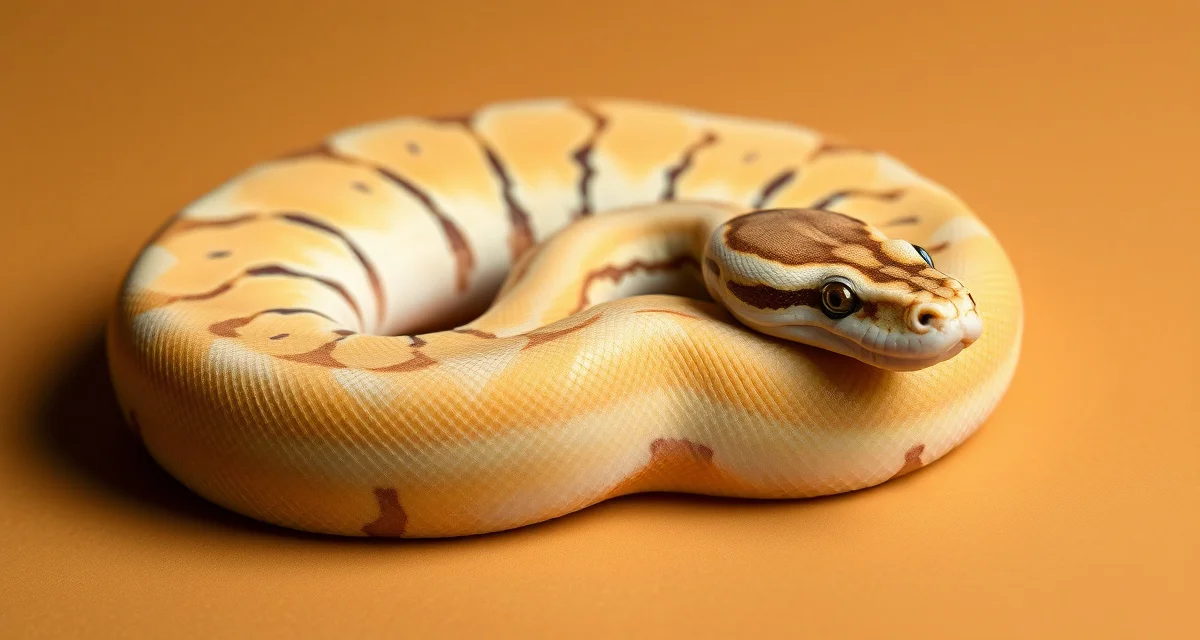
The fire clown ball python is one of the cleaner clown combos on the market. Fire brightens the base color, reduces pattern, and creates an almost ivory background that makes the clown's alien head pattern pop in a distinctive way. The combination is visually clean and photographs well, both things that matter when you're selling online.
TL;DR
- The Fire Clown combination requires careful planning across multiple genetic lines before visual animals can be produced.
- Recessive genes in any combination require both parents to carry the gene, making genetics guide the foundation of a successful project.
- Multi-recessive projects typically take 2-4 seasons from acquiring het stock before producing the target combination visual.
- Co-dominant genes in combinations show in single copy, allowing you to confirm the gene visually before selling or retaining animals.
- Documenting parentage for every animal in a multi-gene project is the only reliable way to maintain accurate het claims across generations.
Fire clown projects are worth understanding in detail before you commit breeding animals. Breeders using integrated software report 30% less time on administrative tasks, which is time better spent on the care and conditioning that drives clutch quality.
The Challenge With Fire Clown Projects
Fire is a codominant gene, and its super form (Fire + Fire, which creates Black-Eyed Lucy or similar BEL complex interaction) creates stunning results when stacked with other BEL complex genes. In fire clown projects specifically, breeders sometimes lose sight of what they're producing versus what they want to produce.
Clown is recessive. That means every fire clown project has a non-trivial percentage of hatchlings that don't express the clown gene visually. If you're not accounting for the het animals in your pricing and marketing strategy, you're leaving money on the table.
How to Breed Fire Clown Ball Pythons
Step 1: Understand Your Pairing Options
Fire clown can be approached from a few angles depending on what animals you have:
- Fire het Clown x Clown: produces fire clowns, fire het clowns, visual clowns, het clowns
- Fire Clown x Normal het Clown: produces fire clowns, fire het clowns, and het-carrying normals
- Fire Clown x Fire het Clown: adds super fire possibilities
Map your clutch composition before pairing with the ball python morph calculator. Know what you're producing before you start.
Step 2: Know the BEL Complex Interaction
Fire is part of the BEL (Blue-Eyed Leucistic) complex. When paired with other BEL complex genes (Lesser, Butter, Russo, Phantom, Mystic), it can produce blue-eyed leucistic animals. If your fire animals also carry any of these genes, your pairing results may include BEL-complex leucistics, which are high-value animals you'll want to plan for rather than be surprised by.
This is especially relevant in multi-gene projects where fire is one of several codominants in the mix.
Step 3: Condition Your Breeding Animals
Females to 1,500g+, well-fed through summer and fall. Fire animals tend to be reliable feeders. Initiate cooling in October or November. Log every weight and feeding. These records matter when you're selling offspring.
Step 4: Introduce and Track Pairings
Evening introductions. Fire males typically breed without issues. Log every introduction and lock. Reintroduce weekly through breeding season.
Keep your pairing records tight. Fire clown pairings that also have BEL complex potential need especially clear documentation.
Step 5: Identify and Log Ovulation
Ovulation is the key checkpoint. Log the date immediately when you see the mid-body swelling. Pre-lay shed at 30 days, egg laying at 16-18 days after. Don't guess the hatch window. Anchor it to the logged ovulation date.
Step 6: Incubate
Eggs at 88-90°F and high humidity. Fire clown clutches run 4-8 eggs typically. Mark containers clearly with all pairing information. Hatch window: 54-60 days.
Step 7: Process Hatchlings
Fire clown hatchlings are visually identifiable. The brightened base and clown expression combination is distinct. Visual clowns without fire also appear in mixed clutches. Hets and fire hets look like fire or normals.
Sex every animal before pricing. Fire clown females command a meaningful premium.
What Fire Clown Ball Pythons Sell For
| Animal | Typical Range |
|--------|--------------|
| Fire het Clown | $150 - $300 |
| Visual Clown | $200 - $450 |
| Fire Clown | $400 - $800 |
| Fire Clown female | $600 - $1,200+ |
| BEL-complex combos (if applicable) | $800 - $2,000+ |
Fire clowns are reliable sellers. The brightened, clean look appeals to buyers who want a striking animal at a reasonable price point. Females move fast.
Common Mistakes in Fire Clown Projects
Missing BEL complex opportunities. If your fire animals carry other BEL complex genes, you might be producing leucistics and not recognizing them. Know your animals' complete genetic background.
Underpricing het animals. Fire het clowns and het clowns from quality pairings have real value to other breeders. Don't race to move them at discount prices.
Not photographing fire clowns well. The brightened, pale coloration of fire clowns can wash out in bad lighting. Good photos affect what you can charge online.
Losing track of clutch costs. Even at modest per-animal prices, fire clown clutches can be profitable or unprofitable depending on your tracking. The ball python breeding hub covers clutch-level financial management.
What is the best approach to fire clown ball python?
Start by mapping your clutch odds for each possible pairing, and identify the BEL complex interactions your fire animals might have. The best pairings are those that give you the highest percentage of high-value animals: visual fire clowns, visual clowns, and leucistic combinations if applicable. Always know your het animal value going in, because that's where most of your volume will be.
How do professional breeders handle fire clown ball python?
Professional breeders working fire clown projects document every aspect of the project from pairing through sale. They know which animals carry BEL complex genes, price their het animals based on documentation quality, and track per-clutch financials so they know whether to repeat a pairing next season or adjust strategy.
What software helps manage fire clown ball python?
HatchLedger connects your breeding logs to clutch financials in one place. For fire clown projects, where individual clutch compositions can vary and het animals make up a large portion of production, having integrated records means you're never guessing on pricing or pairing history.
Sources
- USARK (United States Association of Reptile Keepers)
- Association of Reptilian and Amphibian Veterinarians (ARAV)
- MorphMarket (reptile industry market reference)
- World of Ball Pythons (WoBP genetics reference database)
- Reptiles Magazine (Bowtie Inc.)
Start Tracking Your Fire Clown Project
Get Started with HatchLedger
Building a Fire Clown project across multiple seasons means tracking genetics, parentage, and clutch outcomes that compound in complexity year over year. HatchLedger connects all of that data in one system so your project documentation stays accurate from first pairing through final sale. Try it free with up to 20 animals.