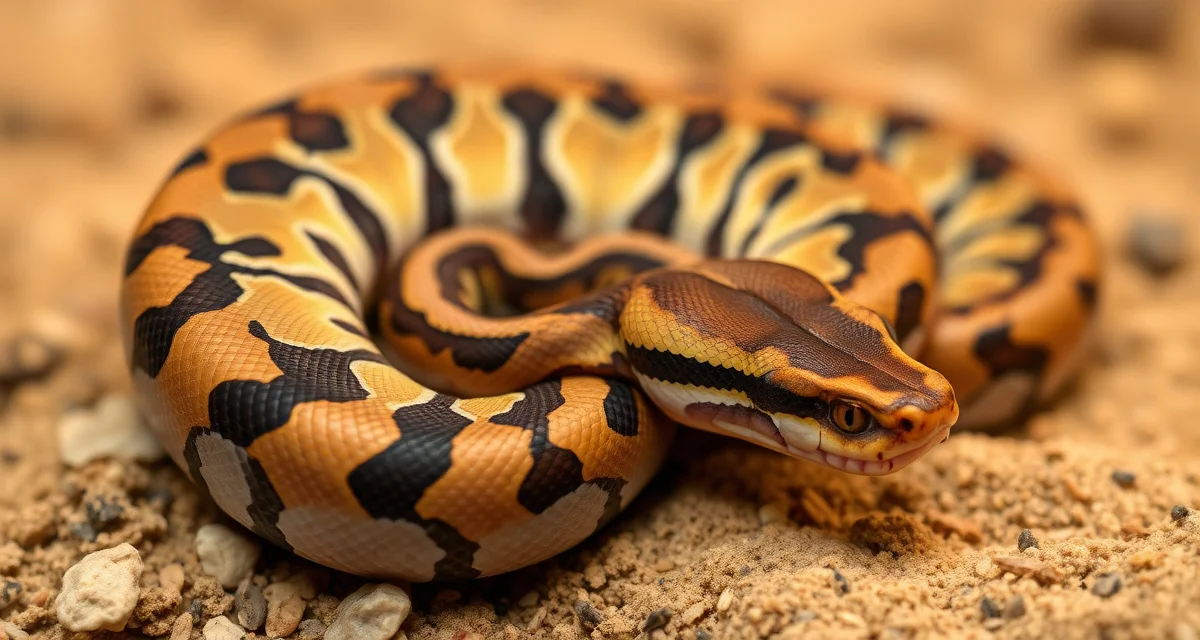
How Breeders Develop New Ball Python Morphs
By HatchLedger Editorial Team · Published 2025-04-29 · Updated Mar 13, 2026
Developing a new ball python morph is one of the most exciting things you can do in this hobby. It's also one of the most expensive, most time-consuming, and most misunderstood. Most people see the finished product, a stunning visual animal with a catchy name, and have no idea how many years of selective pairing, careful documentation, and calculated risk went into producing it.
TL;DR
- Ball python breeding operations require systematic record-keeping from pre-season preparation through end-of-season sales.
- Females at 1,200-1,500g or more are the target weight before introducing them to a breeding male.
- Ovulation detection is the key event that anchors pre-lay shed and lay date calculations.
- Clutch profitability guide depends on understanding actual cost basis per animal, not just gross sale revenue.
- Well-documented animals with complete feeding histories and clear genetic records consistently sell faster and at higher prices.
This guide walks you through the actual process, from spotting an unusual animal to proving out a new gene and establishing it in the market.
What Makes a Ball Python a "New Morph"?
Not every animal with unusual patterning represents a new gene. Litter variation, dietary influences during development, and environmental factors during incubation can all produce animals that look different without carrying a heritable mutation. The key is whether the trait is genetic and consistent across offspring.
A true morph results from a heritable mutation at a specific gene locus. When you breed an unusual animal and the trait shows up predictably in offspring at the expected ratios, you're likely looking at a real gene. When the trait disappears in offspring or shows up randomly with no pattern, you're probably dealing with incubation variation or individual expression.
Step 1: Identifying the Foundation Animal
Everything starts with one animal. Sometimes it's a wild-caught import. Sometimes it's a captive-bred baby that looks different from its clutch mates. Either way, the first step is careful observation and documentation.
You want to photograph the animal extensively and note every detail: pattern breaks, color saturation, head stamp variations, eye color, belly pattern, and any behavioral quirks that show up in morph animals (like the wobble seen in Spiders). Take measurements. Note the lineage if it's known.
This documentation matters later. If you prove out the gene, you'll want receipts showing where the animal came from and what it looked like at different ages.
Step 2: Test Breeding to Identify Inheritance Pattern
The next phase is breeding the foundation animal and analyzing offspring ratios. This takes at least one breeding season, often two or three.
Breeding to wild-type normals is usually the first test. If you get visual offspring in the first generation, the gene is likely dominant or co-dominant. If all offspring look normal but carry something, the gene may be recessive. If roughly half the offspring show the trait, that's a strong signal for dominant inheritance.
Breeding siblings together is how recessive genes get proven out. You breed the F1 offspring (which all appear normal but carry the gene) to each other, and if the gene is recessive, about 25% of that F2 generation will be visual. Seeing that statistical outcome in a real clutch is one of the most satisfying moments in ball python breeding.
The critical data to record at every step:
- Total eggs laid
- Eggs that developed vs. slugs
- Hatchling phenotypes
- Hatchling weights and health
- Any anomalies
Tools like HatchLedger give you a place to attach these observations directly to each clutch record, so you're not hunting through notebooks three years later when you're ready to prove out the gene.
Step 3: Establishing Ratios and Proving the Inheritance Pattern
One or two clutches won't prove anything statistically. You need numbers. Most experienced breeders want to see the expected ratios hold across at least three to five clutches before they're confident in the inheritance pattern.
This is where patience becomes a professional skill. The animals proving out a new gene may not be the ones generating income for years. You're making an investment in a project that might pay off in a decade, or might turn out to be a less interesting visual than you hoped.
The reptile breeder software comparison highlights one major gap in traditional tracking methods: spreadsheets can't easily connect your test pairing data to your financial projections. Breeders using integrated software report 30% less time on administrative tasks, which matters a lot when you're maintaining extra animals strictly for proving out purposes.
Step 4: Naming the Morph
If you've established the inheritance pattern and produced consistent visual offspring, you've got something. Now comes the surprisingly contentious part: naming it.
The ball python community doesn't have a formal regulatory body for morph names, which creates its own complications. Names are essentially first-come, first-served. A few informal conventions have developed:
- Names often reflect appearance (Banana, Clown, Piebald)
- Names sometimes reference geography or the founder (Axanthic lines are named after the breeders who developed them)
- Super forms often just add "Super" to the base name (Super Pastel, Super Mojave)
Pick a name that's distinctive and not already in use. Check MorphMarket's morph database before committing. A duplicate name creates confusion for everyone, including buyers down the line.
Step 5: Building Herd Stock and Scaling
Once you've named the morph and feel confident in the genetics guide, you can start scaling. This means producing enough visual animals and high-percentage hets to supply the initial demand while keeping breeding animals in your collection to sustain the project.
The economic question becomes: how do you price a morph no one has heard of? Early in the process, pricing reflects scarcity plus the cost of the years invested in proving it out. As the morph becomes more recognized and more breeders produce it, prices normalize.
Building in combos starts here too. Pairing your new morph to established recessive genes, dominant enhancers, and popular co-dom morphs helps demonstrate versatility in combos and drives broader breeder interest.
Avoiding Common Development Mistakes
Selling too early. Some breeders rush to market before they've established consistent ratios. If the offspring ratios don't match what was advertised, it damages credibility badly.
Underproducing foundation animals. If your entire project rests on two or three animals and one dies, you lose the project. Diversifying the foundation stock early protects the investment.
Failing to document incubation conditions. Incubation artifacts (pattern and color changes caused by temperature variation) can make normal animals look like morphs. Good incubation records help you distinguish true genetic expression from developmental artifacts.
Confusing line variation with a new gene. Some lines of normals produce consistently different-looking animals due to accumulated polygenic influence. These don't behave like single-gene morphs in test pairings. Doing the test crosses early saves years of effort.
The Role of Record-Keeping in Morph Development
Developing a new morph is fundamentally a multi-year data project. Every clutch, every hatchling, every feeding record, and every health event contributes to the proof. The breeders who develop and successfully market new morphs are almost always meticulous record-keepers.
HatchLedger was built specifically for this kind of work, connecting your husbandry logs to your clutch outcomes and financial data in one place. When you're three years into a proving project and someone asks for your documentation, having clean, organized records is what separates a credible new morph announcement from a speculative claim.
Frequently Asked Questions
What is the best approach to ball python new morph development?
Start with one clear foundation animal and run systematic test pairings before making any public claims. Document every clutch thoroughly, prove the inheritance pattern across multiple seasons, and only begin marketing the morph once you have consistent ratios and enough animals to supply early demand responsibly.
How do professional breeders handle ball python new morph development?
Professional breeders treat morph development as a long-term investment project. They maintain detailed pairing and clutch records, run test crosses with multiple animals over multiple seasons, and are conservative about announcing a new gene until the data is solid. Many use dedicated software to track the genetic lineage and financial investment alongside the biological outcomes.
What records should every reptile breeder maintain per animal?
At minimum: acquisition date and source, morph and genetic documentation, feeding log, weight history, any veterinary treatments, and breeding history including pairing dates, clutch of origin for captive-bred animals, and offspring records. These records serve your own management, buyer documentation, regulatory compliance, and long-term genetic tracking.
How should reptile breeders document genetics for buyers?
A complete genetic record for sale includes the animal's visual morph name, confirmed het genes and their basis (parentage documentation or proven-out production), possible het genes with probability percentages, hatch date, and parent morph information. Including clutch-of-origin records lets buyers independently verify the claims.
What is How Breeders Develop New Ball Python Morphs?
Developing new ball python morphs is the process breeders use to identify, isolate, and prove out heritable genetic mutations that produce unique visual traits in ball pythons. It involves spotting an unusual animal, selectively pairing it to test inheritance patterns, documenting outcomes across multiple generations, and eventually naming and marketing the resulting gene or gene combination to other hobbyists and collectors.
How much does How Breeders Develop New Ball Python Morphs cost?
Developing a new ball python morph is one of the most expensive pursuits in the reptile hobby. Costs vary widely, but breeders typically invest thousands of dollars in quality foundation animals, enclosures, feeders, veterinary care, and years of operational overhead. High-demand proving stock can cost tens of thousands alone. Most projects run three to five or more breeding seasons before a new gene is confirmed and sellable offspring recoup any meaningful portion of the investment.
How does How Breeders Develop New Ball Python Morphs work?
The process starts when a breeder notices an animal with unusual patterning and suspects a genetic cause. They then make strategic pairings to test inheritance, carefully documenting clutch outcomes across generations. If offspring consistently display the trait in predictable ratios, the gene is considered proved. The breeder establishes a name, builds documented lineage records, and introduces the morph to the market through sales and outcrossing to existing genes.
What are the benefits of How Breeders Develop New Ball Python Morphs?
Proving out a new morph gives breeders first-mover advantage in the market, often commanding premium prices before the gene becomes widely available. Beyond financial upside, it contributes genuine genetic diversity to the hobby, advances collective understanding of ball python genetics, and builds a breeder's reputation. Well-documented new genes with clean lineage records also retain long-term value as foundational stock for other breeders building complex combinations.
Who needs How Breeders Develop New Ball Python Morphs?
This process is relevant to serious hobbyists and professional reptile breeders who already have experience managing breeding colonies, tracking clutch data, and understanding ball python genetics. It is not a beginner pursuit. Breeders need the infrastructure to house multiple animals, the patience to work across multi-year timelines, and the financial resilience to absorb seasons where pairings do not produce the expected outcomes or animals do not sell quickly.
How long does How Breeders Develop New Ball Python Morphs take?
Proving a new ball python morph reliably takes a minimum of three to five years from initial observation to confirmed genetic proof and first marketable offspring. Many projects take longer depending on breeding season success rates, clutch sizes, and how many generations are needed to demonstrate consistent inheritance. Establishing market presence and recouping development costs can add several more seasons on top of the core proving timeline.
Related Articles
Sources
- USARK (United States Association of Reptile Keepers)
- Association of Reptilian and Amphibian Veterinarians (ARAV)
- World of Ball Pythons (WoBP genetics reference database)
- MorphMarket (reptile industry marketplace)
- Reptiles Magazine (Bowtie Inc.)
Get Started with HatchLedger
Every part of a ball python breeding operation -- from pairing records to clutch documentation to financial tracking -- works better when the data is connected rather than scattered across notebooks and spreadsheets. HatchLedger is built for exactly that. Try it free with up to 20 animals.