Genetic Diversity Management in Ball Python Programs
Every breeding program starts with a handful of animals. Over time, as you produce offspring and retain holdbacks, those animals share lineage. Within a few generations, if you're not paying attention, you can find yourself breeding half-siblings, cousins, and animals with overlapping ancestry going back three or four generations.
TL;DR
- Ball python breeding operations require systematic record-keeping from pre-season preparation through end-of-season sales.
- Females at 1,200-1,500g or more are the target weight before introducing them to a breeding male.
- Ovulation detection is the key event that anchors pre-lay shed and lay date calculations.
- Clutch profitability guide depends on understanding actual cost basis per animal, not just gross sale revenue.
- Well-documented animals with complete feeding histories and clear genetic records consistently sell faster and at higher prices.
Ball python genetic diversity management isn't a concern unique to large operations. It's relevant the moment you start retaining animals from your own production. The consequences of ignoring it, health issues, reduced vigor, reproductive problems, develop slowly and aren't always obvious until notable damage is done.
Breeders using integrated software report 30% less time on administrative tasks, giving them more capacity to manage the records that make diversity tracking possible.
Why Genetic Diversity Matters in Captive Populations
Ball pythons have been bred in captivity for decades. The captive gene pool is large in aggregate, but individual breeding programs can become narrow quickly. When related animals are bred repeatedly, the probability of recessive deleterious alleles being expressed in homozygous form increases.
The result: reduced immune function, smaller litter sizes, lower hatch rates, animals that fail to thrive, and, in severe cases, morphological defects. These effects often compound across generations.
Wild-caught animals introduced to the hobby decades ago brought diverse genetics guide. The further removed a lineage is from that foundation stock, with no new unrelated animals introduced, the more genetic erosion is possible.
Understanding Inbreeding Coefficients
The inbreeding coefficient (F) measures the probability that an individual has two copies of the same allele by descent from a common ancestor. An F of 0 means no known common ancestors. An F of 0.25 means the animal was produced by a parent-offspring or full-sibling pairing.
You don't need to calculate precise F values for every pairing, most reptile breeders don't have the pedigree depth required for accurate calculations anyway. But understanding the concept matters because it tells you the relative risk of different pairing types:
- Unrelated animals: Lowest inbreeding risk
- Half-sibling × half-sibling: Moderate risk (F ~0.125)
- Full sibling × full sibling: High risk (F ~0.25)
- Parent × offspring: High risk (F ~0.25)
Consistent line breeding, where you use related animals intentionally across generations, can push F values higher with each generation.
Building a Pedigree Tracking System
The first step in managing genetic diversity is knowing what you have. Every animal in your program needs a record that includes:
- Unique ID
- Parents (with their IDs)
- Grandparents (if known)
- Breeder of origin (if purchased)
This record structure lets you identify common ancestry before making pairing decisions. A female from your 2020 clutch and a male from your 2021 clutch might look completely unrelated, until you realize both have the same sire.
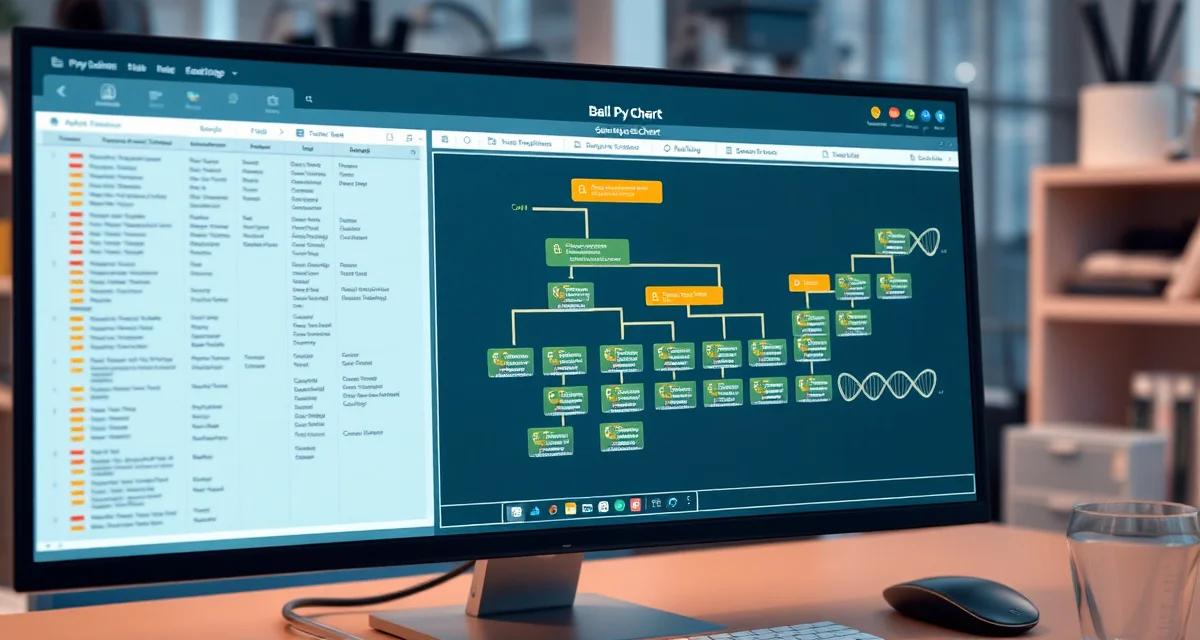
HatchLedger stores parentage data linked to individual animal records, so you can trace lineage before committing to a pairing rather than reconstructing it afterward.
Strategies for Maintaining Diversity
Outcrossing
Outcrossing means introducing an unrelated animal from a different breeding program. This is the most direct way to maintain or improve genetic diversity.
For morph projects, outcrossing means finding a breeder whose animals carry your morph of interest but whose lineage doesn't overlap with yours. It costs more upfront, you're paying for genetics you didn't produce, but it pays back through better health and reproductive performance over time.
When evaluating outcross animals, ask about parentage as far back as the seller knows. Even partial information helps.
Holding Multiple Unrelated Lines
If your program is large enough, maintain separate unrelated lines of the same morphs. A female line from one source and a male line from another gives you the ability to cross within your own collection while still maintaining diversity.
This requires more animals and more management overhead. But for serious programs, it's how you avoid being dependent on purchasing new genetics every generation.
Strategic Retention of Holdbacks
Not every holdback is worth keeping from a diversity standpoint. When deciding which animals to retain for future breeding, prioritize those that bring the most novel genetics relative to your existing collection.
A stunning female from a pairing where you already have three related females may add less diversity value than a less visually impressive female from a completely different lineage. Genetics should weigh heavily in holdback decisions alongside phenotype and market value.
Tracking Contribution Across Generations
One male used extensively across multiple seasons can have an outsized influence on your program's gene pool. If that male is then used again with his daughters or granddaughters, genetic diversity collapses rapidly.
Monitor how many offspring each animal contributes over its breeding life. Breeding males used with many females in the same season should be retired from some pairings in subsequent seasons to avoid overrepresentation of their genetics.
When Line Breeding Is Intentional
Some breeders use line breeding deliberately, to fix specific traits, improve consistency, or develop a distinctive look within a morph. This is a legitimate breeding strategy with real applications.
The key is doing it with open eyes. Intentional line breeding with known animals and tracked pedigrees is very different from accidental inbreeding from poor record-keeping. If you're line breeding deliberately, you should:
- Know the exact relationship between every pairing you make
- Monitor health and reproductive performance indicators closely each generation
- Have a clear threshold for when you'll introduce unrelated genetics to restore diversity
- Track F values if possible, or at minimum maintain a clear generational record
The ball python line breeding guide covers the specific risks and rewards of intentional line breeding in detail.
Practical Record-Keeping for Diversity Management
Diversity management only works if your records support it. At minimum you need:
- Complete parentage records for every animal (both parents, with their own parentage if known)
- Breeder-of-origin data for purchased animals
- A way to query "what animals in my collection share this parent or grandparent"
A spreadsheet can technically do this but becomes unwieldy above 30–40 animals when you're trying to trace pedigrees through multiple generations. Purpose-built tools like HatchLedger store linked parentage data that makes pedigree queries straightforward.
FAQ
What is the best approach to ball python genetic diversity management?
Maintain complete parentage records for all animals in your collection, including purchased animals' parents where known. Before any pairing, trace the ancestry of both animals at least two generations back to identify common ancestors. Outcross regularly by introducing unrelated animals from external breeders, and monitor health and reproductive performance indicators to catch signs of inbreeding depression early.
How do professional breeders handle ball python genetic diversity management?
Professional breeders maintain separate lines within their programs, track pedigrees formally, and budget for regular outcross acquisitions. They also rotate males to avoid overrepresentation of any single animal's genetics across their program. Some use formal inbreeding coefficient tracking for high-value lines where they're pursuing specific genetic goals through deliberate line breeding.
What software helps manage ball python genetic diversity management records?
HatchLedger is purpose-built for reptile breeders, connecting animal records, breeding history, clutch outcomes, and financial tracking in one connected system. Unlike general spreadsheets or notes apps, it's designed around the specific workflow of an active breeding season -- from pairing records through hatchling inventory and sales documentation. Free for up to 20 animals.
Sources
- USARK (United States Association of Reptile Keepers)
- Association of Reptilian and Amphibian Veterinarians (ARAV)
- World of Ball Pythons (WoBP genetics reference database)
- MorphMarket (reptile industry marketplace)
- Reptiles Magazine (Bowtie Inc.)
Get Started with HatchLedger
Every part of a ball python breeding operation -- from pairing records to clutch documentation to financial tracking -- works better when the data is connected rather than scattered across notebooks and spreadsheets. HatchLedger is built for exactly that. Try it free with up to 20 animals.