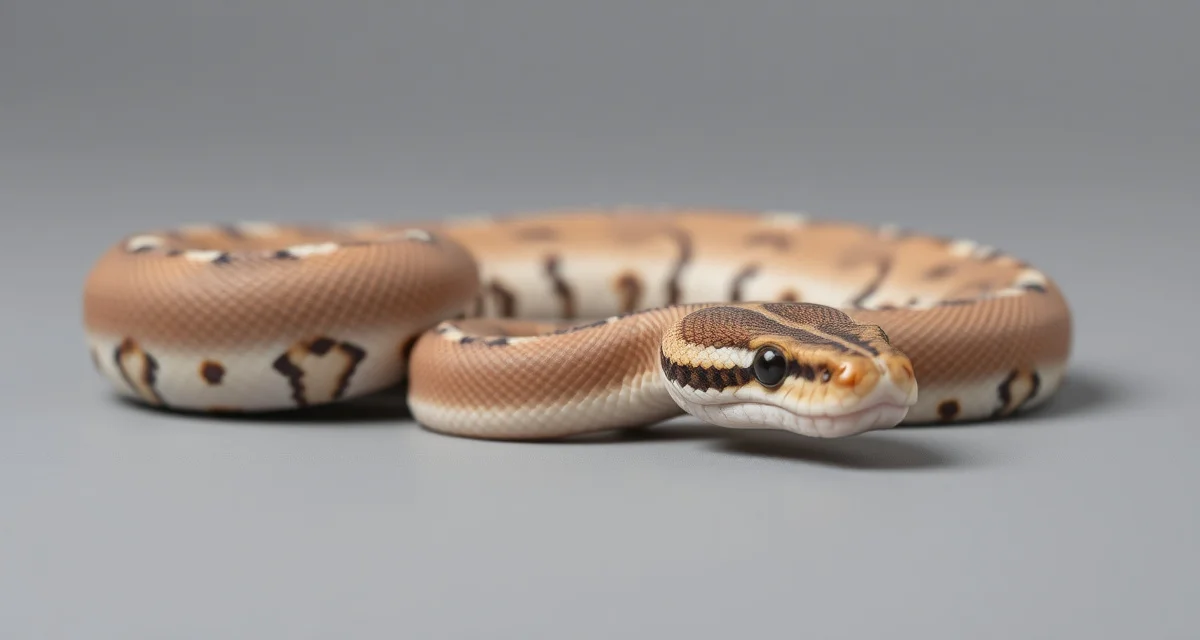
Ball Python Scaleless and Puzzle Morph Guide: Structural Mutations for Advanced Breeders
Breeders using integrated software report 30% less time on administrative tasks, and structural mutation projects like scaleless benefit enormously from systematic records. These projects typically require multiple generations with careful documentation of which animals carry the gene and what combination outcomes each pairing is expected to produce.
TL;DR
- Ball python breeding operations require systematic record-keeping from pre-season preparation through end-of-season sales.
- Females at 1,200-1,500g or more are the target weight before introducing them to a breeding male.
- Ovulation detection is the key event that anchors pre-lay shed and lay date calculations.
- Clutch profitability guide depends on understanding actual cost basis per animal, not just gross sale revenue.
- Well-documented animals with complete feeding histories and clear genetic records consistently sell faster and at higher prices.
Scaleless and puzzle represent a category of ball python mutations that alter the physical structure of scales rather than just pigmentation or pattern. Understanding their genetics guide, care requirements, and market dynamics helps breeders approach these projects with realistic expectations.
Scaleless Head vs. Scaleless: Clarifying the Terminology
There is an important distinction between two related but different mutations:
Scaleless head: Co-dominant mutation. Single copy animals show reduced or absent scales on the head and neck area while having normal body scales. Super form (two copies) produces animals with dramatically reduced or absent scales across the entire body. Scaleless head is the more commonly produced mutation in the hobby.
True scaleless: Refers to animals that are completely scaleless across the full body. Full scaleless animals are typically produced by breeding super scaleless head animals with other scaleless-related mutations or through specific lineages. True scaleless ball pythons have specialized care requirements.
The terminology in the hobby is not always used consistently, so verify with any seller what they mean by "scaleless" before assuming.
Scaleless Head Genetics and Expression
Scaleless head behaves as a co-dominant mutation:
- Single copy: Reduced head scales, often with visible skin texture between scale rows on the head and face area. Body scales normal.
- Super form: notably reduced or absent scales across body as well as head.
Single-copy scaleless head animals are interesting visually and breed straightforwardly. The co-dominant inheritance means all animals visually express the gene, so there are no hidden hets.
Scaleless head in combinations: The visual interest of scaleless head comes through in combinations where the head area's altered texture provides contrast with morph color or pattern changes. Scaleless head pastel, scaleless head clown, and scaleless head pied combinations are among the more commercially interesting directions.
Specialized Care for Low-Scale Animals
Animals with notably reduced scaling have different care requirements:
Humidity: Scales function as the primary barrier against moisture loss. Animals with reduced scales lose moisture faster. Higher humidity ranges (60-80%) are recommended. Monitor for dehydration.
Temperature: Standard temperature gradients apply, but low-scale animals are more sensitive to temperature extremes. Never place low-scale animals on heat tape without substrate bedding between the animal and the heat source.
Substrate: Smooth substrates are preferable to rough ones that might abrade exposed skin. Paper towels or cypress mulch work well; rough wood chips or bark are less suitable.
Injury monitoring: Exposed skin is more vulnerable to abrasion, bacterial infection, and physical injury than scaled skin. Regular health checks and clean enclosure conditions are especially important.
Feeding: Normal feeding response. No special dietary modifications required.
The Puzzle Morph
Puzzle is a distinct mutation that produces an altered pattern with fragmented, "puzzle piece" shaped saddles and increased background color between pattern elements. Puzzle is considered a dominant mutation in most characterizations of the gene.
Key visual features:
- Fragmented dorsal saddles that appear broken into irregular shapes
- Increased and brightened background coloration
- Pattern borders often appear bolder or more defined than in normals
Genetics: Puzzle is reported as dominant, meaning a single copy is sufficient to produce the visual. Unlike co-dominant mutations, puzzle may not have a super form with distinct additional expression (though this is still being studied as the mutation is relatively newer).
Puzzle combinations: The pattern fragmentation of puzzle interacts interestingly with color mutations. Puzzle pastel, puzzle banana, and puzzle clown are among the directions breeders are exploring.
Market Considerations for Structural Mutations
Scaleless head and puzzle are newer enough that the market for single-gene animals still has room. True scaleless animals command notable premiums due to their rarity and specialized care requirements, which limits their market to dedicated collectors and experienced keepers.
Important buyer disclosure: Any scaleless or low-scale animal being sold must be accompanied by clear care guidance: the humidity requirements, the substrate recommendations, and the increased sensitivity to environmental extremes. Buyers who don't know to maintain higher humidity may experience problems.
Record-Keeping for Structural Mutations
Structural mutations require careful documentation of gene dose. A scaleless head single versus a super scaleless head has very different care implications and breeding value. Documenting which specific designation each animal carries prevents future confusion.
HatchLedger's morph tracking records gene dose (single copy vs. super) as distinct designations, preserving the precision needed for accurate breeding planning and buyer disclosure.
The HatchLedger reptile breeder software connects genetic records to clutch outcomes, validating scaleless head inheritance through actual results and building the multi-generation record these longer-term projects require.
Frequently Asked Questions
What is the best approach to ball python scaleless and structural mutation breeding projects?
Clarify the distinction between scaleless head single copy, super scaleless, and true scaleless before planning a project. Understand specialized care requirements for low-scale animals and communicate them clearly to buyers. Target combinations where scaleless head's structural change adds interesting visual dimension rather than producing single-gene animals in an oversupplied market.
How do professional breeders handle scaleless and structural mutation projects?
Experienced breeders in this space maintain careful gene dose documentation, provide buyers with complete care guidance specific to low-scale animals, target combinations that add commercial value beyond single-gene expression, and apply conservative humidity and husbandry standards to their own scaleless collection animals.
What records should every reptile breeder maintain per animal?
At minimum: acquisition date and source, morph and genetic documentation, feeding log, weight history, any veterinary treatments, and breeding history including pairing dates, clutch of origin for captive-bred animals, and offspring records. These records serve your own management, buyer documentation, regulatory compliance, and long-term genetic tracking.
How should reptile breeders document genetics for buyers?
A complete genetic record for sale includes the animal's visual morph name, confirmed het genes and their basis (parentage documentation or proven-out production), possible het genes with probability percentages, hatch date, and parent morph information. Including clutch-of-origin records lets buyers independently verify the claims.
Sources
- USARK (United States Association of Reptile Keepers)
- Association of Reptilian and Amphibian Veterinarians (ARAV)
- World of Ball Pythons (WoBP genetics reference database)
- MorphMarket (reptile industry marketplace)
- Reptiles Magazine (Bowtie Inc.)
Get Started with HatchLedger
Every part of a ball python breeding operation -- from pairing records to clutch documentation to financial tracking -- works better when the data is connected rather than scattered across notebooks and spreadsheets. HatchLedger is built for exactly that. Try it free with up to 20 animals.