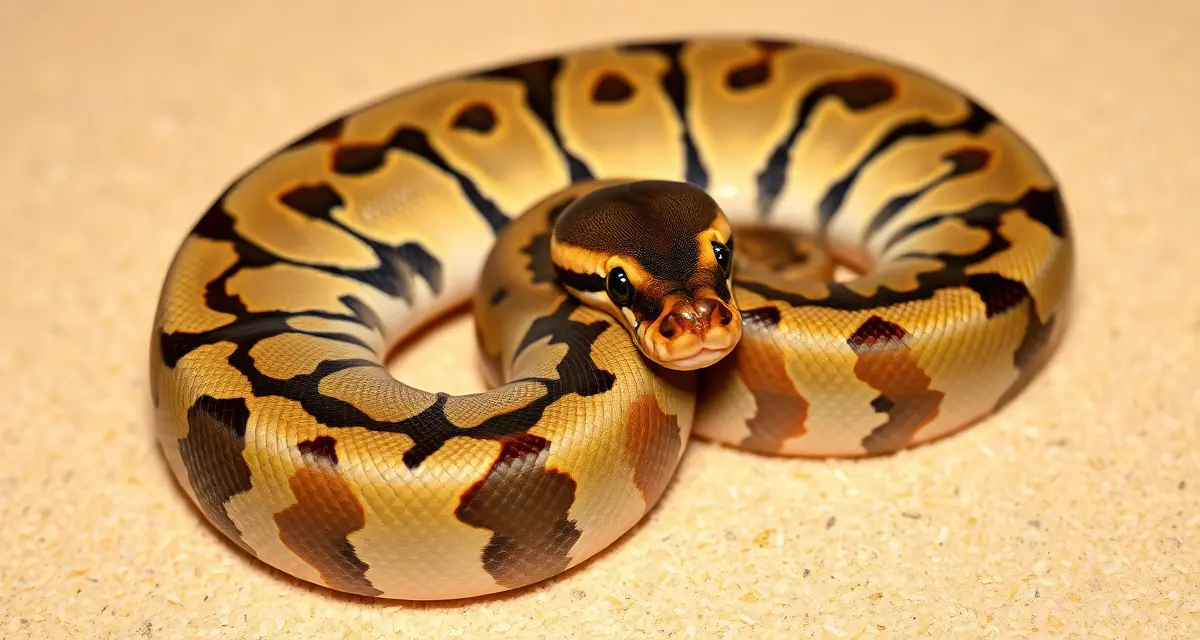
Ball Python Woma and Royal Morph Guide: Pattern Mutations for Breeders
Breeders using integrated software report 30% less time on administrative tasks, and pattern mutation projects like woma benefit from the same careful planning and documentation as any other breeding program. These morphs produce distinctive animals with dedicated buyer followings.
TL;DR
- Ball python breeding operations require systematic record-keeping from pre-season preparation through end-of-season sales.
- Females at 1,200-1,500g or more are the target weight before introducing them to a breeding male.
- Ovulation detection is the key event that anchors pre-lay shed and lay date calculations.
- Clutch profitability guide depends on understanding actual cost basis per animal, not just gross sale revenue.
- Well-documented animals with complete feeding histories and clear genetic records consistently sell faster and at higher prices.
Woma and Royal (also called Hidden Gene Woma/HGW in some circles) are pattern mutations that alter the dorsal pattern in distinctive ways. Understanding their genetics guide, visual characteristics, and combination potential helps breeders plan effective projects.
Woma: Characteristics and Genetics
The woma mutation (named for the Australian woma python, Python ramsayi, which it superficially resembles) produces ball pythons with a reduced dorsal pattern where the typical saddle patterning is broken and disrupted. Woma animals often show "alien head" markings, reduced blushing, and an overall lighter appearance compared to normals.
Inheritance: Woma is co-dominant. Single copy woma animals show the characteristic pattern disruption. Super woma (two copies) produces animals with dramatically reduced pattern.
Key visual features:
- Disrupted or broken dorsal saddles
- "Alien head" markings on the head
- Often lighter background coloration
- Pattern elements appear more fragmented than in normals
Woma was one of the earlier co-dominant mutations established in the hobby. It's been in the market long enough that single-gene womas are relatively accessible, and the value is primarily in combination animals.
The Super Woma Question
Super woma animals (two copies of the woma gene) produce near-patternless animals with notably reduced or absent dorsal patterning. They can appear very similar to super black pastel and other near-patternless morphs from a distance.
Super woma animals appear healthy and have not been associated with the lethal homozygous issues seen in spider. This makes woma more ethically straightforward to work with in breeding pairs (unlike spider, where you can never produce a super).
Hidden Gene Woma (HGW)
Hidden Gene Woma is a related mutation (sometimes considered allelic with spider, sometimes considered part of a broader "spider complex") that produces animals with the spider visual complex in single copy but with distinct pattern characteristics:
- HGW single copy: Pattern similar to woma but with spider-complex neurological considerations
- HGW in combination with spider-complex members: Produces specific visual outcomes
The spider complex and its related members (spider, HGW, and others) are an area of active research and community discussion. The allelic relationships between some of these genes are still being characterized.
Important: Like spider, HGW is considered part of the spider complex and animals carrying HGW have the neurological wobble component. The same ethical considerations and buyer disclosure requirements apply.
Woma Combinations
Woma's pattern disruption adds visual distinctiveness to many combination animals:
Woma Pastel: Brightened, pattern-disrupted animals. The pastel's color enhancement combined with woma's pattern gives a distinctive appearance.
Woma Clown: Pattern disruption applied to the clown pattern. Unusual-looking animals.
Woma Pied: Pied's white combined with woma's disrupted patterned sections.
Woma BEL-complex combinations: Adding woma to Mojave or Lesser produces animals with a specific visual effect in the single-copy form.
Planning Woma Projects
Since woma is co-dominant with a healthy super form:
- Woma x Normal: 50% woma, 50% normal
- Woma x Woma: 25% super woma, 50% woma, 25% normal
- Super woma x Normal: 50% woma, 50% normal
Planning woma combination projects follows the standard co-dominant framework. No proving-out required; all animals visually express the gene.
Market Assessment
Woma is a mature morph with a modest but consistent market. Single-gene womas and super womas are accessible pricing. Woma combinations with recessive genes or popular co-dominants are where the interesting market opportunities exist.
If you're planning a woma project primarily for commercial reasons, research current prices for your specific targets. Woma has been in the hobby for decades and single-gene demand reflects that maturity.
Ethical Note on HGW
If you work with HGW or any spider-complex related mutation, apply the same ethical standards as for spider:
- Disclose the neurological component to every buyer
- Provide buyer information about management for wobble
- Don't sell animals with neurological conditions as "healthy" without qualification
Record-Keeping for Woma Projects
Track woma, super woma, and HGW as distinct entries in your morph records. For animals in the spider complex, clear documentation of which specific gene they carry matters both for breeding planning and for accurate buyer disclosure.
HatchLedger's morph tracking lets you record each specific gene with clarity, preventing the confusion that happens when "spider complex" is used as a catch-all without specifying which member.
The HatchLedger reptile breeder software connects genetic records to breeding outcomes, validating woma inheritance through actual clutch results.
Frequently Asked Questions
What is the best approach to ball python woma and royal morph breeding?
Woma is a co-dominant with a healthy super form, making it straightforward to breed toward super womas without the lethal homozygous concerns of spider. Target combination animals where woma's pattern disruption adds visual distinctiveness. Be clear about the HGW/spider-complex distinction and apply appropriate ethical standards if working with HGW.
How do professional breeders handle woma morph breeding projects?
Experienced breeders working with woma maintain clear distinction between woma and HGW in their records, target combination animals where woma adds meaningful visual value, and apply the same buyer disclosure standards to any spider-complex-related mutations as they would to plain spider.
What records should every reptile breeder maintain per animal?
At minimum: acquisition date and source, morph and genetic documentation, feeding log, weight history, any veterinary treatments, and breeding history including pairing dates, clutch of origin for captive-bred animals, and offspring records. These records serve your own management, buyer documentation, regulatory compliance, and long-term genetic tracking.
How should reptile breeders document genetics for buyers?
A complete genetic record for sale includes the animal's visual morph name, confirmed het genes and their basis (parentage documentation or proven-out production), possible het genes with probability percentages, hatch date, and parent morph information. Including clutch-of-origin records lets buyers independently verify the claims.
Sources
- USARK (United States Association of Reptile Keepers)
- Association of Reptilian and Amphibian Veterinarians (ARAV)
- World of Ball Pythons (WoBP genetics reference database)
- MorphMarket (reptile industry marketplace)
- Reptiles Magazine (Bowtie Inc.)
Get Started with HatchLedger
Every part of a ball python breeding operation -- from pairing records to clutch documentation to financial tracking -- works better when the data is connected rather than scattered across notebooks and spreadsheets. HatchLedger is built for exactly that. Try it free with up to 20 animals.