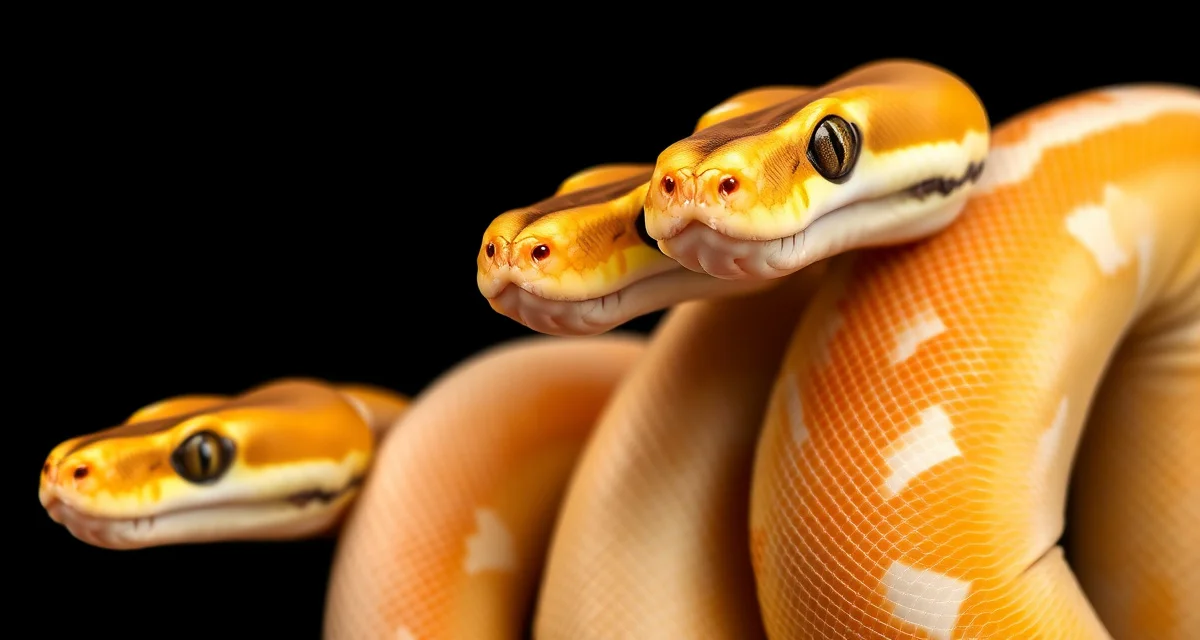
Ball Python Pastel Morph Complex: Super Pastel, Yellowbelly, and Gravel
By HatchLedger Editorial Team · Published 2025-04-27 · Updated Mar 13, 2026
Breeders using integrated software report 30% less time on administrative tasks, and for working with pastel complex morphs, organized records are essential. The pastel group includes multiple co-dominant genes that interact visually in ways that can be confusing without systematic documentation.
TL;DR
- Ball python breeding operations require systematic record-keeping from pre-season preparation through end-of-season sales.
- Females at 1,200-1,500g or more are the target weight before introducing them to a breeding male.
- Ovulation detection is the key event that anchors pre-lay shed and lay date calculations.
- Clutch profitability guide depends on understanding actual cost basis per animal, not just gross sale revenue.
- Well-documented animals with complete feeding histories and clear genetic records consistently sell faster and at higher prices.
Pastel is the most widely held co-dominant gene in the ball python hobby. It's in nearly every collection and has been combined with virtually every other morph over the decades since its introduction. Understanding the pastel complex, including related genes like Yellowbelly and the more recently identified Gravel, is fundamental knowledge for modern ball python breeders.
Pastel: The Most Common Co-Dominant
The pastel gene brightens yellow coloration, reduces the brown elements of the pattern, and often produces cleaner, whiter belly scales. Single-copy pastel animals are recognizable by their enhanced yellow and cleaner pattern. Super pastel (two copies) intensifies these effects: brighter, higher-contrast animals with heavily reduced dark patterning.
Co-dominant inheritance:
- Pastel x Normal: 50% pastel, 50% normal
- Pastel x Pastel: 25% super pastel, 50% pastel, 25% normal
- Super pastel x Normal: 50% pastel, 50% normal (no supers from this cross)
Pastel adds value to virtually any combination. The brightening effect enhances yellow in any morph that has yellow. Combined with morphs that have dramatic pattern (clown, pied, spider), pastel creates more vibrant animals that command premiums.
Super Pastel Expression
Super pastel animals are typically much lighter than single-copy pastels, with high yellow and reduced pattern contrast. Some super pastels have very little visible pattern on their dorsal surface. The visual effect is dramatic.
One important note: super pastels often "mud out" as they age if they don't have additional genes to maintain contrast and brightness. Adding additional genes like yellowbelly can help maintain color quality into adulthood.
Yellowbelly and the Ivory
Yellowbelly is a co-dominant gene with a specific interaction: the super form of Yellowbelly is Ivory, a nearly solid-yellow animal.
Single-copy Yellowbelly animals show specific visual characteristics: clean, solid yellow belly (the namesake), often with a yellow "blush" extending up the sides, and subtly altered pattern. In many specimens, single-copy Yellowbelly is subtle enough to be missed without careful examination.
The Ivory (super Yellowbelly) is more striking: a yellow-white animal with minimal visible pattern, black eyes.
The Pastel-Yellowbelly Interaction:
When pastel and Yellowbelly are combined in one animal, you get the foundation for some of the hobby's most popular leucistic-like animals:
- Pastel Yellowbelly: enhanced brightening, clean appearance
- Super Pastel Yellowbelly: extremely bright, near-ivory animal
- Yellowbelly combinations with other BEL complex members can interact to produce blue-eyed leucistic animals in some combinations
Yellowbelly is technically related to the BEL complex. Understanding exactly how it fits into that group is an evolving area of genetics guide research.
Gravel
Gravel is a more recently established co-dominant mutation. Single-copy Gravel shows moderate changes to coloration and pattern. The super form of Gravel (super Gravel) produces a distinctive appearance that has attracted a dedicated following.
Like other co-dominant genes, Gravel follows straightforward inheritance:
- Gravel x Normal: 50% Gravel, 50% normal
- Gravel x Gravel: 25% super Gravel, 50% Gravel, 25% normal
Gravel has been combined with many other morphs and continues to be an area of active development in the hobby. The super Gravel's appearance in combination with other genes produces interesting results.
The Challenge of Distinguishing Related Genes
One practical challenge in the pastel complex area: distinguishing between some of these related genes visually can be genuinely difficult, particularly for newer breeders or without documentation of the animals' lineage.
Pastel vs. normal can sometimes be uncertain in animals without strong expression. Yellowbelly vs. normal is often subtle enough that experienced breeders have "misread" it. Gravel identification requires familiarity with the specific morph.
When uncertain, document the uncertainty rather than confidently misidentifying.
Pastel Combinations: The Most Common Path to High-Value Animals
Because pastel is so widely held, it ends up in the majority of combination animals:
- Pastel pied: bright patterned sections against pied white
- Pastel clown: enhanced yellow in clown's distinctive banding
- Pastel spider (Bumblebee): one of the classic high-yellow combinations
- Pastel banana: two brightening genes producing very intense yellow-orange animals
Planning any breeding project that involves co-dominant genes often includes pastel simply because so many animals in the gene pool carry it.
Market Considerations
Plain pastel animals are one of the most affordable and widely available morphs in the hobby. Super pastels trade similarly. The value of the pastel gene is primarily as a component of combination animals rather than as a single-gene product.
Yellowbelly single copy is reasonably priced; Ivory (super Yellowbelly) commands more. Gravel is still developing its market position as more breeders work with it.
Focus pastel-complex combinations on targets where the brightening effect of pastel adds meaningful visual value: pied combinations, clown combinations, and BEL-adjacent projects.
Track all animals carrying pastel, Yellowbelly, or Gravel genes accurately in HatchLedger's morph records. For animals that carry multiple related co-dominant genes, clear labeling of each confirmed gene prevents the confusion that leads to mislabeled offspring.
The HatchLedger reptile breeder software connects morph records to breeding outcomes, validating co-dominant gene inheritance through actual clutch results.
Frequently Asked Questions
What is the best approach to ball python pastel complex breeding?
Pastel is most valuable as a component of combination animals. Learn to distinguish the closely related genes (pastel, Yellowbelly, Gravel) before representing animals with specific designations. Use pastel to brighten combination animals that benefit from enhanced yellow, and understand the super form outcomes before planning Yellowbelly or Gravel pairings.
How do professional breeders handle pastel complex genetics?
Experienced breeders know pastel is in most of their collection and make sure it's accurately documented for every animal. They're familiar with the subtle visual characteristics that distinguish related co-dominant genes and consult with experts when uncertain. They plan pastel combinations based on the brightening effect's visual impact on the other genes in the combination.
What records should every reptile breeder maintain per animal?
At minimum: acquisition date and source, morph and genetic documentation, feeding log, weight history, any veterinary treatments, and breeding history including pairing dates, clutch of origin for captive-bred animals, and offspring records. These records serve your own management, buyer documentation, regulatory compliance, and long-term genetic tracking.
How should reptile breeders document genetics for buyers?
A complete genetic record for sale includes the animal's visual morph name, confirmed het genes and their basis (parentage documentation or proven-out production), possible het genes with probability percentages, hatch date, and parent morph information. Including clutch-of-origin records lets buyers independently verify the claims.
What is Ball Python Pastel Morph Complex: Super Pastel, Yellowbelly, and Gravel?
The Ball Python Pastel Morph Complex refers to a group of related co-dominant genes — Pastel, Super Pastel, Yellowbelly, and Gravel — that influence coloration and pattern in ball pythons. Pastel brightens yellow tones, Super Pastel is the homozygous form with intensified effects, Yellowbelly adds subtle belly patterning, and Gravel is a more recently identified related gene. Together, these genes interact visually in complex ways, making them a foundational group for modern ball python breeding programs.
How much does Ball Python Pastel Morph Complex: Super Pastel, Yellowbelly, and Gravel cost?
Pricing varies widely based on gene combinations and market demand. Single-gene Pastels are among the most affordable morphs, often $50–$150, due to their abundance. Super Pastels typically range $100–$300. Yellowbelly and Gravel animals, especially in combination with other morphs, can command $200–$1,000+. Rare multi-gene combinations featuring these genes alongside high-demand morphs like Clown or Pied can reach several thousand dollars. Always verify genetic documentation before purchasing.
How does Ball Python Pastel Morph Complex: Super Pastel, Yellowbelly, and Gravel work?
These genes work through co-dominance, meaning one copy produces a visible effect and two copies (homozygous) produce a more extreme version. Pastel brightens yellow pigmentation; Super Pastel intensifies this further and often shows a busy, high-contrast pattern. Yellowbelly and Gravel are allelic or closely related genes that subtly alter belly scales and body pattern. Breeding two co-dominants together produces 25% homozygous offspring, making outcome prediction straightforward with proper record-keeping.
What are the benefits of Ball Python Pastel Morph Complex: Super Pastel, Yellowbelly, and Gravel?
These morphs offer breeders significant versatility and market value. Pastel is a proven enhancer that improves the visual appeal of nearly any combination. Super Pastel can unlock dramatic pattern changes in multi-gene animals. Yellowbelly is a key ingredient in producing the highly sought Ivory morph. Gravel opens new visual directions as its interactions are still being documented by the community. Collectively, they provide accessible entry points and scalable project depth for breeders at any level.
Who needs Ball Python Pastel Morph Complex: Super Pastel, Yellowbelly, and Gravel?
Any ball python breeder, from hobbyist to commercial operation, benefits from understanding the Pastel complex. Beginners find Pastel an affordable, forgiving starting morph. Intermediate breeders use it to enhance other projects. Advanced breeders leverage Yellowbelly for Ivory production or explore Gravel combinations. Even keepers focused on genetics education will find these morphs ideal for demonstrating co-dominance principles. Organized record-keeping software is especially useful when tracking multiple interacting genes across clutches.
How long does Ball Python Pastel Morph Complex: Super Pastel, Yellowbelly, and Gravel take?
Breeding timelines for Pastel complex projects follow standard ball python cycles. Breeding season typically runs October through February. Females should reach 1,200–1,500g before introduction. After ovulation, the pre-lay shed occurs roughly 30 days later, with egg laying following within two weeks. Incubation takes approximately 55–60 days at 88–90°F. From pairing to hatchlings, expect six to nine months. Tracking ovulation dates carefully anchors all downstream timeline calculations for each clutch.
Related Articles
Sources
- USARK (United States Association of Reptile Keepers)
- Association of Reptilian and Amphibian Veterinarians (ARAV)
- World of Ball Pythons (WoBP genetics reference database)
- MorphMarket (reptile industry marketplace)
- Reptiles Magazine (Bowtie Inc.)
Get Started with HatchLedger
Every part of a ball python breeding operation -- from pairing records to clutch documentation to financial tracking -- works better when the data is connected rather than scattered across notebooks and spreadsheets. HatchLedger is built for exactly that. Try it free with up to 20 animals.