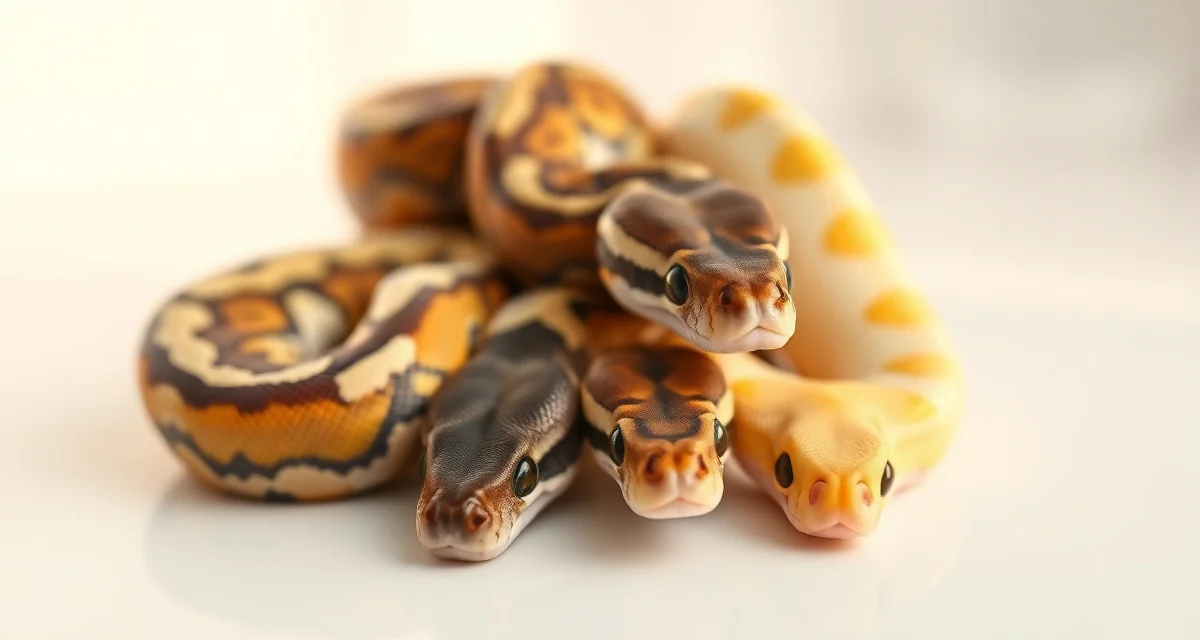
Ball Python Axanthic Morph Breeding: VPI, TSK, and Marcus Wettstein Lines
Breeders using integrated software report 30% less time on administrative tasks, and axanthic projects in particular benefit from precise records. The different axanthic lines are non-allelic, meaning mixing lines in a pairing produces animals that are het for each line but visual for neither. Keeping lines straight requires good documentation.
TL;DR
- Ball python breeding operations require systematic record-keeping from pre-season preparation through end-of-season sales.
- Females at 1,200-1,500g or more are the target weight before introducing them to a breeding male.
- Ovulation detection is the key event that anchors pre-lay shed and lay date calculations.
- Clutch profitability guide depends on understanding actual cost basis per animal, not just gross sale revenue.
- Well-documented animals with complete feeding histories and clear genetic records consistently sell faster and at higher prices.
Axanthic ball pythons are among the most elegant animals in the hobby. The complete or near-complete absence of yellow and orange pigmentation produces animals with a black, white, and gray appearance that's visually striking and unlike any other ball python morph. Axanthic animals appear almost like grayscale photographs of normal ball pythons.
The Axanthic Condition
Axanthia is a condition where xanthophores (yellow/orange pigment-producing cells) are absent or non-functional. The result is an animal that retains all melanin (black/brown) pigmentation but has no yellow or orange. The typical brown and yellow tones of a normal ball python are replaced with black, gray, and white.
Axanthic ball pythons are visually similar to black and white photographs of normal snakes. The pattern remains; the color is absent.
Like albino, axanthic is recessive, meaning two copies are required for visual expression. Unlike albino, where different types can't complement each other, axanthic lines have a similar naming challenge: there are multiple independent mutations that produce the axanthic phenotype.
The Major Axanthic Lines
VPI Axanthic (Vision Reptiles Preservation Index): One of the first established axanthic lines, developed by Vision Reptiles. VPI axanthics tend to "brown out" as they age, developing brown tones that were initially absent. This is one distinguishing characteristic of the VPI line.
TSK Axanthic (The Snake Keeper): A different genetic line that appears to maintain better grayscale contrast into adulthood without browning as notably as VPI. TSK axanthics have a strong following among breeders who prioritize adult color quality.
Marcus Wettstein (MW) Axanthic: Another independent line with slightly different expression characteristics.
Other lines: The axanthic community has identified additional independent axanthic mutations. When a new axanthic appears in the hobby, its allelism (whether it complements or doesn't complement existing lines) needs to be established through test crosses.
Why Lines Matter: Non-Allelism
Two different axanthic mutations are at different loci (non-allelic). This means a snake het for VPI axanthic bred to a snake het for TSK axanthic produces offspring that are het for each, but visual for neither. Only same-line crosses produce visual offspring.
This is the same fundamental genetic principle as different albino lines (T-positive vs. T-negative albino). You must maintain clear records of which axanthic line each animal carries.
A common and costly mistake: purchasing animals with no line documentation as "het axanthic" and breeding them to an animal from a known line, then being confused when no visual axanthics appear. The incompatible lines cancel each other out visually.
Working Within a Single Line
Once you've committed to a specific axanthic line, the project follows standard recessive genetics guide:
- Het axanthic x Het axanthic: 25% visual, 50% het, 25% normal
- Visual axanthic x Het axanthic: 50% visual, 50% het
- Visual axanthic x Visual axanthic: 100% visual
To avoid line confusion, purchase animals with clear documentation of which line they carry, source from breeders with transparent records, and maintain line tracking in your own records.
Axanthic Combinations
Axanthic is a foundation gene for some classic and highly desired combinations:
Axanthic pied (Axpied): The grayscale of axanthic combined with pied's white produces some of the most visually dramatic animals in the hobby. The absence of yellow means the contrast between gray/black and white is extremely clean.
Axanthic albino (Sable / Snow): Combining two pigment-reduction mutations. The result is an extremely pale animal. Classic name for some of these combinations: "snow" ball pythons (axanthic albino in certain combinations).
Axanthic spider (Bumblebee... no, that's pastel spider): Actually called "Bumble Bee minus the yellow" informally. Axanthic spider and related combinations create pattern expression in grayscale.
Axanthic pastel: Pastel normally brightens yellow tones; in an axanthic, there's no yellow to brighten. The combination creates interesting effects in the lightening and pattern elements.
Super axanthic: Two copies of axanthic from the same line. Near-black animals with minimal visible pattern.
Current Axanthic Market
Visual axanthic animals sell for $150-400 depending on line, quality, and sex. Axanthic pied and other high-value combinations command notably more.
TSK axanthics have historically commanded a modest premium over VPI due to the browning issue in VPI animals. Research current market prices before committing to a specific line project.
Record-Keeping for Axanthic Lines
Every axanthic animal in your collection needs its line clearly documented: VPI, TSK, MW, or other. This information needs to be in the record from the day of acquisition and transfer correctly when you sell animals.
HatchLedger's morph records let you record not just "axanthic het" but "het axanthic (TSK line)" or "het axanthic (VPI line)," maintaining the line specificity that makes your records actually useful for breeding planning.
When producing animals to sell, include line documentation in your listings and buyer communications. A buyer who knows they're getting TSK het axanthics from a reputable TSK axanthic project has much more to work with than a buyer getting vague "het axanthic" animals.
The HatchLedger reptile breeder software tracks per-project P&L for axanthic projects, helping you evaluate return on each line investment.
Frequently Asked Questions
What is the best approach to ball python axanthic morph breeding?
Choose a single axanthic line (VPI, TSK, or MW) and maintain clear records of line identity for every animal. Never mix lines without understanding the genetic consequences (non-allelic lines won't produce visual offspring when crossed). Target axanthic pied and other combination animals for the strongest market outcomes.
How do professional breeders handle ball python axanthic breeding?
Experienced breeders maintain strict line tracking for every axanthic animal, clearly document line identity in all animal records and buyer communications, and avoid acquiring axanthic animals without line documentation. They test unfamiliar axanthic animals for allelism before including them in an established project.
What records should every reptile breeder maintain per animal?
At minimum: acquisition date and source, morph and genetic documentation, feeding log, weight history, any veterinary treatments, and breeding history including pairing dates, clutch of origin for captive-bred animals, and offspring records. These records serve your own management, buyer documentation, regulatory compliance, and long-term genetic tracking.
How should reptile breeders document genetics for buyers?
A complete genetic record for sale includes the animal's visual morph name, confirmed het genes and their basis (parentage documentation or proven-out production), possible het genes with probability percentages, hatch date, and parent morph information. Including clutch-of-origin records lets buyers independently verify the claims.
Sources
- USARK (United States Association of Reptile Keepers)
- Association of Reptilian and Amphibian Veterinarians (ARAV)
- World of Ball Pythons (WoBP genetics reference database)
- MorphMarket (reptile industry marketplace)
- Reptiles Magazine (Bowtie Inc.)
Get Started with HatchLedger
Every part of a ball python breeding operation -- from pairing records to clutch documentation to financial tracking -- works better when the data is connected rather than scattered across notebooks and spreadsheets. HatchLedger is built for exactly that. Try it free with up to 20 animals.