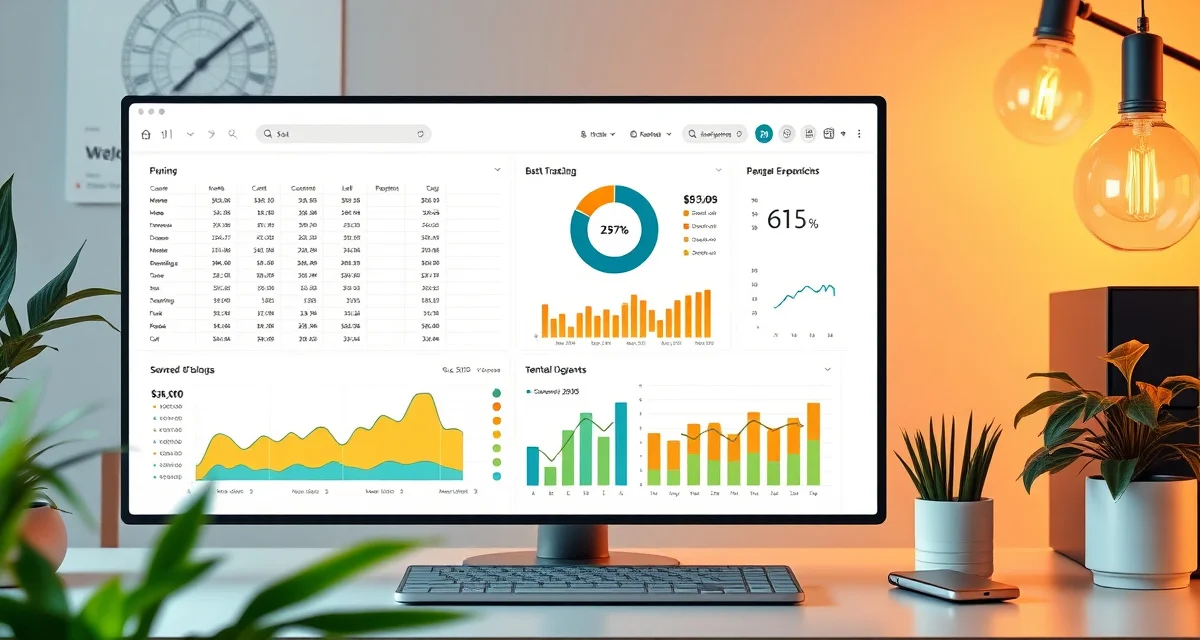
Ball Python Collection Financial Management: Revenue, Costs, and Tax Basics for Breeders
Breeders using integrated software report 30% less time on administrative tasks, and financial record-keeping is where that time savings compounds into real money. You can't make good business decisions without good financial data, and most breeders don't have it.
TL;DR
- Ball python breeding operations require systematic record-keeping from pre-season preparation through end-of-season sales.
- Females at 1,200-1,500g or more are the target weight before introducing them to a breeding male.
- Ovulation detection is the key event that anchors pre-lay shed and lay date calculations.
- Clutch profitability guide depends on understanding actual cost basis per animal, not just gross sale revenue.
- Well-documented animals with complete feeding histories and clear genetic records consistently sell faster and at higher prices.
Running a ball python breeding operation involves notable cash flows: animals bought and sold, equipment purchased, feeders ordered monthly, veterinary bills, show fees, and eventually tax obligations. Without systematic tracking, you're guessing about profitability and potentially missing tax deductions.
Revenue Streams in a Breeding Operation
Animal sales: The primary revenue source. Every hatchling, juvenile, and adult sold generates revenue. Track each sale with the animal ID, sale price, sale date, and sales channel.
Stud fees: If you rent your male's genetics guide to another breeder for a pairing, this is income. Less common than direct animal sales but worth tracking if you do it.
Sale of breeding animals: When you retire a breeding female or sell project animals, the sale proceeds are income.
Educational or content income: Some breeders monetize content creation, workshops, or consulting. Track this separately.
Operating Expense Categories
Animal acquisition costs: Purchase prices for breeding stock, project animals, and any animals acquired during the season.
Feeding costs: Monthly feeder purchases. This is your largest recurring cost.
Housing and equipment: Rack systems, enclosures, thermostats, heat tape, hides, water bowls, substrate. Amortize large equipment purchases over their useful life (a rack that lasts 10 years has 1/10th of its cost as an annual expense).
Electricity: Your reptile room consumes measurable electricity. Calculate using actual wattage of all heating elements and lighting, multiplied by your local utility rate and hours of operation. For a room with 30 tubs on heat tape plus lighting and incubation, this often runs $50-200/month.
Incubation costs: Substrate, containers, incubator electricity.
Veterinary costs: Annual or event-based. Including fecal testing, illness treatment, and routine wellness visits.
Show and selling fees: Table fees for expos, Morph Market or other platform fees, listing costs.
Shipping supplies: Boxes, insulated packaging, heat/cool packs for live animal shipping.
Software and tools: Including breeding management software, scale calibration, thermometer batteries.
Insurance: Some breeders carry insurance for their collections.
Tracking Costs to Specific Projects
The most valuable financial discipline is allocating costs to specific breeding projects or animals rather than tracking only at the collection level. When you know that your pied project cost $3,400 in acquisition costs and $800 in feeding/housing over 2 years, and the clutch generated $4,200 in sales, you have a real ROI figure: $4,200 / $4,200 = ~0% ROI (broke even) rather than the $4,200 in "profit" that ignores the investment.
This reality check changes how you evaluate breeding projects.
Business Structure Considerations
How you operate financially (as a sole proprietor, LLC, or other structure) has tax and liability implications. A brief overview:
Sole proprietor: The default when you do nothing. Business income is reported on Schedule C of your personal tax return. Simple but provides no personal liability protection.
Limited Liability Company (LLC): Provides personal liability protection. In most states, can be taxed as a pass-through entity (similar to sole proprietor taxes) or elected to be taxed as an S corporation.
S Corporation: More complex but can reduce self-employment taxes for profitable operations.
Consult with a tax professional who understands small business to determine the best structure for your situation. This advice is general; your specific circumstances matter.
Hobby Loss Rules and the IRS
The IRS distinguishes between businesses (that intend to make a profit) and hobbies (primarily personal activities). If your operation is classified as a hobby:
- You can deduct expenses only up to your hobby income (no losses to offset other income)
- Certain deductions may not be available
To demonstrate business intent (rather than hobby status), the IRS looks at:
- Whether you depend on the activity for income
- Whether you make a profit in some years
- Whether you conduct the activity in a businesslike manner (including maintaining records)
- Whether you devote appropriate time and effort
Maintaining systematic financial records, a separate bank account for the operation, and demonstrating active management are all evidence of businesslike conduct.
Practical Financial Records to Maintain
Income record: Every sale with date, amount, animal ID, and buyer information.
Expense log: Every purchase with date, amount, vendor, and category.
Inventory record: Animals currently in your collection, their acquisition cost and date.
Equipment depreciation schedule: Major equipment purchases depreciated over their useful life.
Ideally, keep these in your breeding management software linked to specific animals and projects, with a separate export capability for tax preparation.
Reconciling Financial Records
Monthly reconciliation catches errors before they accumulate. Match your income and expense records against your bank statement. Identify any transactions in your bank statement that aren't in your records and add them. Verify totals match.
This 30-minute monthly task prevents the February nightmare of trying to reconstruct a year of transactions before the tax deadline.
HatchLedger's financial tracking features connect income and expense records to specific animals, clutches, and projects. This gives you both the operational records for breeding management and the financial records for business management in one system.
Tax Deductions Commonly Available to Animal Breeders
When operating as a business, common deductions include:
- Feeders and feeding supplies
- Veterinary care
- Equipment (enclosures, racks, thermostats)
- Utilities (portion attributable to reptile room)
- Show expenses (table fees, travel with business purpose)
- Software subscriptions including breeding management software
- Advertising and marketing expenses
- Insurance
Work with a tax professional to understand which deductions apply to your specific situation and how to document them properly. Good records make tax preparation faster and maximize legitimate deductions.
The HatchLedger reptile breeder software exports financial data in formats that simplify tax preparation.
Frequently Asked Questions
What is the best approach to ball python collection financial management?
Track all income and expenses systematically in categories, allocate costs to specific projects to calculate real ROI rather than top-line revenue, maintain monthly reconciliation against your bank account, and consult a tax professional about how to structure and report your operation.
How do professional breeders handle ball python collection financial management?
Serious breeding operations maintain separate bank accounts for the business, track all expenses in categories, calculate per-clutch P&L using actual allocated costs, and work with tax professionals to optimize their structure and ensure compliance. They treat the financial side of the operation with the same rigor as the genetic and husbandry sides.
What records should every reptile breeder maintain per animal?
At minimum: acquisition date and source, morph and genetic documentation, feeding log, weight history, any veterinary treatments, and breeding history including pairing dates, clutch of origin for captive-bred animals, and offspring records. These records serve your own management, buyer documentation, regulatory compliance, and long-term genetic tracking.
How should reptile breeders document genetics for buyers?
A complete genetic record for sale includes the animal's visual morph name, confirmed het genes and their basis (parentage documentation or proven-out production), possible het genes with probability percentages, hatch date, and parent morph information. Including clutch-of-origin records lets buyers independently verify the claims.
Sources
- USARK (United States Association of Reptile Keepers)
- Association of Reptilian and Amphibian Veterinarians (ARAV)
- World of Ball Pythons (WoBP genetics reference database)
- MorphMarket (reptile industry marketplace)
- Reptiles Magazine (Bowtie Inc.)
Get Started with HatchLedger
Every part of a ball python breeding operation -- from pairing records to clutch documentation to financial tracking -- works better when the data is connected rather than scattered across notebooks and spreadsheets. HatchLedger is built for exactly that. Try it free with up to 20 animals.