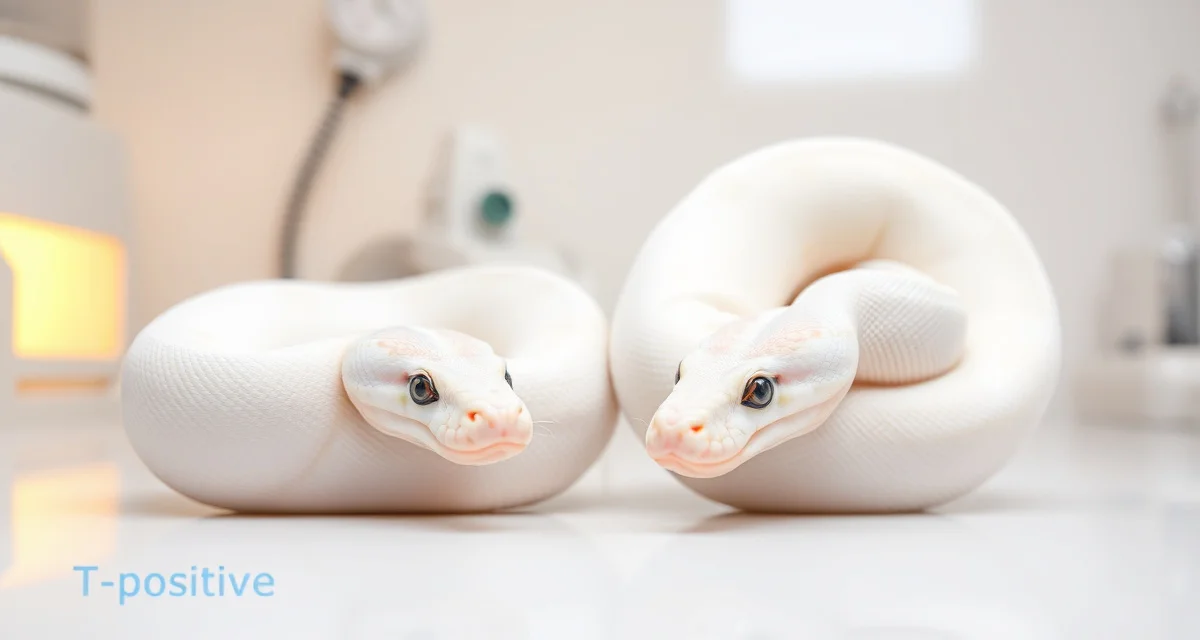
Ball Python Albino Morph Breeding Projects: T-Positive vs T-Negative Guide
Breeders using integrated software report 30% less time on administrative tasks, and albino breeding projects, which span multiple years when building combinations, are exactly the kind of long-term projects where organized digital records replace years of handwritten notebooks.
TL;DR
- Ball python breeding operations require systematic record-keeping from pre-season preparation through end-of-season sales.
- Females at 1,200-1,500g or more are the target weight before introducing them to a breeding male.
- Ovulation detection is the key event that anchors pre-lay shed and lay date calculations.
- Clutch profitability guide depends on understanding actual cost basis per animal, not just gross sale revenue.
- Well-documented animals with complete feeding histories and clear genetic records consistently sell faster and at higher prices.
Albino ball pythons have been in the captive hobby since 1992 and remain one of the most recognizable and consistently marketed recessive morphs. Understanding albino genetics guide, the distinction between albino types, and how albino combines with other morphs is foundational knowledge for any breeder considering albino-based projects.
Two Types of Albino: T-Positive and T-Negative
Ball python albinism isn't a single genetic entity. There are two distinct types of albinism in ball pythons, differentiated by the presence or absence of functional tyrosinase enzyme:
T-Negative Albino (Leucistic Albino): Also called lavender albino or sometimes just "albino" in the hobby. The animal lacks all melanin and eumelanin production. Animals are typically white with lavender-pink patterning in hatchlings, fading to yellow-white as they mature. Eyes are pink/red due to lack of pigment in the iris. This is the most common albino type and what most people mean when they say "albino ball python."
T-Positive Albino (Caramel Albino): Retains some tyrosinase function, meaning some melanin can be produced but in altered forms. T-positive albinos (including the "caramel" albino line) have yellow and caramel tones rather than the stark white and lavender of T-negative. Eyes are often yellow rather than pink/red. The visual appearance is distinctly different from T-negative albino.
These two types of albinism are non-allelic (they're on different loci). If you breed a T-negative het albino to a T-positive het albino, you won't produce visual albinos of either type. This is a critical genetic point:
T-negative het albino x T-positive het albino = 0% visual albino offspring
All offspring will appear normal (carrying one het gene for each albino type). To produce visual offspring, the two copies of the same type must come together.
The Commercial T-Negative Albino Lines
Within T-negative albinos, there are multiple lines that have been established in the hobby:
- Kahl albino: One of the original albino lines, named after its developer
- VPI albino (T+): A T-positive line developed by Bob Clark
- Caramel albino: T-positive line with distinctive caramel coloration
When purchasing albino animals (or their hets), confirm which line the animal is from. Mixing T-negative het animals with T-positive het animals in your collection without careful record-keeping can produce confusing clutches with no visual albino offspring.
Albino Breeding Statistics
Albino follows standard recessive inheritance:
- Het albino x Het albino: 25% visual albino, 50% het albino, 25% normal (66% possible het)
- Visual albino x Het albino: 50% visual albino, 50% het albino
- Visual albino x Visual albino: 100% visual albino
- Visual albino x Normal: 0% visual albino, 100% het albino
Albino Combinations: The High-Value Targets
Plain albino animals have a relatively mature market. The real commercial value in albino breeding is in combinations:
Banana albino: One of the most visually intense combinations, the bright orange of banana combined with the yellow-white of albino. Very popular market.
Pastel albino (Bumblebee albino): Pastel brightens and reduces dark pigmentation; combined with albino, the result is very high-yellow to near-white animals. The "bumblebee" name comes from the yellow and white pattern.
Pied albino: Two recessive genes in combination. The albino coloration in the patterned zones against pied's white areas creates unique pattern contrast.
Clown albino: Another two-recessive combination. Highly valued.
Spider albino (Killer Bee): The spider pattern applied to albino coloration. Note spider wobble disclosure requirements.
Black pastel albino: The darkening effect of black pastel creates unusual depth in albino animals that would otherwise be entirely light-toned.
GHI albino: GHI's darkening with albino's absence of dark pigmentation creates a unique tension in the animal's expression.
Building Albino Combination Projects
For single-gene combinations (albino + one co-dominant):
- Purchase a het albino animal that already carries the co-dominant gene (e.g., pastel het albino)
- Breed to a het albino
- Produce pastel albinos, albinos, pastels, and normals in expected proportions
For double recessive combinations (albino + pied, albino + clown):
- You need animals het for both genes
- Either purchase animals with both hets or breed your way to the double het population
- This is a 2-3 generation project if starting from scratch
Proving Out Albino Hets
Any possible het albino animal needs proving out before you can sell offspring as "100% het albino" rather than "possible het albino." Proving out follows standard protocol: breed the possible het to a visual albino and observe for visual offspring.
The value difference between "100% het albino from visual parents" and "66% possible het from het x het" is real and affects your selling prices.
Maintain accurate records of which het animals are proven vs. possible. HatchLedger's animal records track het status and the proving-out history for each animal.
Current Albino Market
Plain T-negative albinos sell for $100-250 in the current market, which has matured notably since the early days of the morph. Combinations are where the value remains. Research current Morph Market prices for your specific target combinations before committing to a project.
T-positive (caramel) albinos remain somewhat less saturated in the market than T-negative and can command premiums in combination with other morphs that interact distinctively with their caramel coloration.
The HatchLedger reptile breeder software tracks per-clutch P&L that helps you evaluate whether your albino project is generating appropriate returns relative to the investment.
Frequently Asked Questions
What is the best approach to ball python albino morph breeding projects?
Verify which albino line your animals come from (T-positive vs. T-negative) before planning any cross. Keep these lines separate in your records and in your pairings to avoid producing confusing clutches with no visual offspring. Target combination projects rather than single-gene albino production for the best market outcomes.
How do professional breeders handle ball python albino breeding projects?
Experienced albino breeders maintain clear documentation of albino type (T-negative line designation and T-positive line designation) for every animal, never mixing lines without full understanding of the genetics. They prove out possible het animals before selling offspring with "100% het" designations and target the combination market where albino project value is strongest.
What records should every reptile breeder maintain per animal?
At minimum: acquisition date and source, morph and genetic documentation, feeding log, weight history, any veterinary treatments, and breeding history including pairing dates, clutch of origin for captive-bred animals, and offspring records. These records serve your own management, buyer documentation, regulatory compliance, and long-term genetic tracking.
How should reptile breeders document genetics for buyers?
A complete genetic record for sale includes the animal's visual morph name, confirmed het genes and their basis (parentage documentation or proven-out production), possible het genes with probability percentages, hatch date, and parent morph information. Including clutch-of-origin records lets buyers independently verify the claims.
Sources
- USARK (United States Association of Reptile Keepers)
- Association of Reptilian and Amphibian Veterinarians (ARAV)
- World of Ball Pythons (WoBP genetics reference database)
- MorphMarket (reptile industry marketplace)
- Reptiles Magazine (Bowtie Inc.)
Get Started with HatchLedger
Every part of a ball python breeding operation -- from pairing records to clutch documentation to financial tracking -- works better when the data is connected rather than scattered across notebooks and spreadsheets. HatchLedger is built for exactly that. Try it free with up to 20 animals.