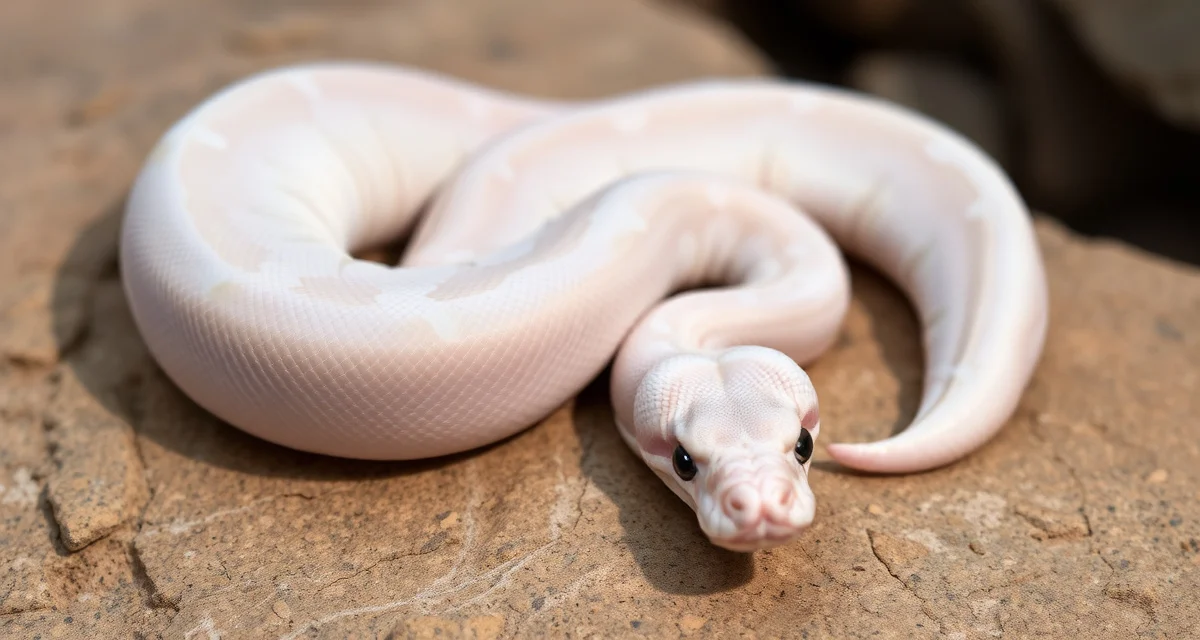
Ball Python Desert Ghost and Genetic Stripe: Recessive Morph Breeding Guide
Breeders using integrated software report 30% less time on administrative tasks, and for recessive project management like desert ghost and genetic stripe, that efficiency directly enables better project tracking across the multi-season proving-out cycles these morphs require.
TL;DR
- Ball python breeding operations require systematic record-keeping from pre-season preparation through end-of-season sales.
- Females at 1,200-1,500g or more are the target weight before introducing them to a breeding male.
- Ovulation detection is the key event that anchors pre-lay shed and lay date calculations.
- Clutch profitability guide depends on understanding actual cost basis per animal, not just gross sale revenue.
- Well-documented animals with complete feeding histories and clear genetic records consistently sell faster and at higher prices.
Desert ghost and genetic stripe are two distinct recessive ball python mutations with devoted hobbyist followings and strong demand in specific market segments. Both require the same proving-out patience that all recessive projects demand, and both reward breeders who invest in quality foundation animals with distinctive, marketable offspring.
Desert Ghost: What Makes It Distinctive
Desert ghost (sometimes sold as "DG") is a recessive mutation that dramatically alters the ball python's coloration toward a very clean, washed-out, almost dusty appearance. Desert ghost animals lack the rich yellow-brown tones of typical ball pythons; instead, they have a pale, faded coloration with reduced dorsal patterning.
The mutation's name comes from the almost ethereal appearance: the normal ball python pattern is still present but appears ghost-like, faded, and desaturated.
Key visual characteristics:
- Pale base coloration (cream, off-white, light tan)
- Reduced contrast between pattern elements and background
- Often with a distinctive iridescence in good lighting
- Pattern reduced but not absent
Desert ghost in combination with other morphs produces unique effects. The desaturation characteristic of DG applied to a normally vivid morph creates a distinctive appearance that enthusiasts seek.
Desert Ghost genetics guide
Desert ghost is recessive, following standard two-copy inheritance:
- Single copy (het DG): Normal appearance, genetic carrier
- Two copies (visual DG): The characteristic pale, washed-out appearance
Crosses follow standard recessive rules:
- Het DG x Het DG: 25% visual DG, 50% het DG, 25% normal
- Visual DG x Het DG: 50% visual DG, 50% het DG
- Visual DG x Normal: 0% visual, 100% het DG
Building Desert Ghost Projects
Desert ghost projects follow the same structure as any recessive project. The proving-out phase (verifying that possible het animals actually carry the gene) takes time and investment.
Foundation animal quality matters notably with DG. The color expression varies between lines, and higher-quality DG lines (cleaner coloration, better iridescence, more dramatic expression) produce more valuable offspring. Research the lineage of any DG foundation animals you're considering.
Combination targets for DG projects:
- DG albino: The pale DG combined with albino's yellow removes the last of the dark pigmentation for an extremely washed-out, almost entirely light animal
- DG pied: DG's color reduction combined with pied's white creates interesting contrast
- DG clown: DG's faded appearance applied to the clown pattern
- Pastel DG: Pastel's brightening effect on DG's muted tones creates an unusual, soft appearance
Genetic Stripe: Pattern Mutation with Devoted Following
Genetic stripe (Gen Stripe, or just "stripe") is a recessive mutation that dramatically alters the dorsal pattern. Instead of the typical ball python saddle pattern, genetic stripe animals have a clearly defined, continuous dorsal stripe running the length of the body with bilateral lateral spots.
The mutation creates a fundamentally different pattern architecture compared to normal ball pythons, which is what makes it striking. The best genetic stripe animals have a clean, well-defined single dorsal stripe with high contrast.
Pattern quality variation: Like pied's white percentage variation, genetic stripe animals vary in stripe quality: some have clean, clearly defined single stripes; others have irregular, broken, or partial stripes. High-quality pattern animals with a continuous, well-defined stripe command premiums.
Genetic Stripe Combinations
The stripe pattern applies to whatever coloration the animal's other genes produce:
Albino stripe: The stripe pattern in albino's yellow-white coloration is extremely popular and was historically notable in the morph's development.
Pastel genetic stripe: Pastel brightens the yellow in the stripe pattern, improving contrast.
Butter/Lesser stripe: BEL complex members with stripe produce animals that, in two copies of the BEL gene, become leucistic with the potential for striped pattern elements.
Genetic stripe pied: Two recessive genes in combination for breeders building complex projects.
The Proving-Out Process for DG and Genetic Stripe
Both mutations are recessive, so proving out possible het animals is part of any project working with unconfirmed carriers.
The standard proving-out protocol:
- Breed the possible het animal to a confirmed visual of the same mutation
- Observe offspring: if any visual offspring appear, the possible het is confirmed as a true het
- For statistical confidence, a larger clutch provides more certainty (one clutch of 6 visual offspring is more confirmatory than one clutch of 2 visual offspring)
A possible het that produces no visual offspring in 6-8 tested animals is likely not het, though the 66% possible het designation technically means there's still a 33% chance that animal is het and you just got unlucky.
Record every proving-out pairing and its outcome in your animal records. HatchLedger's breeding records let you link proving-out clutches to the parent animals, automatically updating the genetic evidence for each animal as you accumulate proving-out data.
Market Considerations
Both desert ghost and genetic stripe have dedicated hobbyist markets. These are not the most mainstream morphs, which means:
- The buyer pool is smaller but more informed about the specific mutation
- Combination animals with DG or genetic stripe are often more valuable than the single gene
- Quality matters notably; poorly expressed examples of either morph trade at lower prices
Research current Morph Market prices for both single-gene and combination animals before investing in these projects. Understand that you're producing for a niche market rather than the broad entry-level buyer market.
The HatchLedger reptile breeder software tracks P&L per clutch and can help you evaluate whether niche morph projects are generating appropriate returns for your investment.
Frequently Asked Questions
What is the best approach to desert ghost and genetic stripe ball python breeding projects?
Source high-quality foundation animals with good expression (clean, well-defined stripe pattern for gen stripe; genuine desaturated, iridescent appearance for DG), follow standard recessive proving-out protocols for possible het animals, and target combination animals for the best market outcomes rather than single-gene production.
How do professional breeders handle desert ghost and genetic stripe breeding projects?
Experienced breeders working with these morphs prioritize expression quality in their foundation animals, maintain detailed records of het status and proving-out history, and target the combination markets where these mutations add the most visual distinctiveness and commercial value.
What records should every reptile breeder maintain per animal?
At minimum: acquisition date and source, morph and genetic documentation, feeding log, weight history, any veterinary treatments, and breeding history including pairing dates, clutch of origin for captive-bred animals, and offspring records. These records serve your own management, buyer documentation, regulatory compliance, and long-term genetic tracking.
How should reptile breeders document genetics for buyers?
A complete genetic record for sale includes the animal's visual morph name, confirmed het genes and their basis (parentage documentation or proven-out production), possible het genes with probability percentages, hatch date, and parent morph information. Including clutch-of-origin records lets buyers independently verify the claims.
Sources
- USARK (United States Association of Reptile Keepers)
- Association of Reptilian and Amphibian Veterinarians (ARAV)
- World of Ball Pythons (WoBP genetics reference database)
- MorphMarket (reptile industry marketplace)
- Reptiles Magazine (Bowtie Inc.)
Get Started with HatchLedger
Every part of a ball python breeding operation -- from pairing records to clutch documentation to financial tracking -- works better when the data is connected rather than scattered across notebooks and spreadsheets. HatchLedger is built for exactly that. Try it free with up to 20 animals.