Ball Python Pied Morph Breeding Projects: Complete Guide
By HatchLedger Editorial Team · Published 2025-04-27 · Updated Mar 13, 2026
Breeders using integrated software report 30% less time on administrative tasks, and for multi-year projects like building pied combinations, that administrative efficiency compounds. A pied project that runs 2-3 generations requires tracking dozens of animals, multiple pairings, and evolving morph designations; manual records simply can't keep up.
TL;DR
- Ball python breeding operations require systematic record-keeping from pre-season preparation through end-of-season sales.
- Females at 1,200-1,500g or more are the target weight before introducing them to a breeding male.
- Ovulation detection is the key event that anchors pre-lay shed and lay date calculations.
- Clutch profitability guide depends on understanding actual cost basis per animal, not just gross sale revenue.
- Well-documented animals with complete feeding histories and clear genetic records consistently sell faster and at higher prices.
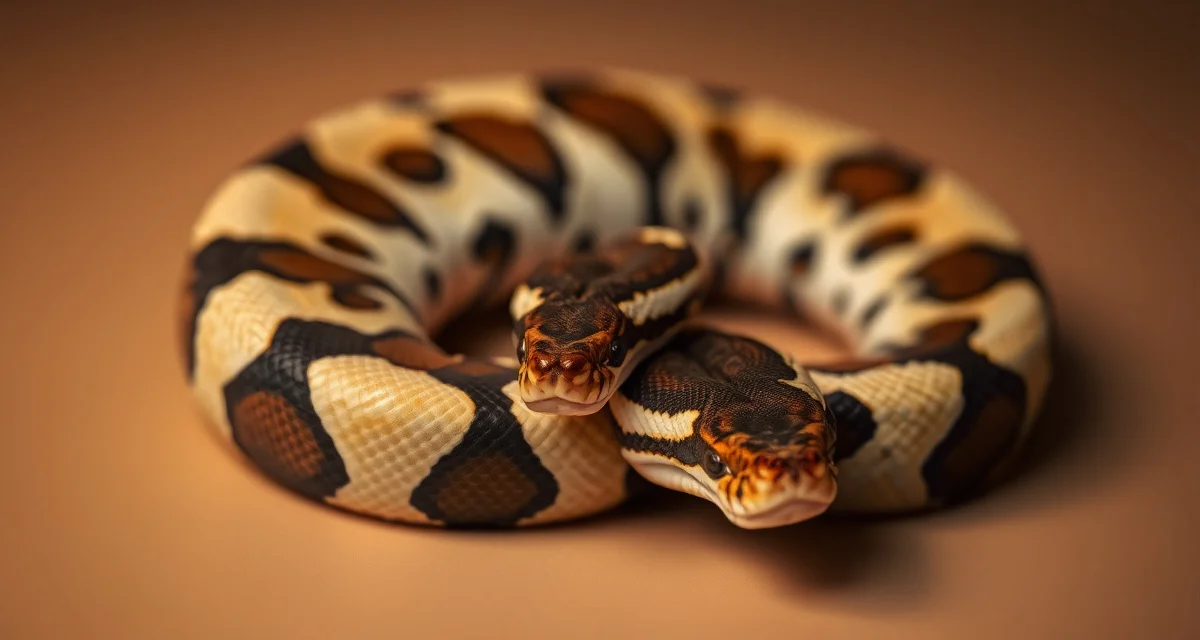
Pied (piebald) is one of the most enduringly popular and financially notable recessive mutations in the ball python hobby. The dramatically contrasting white and normally-patterned zones of piebald animals produce striking animals that have maintained strong buyer interest for over two decades.
Pied genetics guide Basics
Pied is an autosomal recessive mutation. This means:
- One copy (heterozygous, "het pied"): Visually normal appearance. Carrier only.
- Two copies (homozygous): Visual pied with the characteristic white patching.
To produce visual pieds, you need both parents to carry at least one copy of the pied gene. The basic cross options:
Het pied x Het pied: 25% visual pied, 50% het pied, 25% normal (all normals are 66% possible het)
Visual pied x Het pied: 50% visual pied, 50% het pied
Visual pied x Visual pied: 100% visual pied (note: these can sometimes have reduced fertility)
Het pied x Normal: 0% visual pied, 100% possible het pied (50% actually het)
Visual pied x Normal: 0% visual pied, 100% het pied
Pied Pattern Variation
One of the most interesting aspects of working with pied is the notable phenotypic variation in white patterning. Pieds can range from animals with only a small white tail patch to animals that are nearly entirely white with just a few colored saddles remaining.
The pattern is notably heritable, meaning high-white parents tend to produce high-white offspring and low-white parents tend to produce more conservatively patterned offspring. However, there's enough variation that predicting exact pattern expression isn't possible.
High-white pieds (often more than 60-70% white coverage) typically command premium prices. A clean, high-white pied with a full colored head and distinct saddles is considered particularly valuable in the current market.
When selecting animals for your pied project, if you want to produce high-white animals, seek out parents with demonstrably high-white expression in their ancestry.
Starting a Pied Project
Option 1: Start with het pied animals. Breeding two het pieds together produces 25% visual offspring. Cost is lower upfront, but you're working with animals that look normal and won't confirm their het status until you see the clutch results.
Option 2: Start with one visual pied. A visual female pied paired with a het pied male produces 50% visual offspring in the first generation. This is faster to producing visuals but the visual female costs more.
Option 3: Start with proven double hets. If you want a pied combination (say, pied clown), you need animals that carry both genes. Buying a proven double het (100% het pied and 100% het clown) is the most direct path to a double recessive goal but is the most expensive starting point.
Multi-Gene Pied Combinations
The most valuable animals in today's market are often pied combined with other morphs. Popular combinations:
Banana pied / Coral Glow pied: The bright orange-yellow coloration of banana against the white of pied creates an extremely popular animal. Banana is sex-linked co-dominant; combining with pied requires careful genetic planning across generations.
Clown pied: Two recessive genes. Animals are dramatically patterned. Strong consistent market. Building toward this requires having animals that carry both genes.
Pastel pied: Pastel (co-dominant) brightens the colored sections of the pied pattern. Easier to produce since pastel is co-dominant and shows in one copy.
Black pastel pied / GHI pied: Darkening genes combined with pied produce striking contrast.
Clown pied pastel or similar three-gene combinations: These require notable breeding program infrastructure to produce but command substantial premiums.
The Pied Market
Pied has been in the hobby since the early 2000s and prices have declined substantially from the $5,000-10,000 range of the early years. Currently, a clean visual pied in good body condition sells for $200-600 at retail depending on quality and current market conditions. High-white pieds and pied combinations command more.
The combination market (banana pied, clown pied, etc.) remains stronger than plain pied. If you're building a pied project primarily for financial returns, plan to produce combinations rather than simple pieds.
Research current Morph Market prices before committing to a project direction. The combination that was commanding $2,000 two years ago may be at $800 today as more producers enter the market.
Record-Keeping for Pied Projects
Pied projects involve tracking:
- Animals with confirmed pied gene (visual pieds, 100% hets, possible hets)
- Pairing history for each season
- Clutch outcomes that verify or change het designations
- Combination genetics for multi-gene animals
When you produce a clutch of 8 from two het pied parents, the offspring need individual designation:
- 2 visual pieds: confirmed pied/pied
- 5 that look normal: "66% possible het pied" (you expect 4 to be het and 1 to be normal, but you don't know which is which until they produce offspring)
- 1 that actually is normal (25% of the time, one of the normals won't be het)
HatchLedger's morph tracking tools let you record each animal's confirmed genes and possible het status, calculate expected offspring from planned pairings, and update designations as new information becomes available from offspring production.
Proving Out Hets
"Proving out" a possible het animal means breeding it to a visual pied and observing whether the offspring include any visual pieds. If offspring include visuals, the animal is confirmed as 100% het. If 8+ offspring with no visual pieds, the animal is likely not het (though statistically possible to produce all het+ from a het animal).
Maintaining records of proving-out pairings and outcomes, linked to each animal's record, is essential for accurately representing het status to buyers.
The HatchLedger reptile breeder software connects these proving-out clutch records to the parent animals, automatically updating the genetic evidence trail for each animal.
Frequently Asked Questions
What is the best approach to ball python pied breeding projects?
Start with a clear goal (plain pied production, or a specific combination), acquire the genetics required for that goal, and build a timeline based on generation count needed. For combination projects, plan whether to work toward double het animals first (more generations, lower initial cost) or buy visual/proven het animals to reach the target faster (higher initial cost, faster production).
How do professional breeders handle ball python pied breeding projects?
Experienced pied breeders maintain detailed records of het status designations, pairing outcomes, and pattern quality for each generation, building a pied line with documented high-white ancestry. They price animals based on accurate het status documentation and have clear proving-out records that buyers can verify.
What records should every reptile breeder maintain per animal?
At minimum: acquisition date and source, morph and genetic documentation, feeding log, weight history, any veterinary treatments, and breeding history including pairing dates, clutch of origin for captive-bred animals, and offspring records. These records serve your own management, buyer documentation, regulatory compliance, and long-term genetic tracking.
How should reptile breeders document genetics for buyers?
A complete genetic record for sale includes the animal's visual morph name, confirmed het genes and their basis (parentage documentation or proven-out production), possible het genes with probability percentages, hatch date, and parent morph information. Including clutch-of-origin records lets buyers independently verify the claims.
What is Ball Python Pied Morph Breeding Projects: Complete Guide?
A ball python pied morph breeding project is a multi-generation selective breeding program aimed at producing piebald ball pythons and their designer combinations. Pied is an autosomal recessive mutation creating striking white and patterned zones. A complete guide covers genetics fundamentals, pairing strategies, weight targets for females, ovulation tracking, clutch management, and record-keeping. Tools like HatchLedger help breeders manage the complexity of tracking dozens of animals across multiple breeding seasons.
How much does Ball Python Pied Morph Breeding Projects: Complete Guide cost?
Pied ball pythons vary widely in price depending on morph combinations. Basic pieds may sell for $200–$600, while high-white or designer pied combos can fetch $1,000–$5,000+. As a breeder, your cost basis per hatchling includes the purchase price of breeding animals, feeding costs, housing, and years of time investment. Understanding your actual cost basis—not just gross sale revenue—is essential to running a profitable pied project.
How does Ball Python Pied Morph Breeding Projects: Complete Guide work?
Pied breeding works by pairing two animals that each carry at least one copy of the recessive pied gene. When two pied hets are bred, statistically 25% of offspring will be visual pieds, 50% will be het pied, and 25% will be normal. Breeders condition females to 1,200–1,500g before introduction, monitor for ovulation to predict lay dates, and track all pairings and clutch outcomes across multiple generations to build toward target combinations.
What are the benefits of Ball Python Pied Morph Breeding Projects: Complete Guide?
A structured pied breeding project offers predictable genetic outcomes, stronger sale prices, and a documented animal history that buyers value. Well-recorded animals with complete feeding histories and clear genetic lineage sell faster and at premium prices. Multi-generation planning allows breeders to introduce additional morphs into pied lines, creating high-value designer combos. Integrated record-keeping software can reduce administrative time by around 30%, letting breeders focus on animal care and project strategy.
Who needs Ball Python Pied Morph Breeding Projects: Complete Guide?
Anyone serious about producing piebald ball pythons or pied combination morphs needs a structured breeding guide. This includes hobbyist breeders scaling up, small-scale reptile businesses targeting the premium designer market, and experienced keepers adding recessive projects to existing collections. Given that pied projects span 2–3 generations and require tracking dozens of animals and pairings, breeders who want consistent, profitable results rather than guesswork benefit most from following a complete methodology.
How long does Ball Python Pied Morph Breeding Projects: Complete Guide take?
A pied breeding project typically spans 2–3 generations, meaning a minimum of 3–6 years from acquiring quality het pied stock to reliably producing designer pied combinations. Each breeding season involves a cycle of conditioning females from late summer through fall, introducing males, detecting ovulation, and managing clutches through a 55–60 day incubation period. Administrative tasks like tracking morph designations and feeding records compound over time, making systematic record-keeping essential from day one.
Related Articles
Sources
- USARK (United States Association of Reptile Keepers)
- Association of Reptilian and Amphibian Veterinarians (ARAV)
- World of Ball Pythons (WoBP genetics reference database)
- MorphMarket (reptile industry marketplace)
- Reptiles Magazine (Bowtie Inc.)
Get Started with HatchLedger
Every part of a ball python breeding operation -- from pairing records to clutch documentation to financial tracking -- works better when the data is connected rather than scattered across notebooks and spreadsheets. HatchLedger is built for exactly that. Try it free with up to 20 animals.