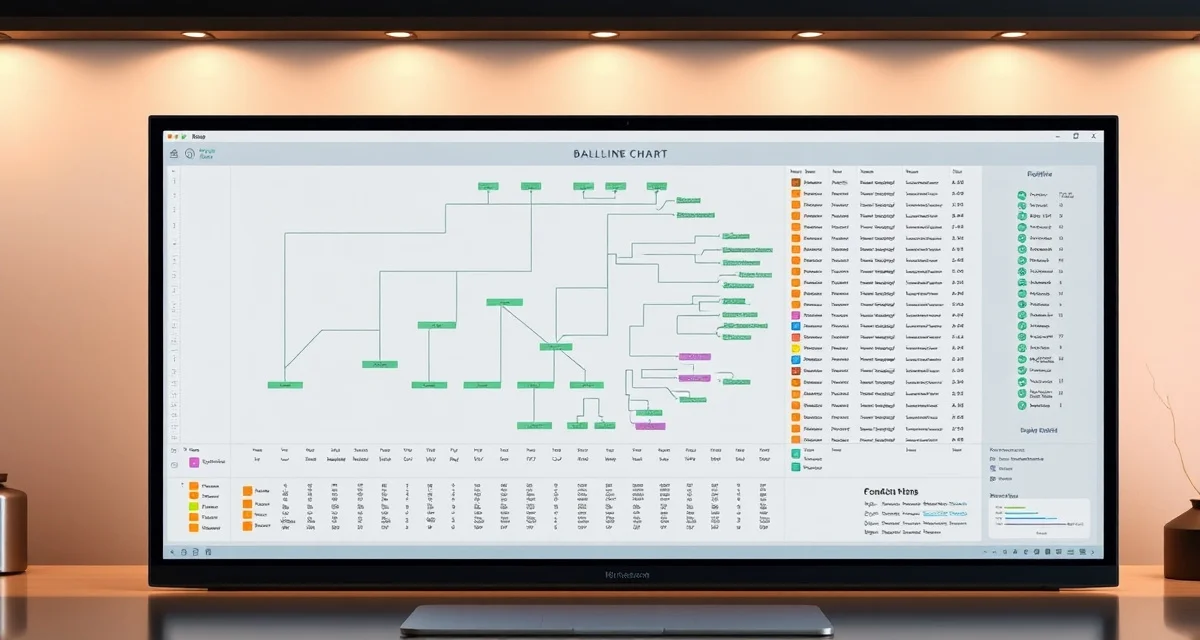
Ball Python Bloodline Tracking and Lineage Records: Advanced Breeder Guide
Breeders using integrated software report 30% less time on administrative tasks, and bloodline documentation is one of the highest-use records you can maintain. A hatchling with verified, documented lineage from known producers sells for more money and with more buyer confidence than an otherwise identical animal with unknown parentage.
TL;DR
- Ball python breeding operations require systematic record-keeping from pre-season preparation through end-of-season sales.
- Females at 1,200-1,500g or more are the target weight before introducing them to a breeding male.
- Ovulation detection is the key event that anchors pre-lay shed and lay date calculations.
- Clutch profitability guide depends on understanding actual cost basis per animal, not just gross sale revenue.
- Well-documented animals with complete feeding histories and clear genetic records consistently sell faster and at higher prices.
In a market where genetic fraud is a genuine concern (animals sold with overstated or fabricated het status, or from pairings that didn't actually happen), documented lineage is a competitive advantage and an ethical responsibility.
Why Lineage Records Matter
Financial value: Animals from known, respected bloodlines command premiums. A pastel pied from a pair of well-documented, proven animals is worth more than an identical-looking animal from an unknown pairing.
Genetic verification: Het status claims are only as reliable as the records behind them. "100% het pied" means something when you have the lay record, the pairing record, and the parentage chain. It means much less when it's asserted without documentation.
Breeding planning: Knowing the full genetic history of every animal in your collection allows you to make intelligent pairing decisions, avoid inbreeding risks, and build on proven producer lines.
Buyer confidence: Buyers making notable purchases want to know the history of what they're buying. Complete lineage documentation closes sales that insufficient records lose.
Components of a Complete Lineage Record
A complete lineage record for any animal includes:
The animal itself:
- Unique ID (name, number, or both)
- Morph designation (confirmed genes)
- Sex
- Hatch date
- Birth weight
- Current morph expression notes
Immediate parents:
- Father ID, morph, and known genetic makeup (including confirmed hets)
- Mother ID, morph, and known genetic makeup
- Pairing season and pairing dates
- Clutch ID and lay date
Grandparents (if known):
- Grandfather and grandmother information from both sides
- Their confirmed morph and het status
Purchase documentation (if applicable):
- Who you purchased the animal from
- Their contact information
- Original receipt or invoice
- Any documentation they provided about the animal's lineage
The further back you can document the lineage, the stronger the record. A three-generation pedigree for a valuable animal is genuinely notable.
Proven vs. Unproven Pairings
"Proven" in the ball python context means a specific pairing has been verified to produce the expected genetic outcomes. A pairing is proven when:
- The male and female were confirmed to copulate (observed locks)
- The clutch produced offspring that verify the claimed genetics guide (e.g., a pairing of two het pieds that produced visual pied offspring)
"Unproven" pairings have introduced the male to the female, possibly had locks, but haven't yet produced a clutch that verifies the genetics. The offspring from unproven pairings carry more genetic uncertainty.
When selling offspring from unproven pairings where the pairing itself is the only evidence of a parent's het status, be transparent. "Possible het" from an unproven pairing has different certainty than "100% het" from a proven pairing.
Avoiding Inbreeding
Ball python breeders generally want to avoid pairing animals that are closely related. Moderate inbreeding (cousins or further) is tolerable and sometimes intentional for line breeding purposes. Close inbreeding (siblings, parent/offspring) is generally avoided and can produce reduced vigor, fertility issues, and unexpected expression of recessive traits.
Good lineage records make it easy to check whether two animals are related before pairing. If you bought multiple animals from the same producer in the same season, they may be siblings or half-siblings. Knowing that from the records lets you plan pairings to avoid close inbreeding.
Naming and ID Systems for Tracking
Develop a consistent naming or numbering system that travels with each animal through its life:
Number-based: A sequential number (001, 002, etc.) assigned at hatch. Simple and unambiguous. Hard to remember meaningful context without looking up the record.
Code-based: A code that encodes information (e.g., "2024-F07-C2-05" = born 2024, from female 07, clutch 2, animal 5). More information in the ID but longer.
Name-based: Names are memorable but don't encode information and can be duplicated. Better for pet animals than production operations.
Many production breeders use both a number (for the formal record) and a name or nickname (for easy identification in conversation).
Whatever system you use, be consistent. Every animal gets an ID at hatch and keeps it for life.
Transferring Records at Sale
When you sell an animal, the lineage record transfers with it. Your responsibility:
- Provide the animal's ID, morph designation, confirmed genetics (including hets), hatch date, and parentage
- Include the pairing history and any relevant health records
- Specify whether het claims are from proven or unproven pairings
- Be available for follow-up questions from the buyer
Provide this information in writing, not just verbally. A buyer who gets a written summary of the animal's genetics and history can verify years later that the claims match the outcomes they see.
Buyers who build on your animals and produce the expected outcomes become advocates for your operation. Buyers who feel they were misled become detractors. The difference is usually in the accuracy and completeness of your records.
Using HatchLedger for Lineage Tracking
Manual lineage tracking in spreadsheets becomes complex quickly when you're managing multiple generations across dozens of animals. A pairing database that needs to cross-reference parent records, child records, and breeding season data requires notable spreadsheet design and discipline to maintain.
HatchLedger connects these records automatically: when you create a clutch from a pairing, the offspring records inherit the parent information. When you trace a hatchling back to its parents and grandparents, the records are linked. This makes lineage verification fast and reliable rather than a manual research project each time a buyer asks.
Record Retention
Maintain lineage records indefinitely. An animal you sold five years ago may produce offspring whose buyers come to you with questions. A breeder who can answer those questions from records has a clear advantage in buyer trust.
Minimum retention: the life of the animal plus 5 years for any offspring you sold.
The HatchLedger reptile breeder software stores records in the cloud, so your documentation doesn't disappear if your local hard drive fails or your notebook gets lost.
Frequently Asked Questions
What is the best approach to ball python bloodline tracking and lineage records?
Assign every animal a unique ID at hatch and maintain a complete record including parentage, morph designation, confirmed het status, pairing dates, and clutch history. Transfer written documentation to buyers at sale. Maintain records indefinitely for all animals whose offspring you've sold into the market.
How do professional breeders handle ball python bloodline tracking?
Serious breeders maintain multi-generation lineage records, clearly distinguish between proven and unproven pairings when making het status claims, and provide buyers with written genetic documentation. They also use lineage records proactively to avoid inbreeding in their own pairings.
What records should every reptile breeder maintain per animal?
At minimum: acquisition date and source, morph and genetic documentation, feeding log, weight history, any veterinary treatments, and breeding history including pairing dates, clutch of origin for captive-bred animals, and offspring records. These records serve your own management, buyer documentation, regulatory compliance, and long-term genetic tracking.
How should reptile breeders document genetics for buyers?
A complete genetic record for sale includes the animal's visual morph name, confirmed het genes and their basis (parentage documentation or proven-out production), possible het genes with probability percentages, hatch date, and parent morph information. Including clutch-of-origin records lets buyers independently verify the claims.
Sources
- USARK (United States Association of Reptile Keepers)
- Association of Reptilian and Amphibian Veterinarians (ARAV)
- World of Ball Pythons (WoBP genetics reference database)
- MorphMarket (reptile industry marketplace)
- Reptiles Magazine (Bowtie Inc.)
Get Started with HatchLedger
Every part of a ball python breeding operation -- from pairing records to clutch documentation to financial tracking -- works better when the data is connected rather than scattered across notebooks and spreadsheets. HatchLedger is built for exactly that. Try it free with up to 20 animals.