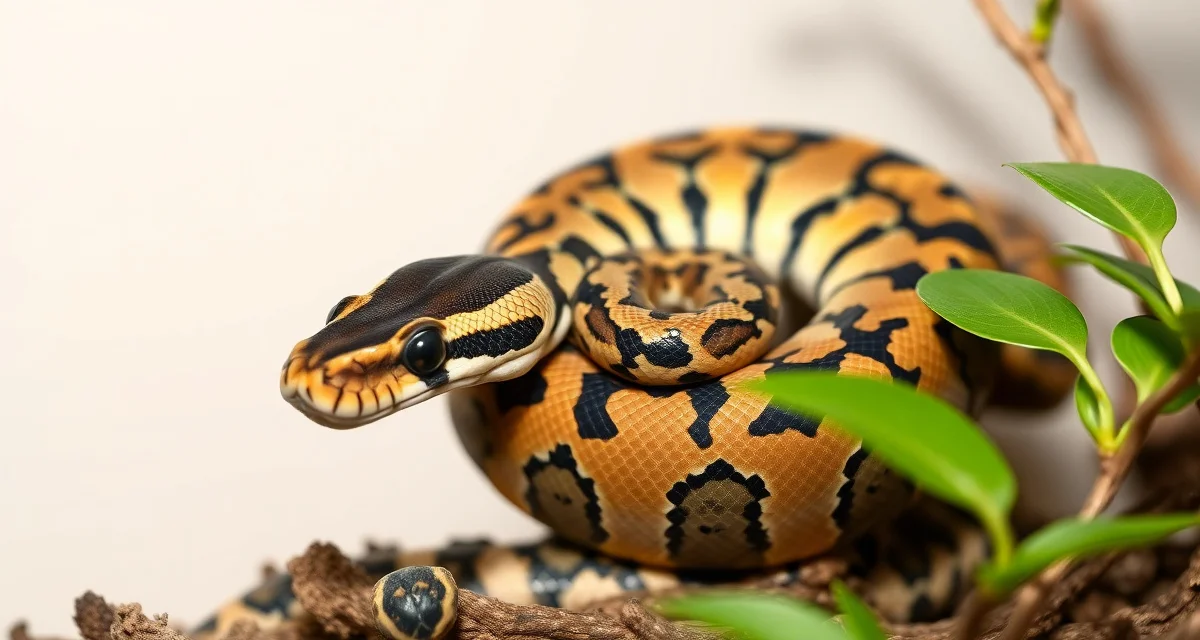
Ball Python Spider Morph Wobble: Understanding and Managing Neurological Symptoms
Breeders using integrated software report 30% less time on administrative tasks, and health record management is especially important when you're working with morphs that have known health considerations. The spider morph wobble is the most discussed neurological condition in ball python breeding, and having clear health records for your spider animals is both an ethical obligation and a practical necessity.
TL;DR
- Ball python breeding operations require systematic record-keeping from pre-season preparation through end-of-season sales.
- Females at 1,200-1,500g or more are the target weight before introducing them to a breeding male.
- Ovulation detection is the key event that anchors pre-lay shed and lay date calculations.
- Clutch profitability guide depends on understanding actual cost basis per animal, not just gross sale revenue.
- Well-documented animals with complete feeding histories and clear genetic records consistently sell faster and at higher prices.
This isn't a politically neutral topic in the community. Having good information and transparent records is the foundation of making responsible decisions about whether and how to work with spider animals.
What Is Spider Wobble?
The spider morph (dominant mutation producing a distinctive "spider web" pattern with reduced dark pigmentation) is linked to a neurological condition known informally as "wobble" or "spider wobble." The technical description is a vestibular or balance disorder, possibly involving defects in the inner ear or associated structures.
Affected animals display:
- Head tremors or tilt (sometimes called stargazing when severe, the head tilts sharply upward)
- Difficulty righting themselves
- Corkscrew or spiraling movements
- Feeding difficulty due to inability to track and strike accurately
- Varying severity from nearly imperceptible to severely debilitating
Severity Spectrum
Wobble severity varies dramatically between individual animals:
Mild: Occasional subtle head tremor, particularly when stressed or feeding. The animal lives normally, feeds well, and shows no other symptoms. Many mild wobble animals require no special management.
Moderate: Visible tremors at rest or during movement. Some feeding difficulty. May require modified feeding techniques (feeding in a small cup or offering prey in a position that accommodates the head tilt).
Severe: Constant notable tremors, frequent stargazing episodes, inability to feed without assistance or modified technique. Quality of life is genuinely reduced.
The severity appears to be influenced by both genetics guide (not all spider animals have the same degree of wobble) and environment (stress, illness, and high temperatures tend to worsen neurological symptoms).
Genetics of Spider Wobble
The spider gene (and its alleles, including Hidden Gene Woma/HGW and others in the spider complex) causes wobble in every animal that carries it. This is not a subset of spider animals; the neurological component and the visual component are linked. There is no "clean" spider morph without neurological effects.
Homozygous spider (two copies of the spider gene) is lethal before hatching, which is why spider animals can only be heterozygous.
The degree of wobble expression, that severity spectrum, may be influenced by additional modifier genes and environmental factors, but the underlying neurological component is present in all spider animals.
Ethical Breeding Considerations
The ball python community has ongoing debate about whether working with spider morphs is ethical given the inherent neurological component. The main positions:
Against working with spider: The neurological condition is inseparable from the morph. Every spider animal lives with this condition, which ranges from manageable to notably quality-of-life-reducing. Breeding spiders perpetuates this condition.
For working with spider: Many spider animals have mild wobble that doesn't notably impact their lives. With responsible husbandry modifications and selective breeding for mild expression, spiders can live good lives. Breeder responsibility includes careful management and transparency with buyers.
For transparency regardless of position: All buyers of spider animals should be explicitly told about the wobble before purchase. Selling spiders without disclosing wobble is widely considered unethical in the community.
Make your own decision about working with this morph, but make it informed. Whatever you decide, transparency with buyers is non-negotiable.
Managing Spider Animals in Your Collection
If you work with spider morphs, these management adjustments help:
Reduce stress: Stress consistently worsens wobble symptoms. Minimize unnecessary handling, provide secure hides, and maintain stable temperatures.
Temperature management: High temperatures appear to exacerbate neurological symptoms in some animals. Keep temperatures in the appropriate range but don't push the warm side higher than necessary.
Modified feeding: Animals with moderate to severe wobble often have difficulty tracking and striking prey. Solutions include:
- Offering prey in a small, dark cup or container where the animal can corner the prey
- Lowering the prey to the substrate level rather than offering from above
- Offering pre-killed prey that won't move erratically
- Holding prey steady rather than moving it when using tongs
Individual assessment: Work with each spider animal as an individual. A spider with very mild wobble needs less modification than one with notable symptoms. Annual or seasonal health assessments help you track whether wobble is progressing.
Record-Keeping for Spider Animals
Document the wobble severity for each spider animal in your health records. Assess annually (or after any illness or notable event) and note any changes.
A spider animal whose wobble has visibly worsened over a year warrants more careful management. An animal whose wobble has remained stable at mild severity for multiple years is a different management profile.
HatchLedger's animal health records let you document neurological assessments with dates, descriptions of symptom severity, and management notes. This creates a longitudinal health record for each spider animal that informs both your breeding decisions and buyer communication.
Disclosure to Buyers
Every spider animal sold should come with explicit verbal and written disclosure:
- The animal is a spider morph
- Spider morphs have a neurological condition called wobble
- The animal's current wobble severity (mild, moderate, severe)
- What the buyer can expect in terms of management modifications if severity warrants
Provide this information before the sale, not after. Give buyers the information they need to make an informed decision. A buyer who later discovers their spider has wobble because it wasn't disclosed appropriately is a justifiably unhappy customer, and in a small community, that reputation damage matters.
Working with Wobble in Multi-Gene Animals
Spider is commonly combined with other morphs: pastel spider, spinner (pastel spider), bumblebee (pastel spider yellow belly), and so on. The wobble travels with the spider gene into all combinations.
A bumblebee with wobble requires the same management accommodations as a plain spider. Don't let the excitement about the visual combination distract from the health management requirement.
The HatchLedger reptile breeder software tags each animal's morph genes, so you can filter your collection for all animals carrying the spider gene and ensure none are missing appropriate health documentation.
Frequently Asked Questions
What is the best approach to ball python spider morph wobble management?
Assess each spider animal's wobble severity individually, minimize stress in the enclosure, make feeding modifications appropriate to the severity (cup feeding or pre-killed prey for animals with notable wobble), and monitor for changes in symptom severity annually. Disclose wobble to all buyers before any sale transaction.
How do professional breeders handle ball python spider morph wobble?
Responsible breeders working with spider morphs maintain detailed health records for each animal documenting wobble severity, provide full disclosure to all buyers, and make individual management decisions based on each animal's specific needs. Many experienced breeders have moved away from spider entirely given the ethical considerations; those who continue are transparent about why and how they manage the health component.
What records should every reptile breeder maintain per animal?
At minimum: acquisition date and source, morph and genetic documentation, feeding log, weight history, any veterinary treatments, and breeding history including pairing dates, clutch of origin for captive-bred animals, and offspring records. These records serve your own management, buyer documentation, regulatory compliance, and long-term genetic tracking.
How should reptile breeders document genetics for buyers?
A complete genetic record for sale includes the animal's visual morph name, confirmed het genes and their basis (parentage documentation or proven-out production), possible het genes with probability percentages, hatch date, and parent morph information. Including clutch-of-origin records lets buyers independently verify the claims.
Sources
- USARK (United States Association of Reptile Keepers)
- Association of Reptilian and Amphibian Veterinarians (ARAV)
- World of Ball Pythons (WoBP genetics reference database)
- MorphMarket (reptile industry marketplace)
- Reptiles Magazine (Bowtie Inc.)
Get Started with HatchLedger
Every part of a ball python breeding operation -- from pairing records to clutch documentation to financial tracking -- works better when the data is connected rather than scattered across notebooks and spreadsheets. HatchLedger is built for exactly that. Try it free with up to 20 animals.