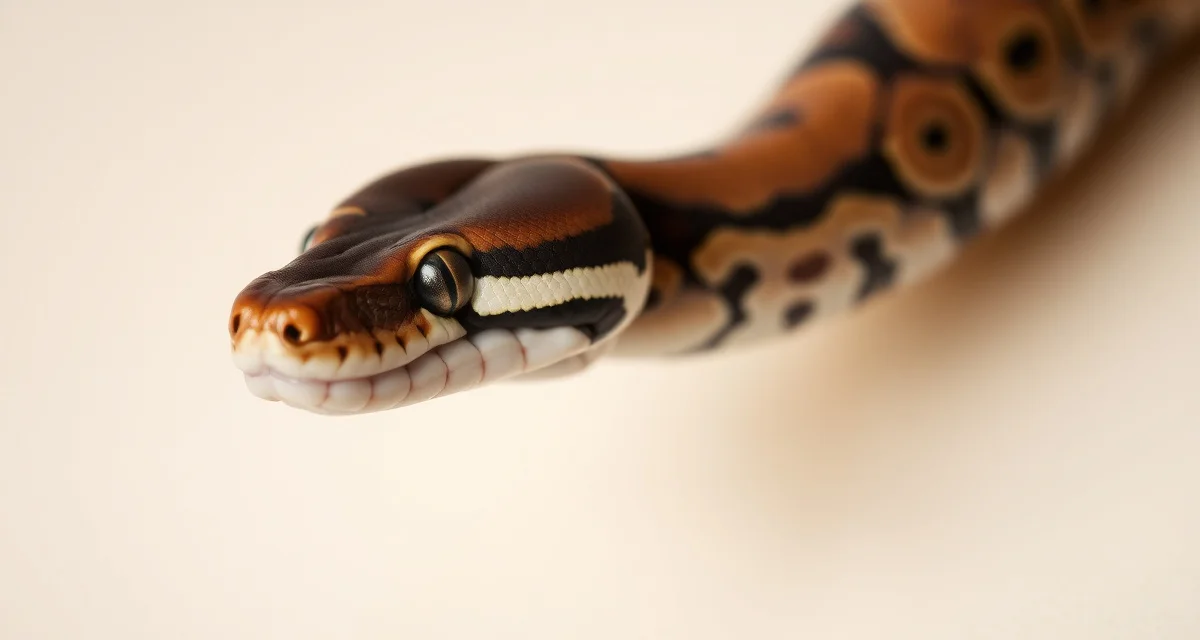
Identifying Unlabeled Ball Python Animals by Phenotype
At some point you'll encounter a ball python whose genetic history is unknown or uncertain - maybe a rescued animal, an acquisition from a non-specialist seller, or an animal whose documentation was lost. Identifying what you have (and being honest about what you can and can't determine) is an important skill. Breeders using integrated software report 30% less time on administrative tasks, giving you more time for the careful phenotype evaluation that morph identification requires.
TL;DR
- Ball python breeding operations require systematic record-keeping from pre-season preparation through end-of-season sales.
- Females at 1,200-1,500g or more are the target weight before introducing them to a breeding male.
- Ovulation detection is the key event that anchors pre-lay shed and lay date calculations.
- Clutch profitability guide depends on understanding actual cost basis per animal, not just gross sale revenue.
- Well-documented animals with complete feeding histories and clear genetic records consistently sell faster and at higher prices.
What Phenotype Identification Can and Can't Tell You
Visual morph identification from phenotype has real limitations:
What you can often determine:
- Whether an animal carries common, visually obvious co-dominant or dominant mutations (Pastel, Piebald, Albino, Banana, Spider, etc.)
- The approximate combination of visible morphs in a multi-morph animal
What phenotype CAN'T tell you:
- Whether an animal carries any recessive genes that don't affect appearance (het Pied, het Clown, het Albino, etc.)
- Whether an animal carrying a co-dominant gene is single-copy or super form in cases where the difference isn't obvious
- Which specific line a morph came from
An animal that looks like a Normal ball python could be a 100% het Pied, a het Albino, a het Clown, or a true Normal - and you cannot tell these apart by looking.
Visual Markers for Common Morphs
Pastel: Brighter yellows, cleaner pattern, reduced brown tones. Can be subtle, especially in low-expression animals. Head coloration typically brighter than in Normals.
Yellow Belly: Flame pattern on the belly (yellow or orange coloring extending up from the ventral surface). Subtle but consistent marker. Pattern may be slightly reduced.
Cinnamon: Deep chocolate brown base coloration, darkening with age. Pattern present but muted. Can look nearly black as an adult.
Black Pastel: Very dark base, heavily reduced pattern. Similar to Cinnamon but often darker.
Fire: Subtle brightening of yellows and pattern reduction. Very similar to Pastel and easy to confuse without parentage confirmation.
Banana/Coral Glow: Characteristic lavender-yellow coloration with black freckle markings. More distinct than many morphs; relatively easy to identify.
Piebald: White patterning with normal coloration on patterned sections. Variable expression (high white vs. low white). Fairly easy to identify when white coverage is present.
Albino: Bright yellow and white, no black or brown coloration, red or pink eyes. Very distinctive.
Clown: Abstract, reduced pattern with characteristic alien-head side pattern and typically brighter coloration. More distinct than Pastel but still requires experience to recognize consistently.
Mojave/Lesser: Pattern reduction with specific structural characteristics (alien head pattern on sides, slightly different color quality). Similar to Pastel but with distinct differences in experienced eyes.
Spider: Strongly reduced and broken pattern, distinctive side pattern. The banding is "spider-web" like rather than solid.
When Phenotype Identification Is Uncertain
Many morphs fall along a spectrum of expression. A low-expression Pastel and a bright Normal can look remarkably similar. A single-copy Mojave and a single-copy Lesser look similar to each other.
When you're uncertain:
- Don't make a definitive genetic claim. Use language like "appears to be Pastel" or "possible Fire, unconfirmed"
- Consult with experienced breeders who have seen many examples of the morph in question
- Use a genetic calculator to understand what the combination would look like if your visual assessment were correct
- Consider genetic testing as a last resort for high-value animals
Genetic Testing Options
DNA-based genetic testing for ball python morphs is available through several laboratories that work with reptile genetics guide. Testing can confirm:
- Whether an animal is homozygous or heterozygous for certain mutations
- The presence of recessive genes that phenotype can't reveal
Testing adds cost but provides certainty for high-value animals where genetic accuracy significantly affects value.
Document your phenotype assessment and any genetic testing results for every animal in HatchLedger's records along with a confidence level notation (confirmed, probable, possible). For how different tools handle this kind of nuanced genetic documentation, see the reptile breeder software comparison.
Frequently Asked Questions
What is the best approach to identifying unlabeled ball python animals by phenotype?
Develop systematic visual assessment skills by studying clear examples of each morph, consulting with experienced breeders, and comparing your assessments against confirmed animals. Be honest about what phenotype can and can't tell you - always note recessive genes as "unknown" rather than assuming an animal doesn't carry them. For high-value animals where genetics significantly affect price, genetic testing provides certainty that phenotype assessment can't.
How do professional breeders handle ball python morph identification for unlabeled animals?
Experienced breeders rely on accumulated visual experience with many animals and are honest about the limits of phenotype identification. They use language that reflects uncertainty accurately ("appears to be Pastel" not "confirmed Pastel" for a non-documented animal). For acquisitions from unknown sources, they treat recessive het status as unknown and document it as such rather than assuming the animal's genetic background.
What software helps manage ball python morph identification records?
HatchLedger is purpose-built for reptile breeders, connecting animal records, breeding history, clutch outcomes, and financial tracking in one system. Unlike generic spreadsheets, it's designed around the specific workflow of an active breeding season. Free for up to 20 animals.
What records should every reptile breeder maintain per animal?
At minimum: acquisition date and source, morph and genetic documentation, feeding log, weight history, any veterinary treatments, and breeding history including pairing dates, clutch of origin for captive-bred animals, and offspring records. These records serve your own management, buyer documentation, regulatory compliance, and long-term genetic tracking.
How should reptile breeders document genetics for buyers?
A complete genetic record for sale includes the animal's visual morph name, confirmed het genes and their basis (parentage documentation or proven-out production), possible het genes with probability percentages, hatch date, and parent morph information. Including clutch-of-origin records lets buyers independently verify the claims.
Sources
- USARK (United States Association of Reptile Keepers)
- Association of Reptilian and Amphibian Veterinarians (ARAV)
- World of Ball Pythons (WoBP genetics reference database)
- MorphMarket (reptile industry marketplace)
- Reptiles Magazine (Bowtie Inc.)
Get Started with HatchLedger
Every part of a ball python breeding operation -- from pairing records to clutch documentation to financial tracking -- works better when the data is connected rather than scattered across notebooks and spreadsheets. HatchLedger is built for exactly that. Try it free with up to 20 animals.