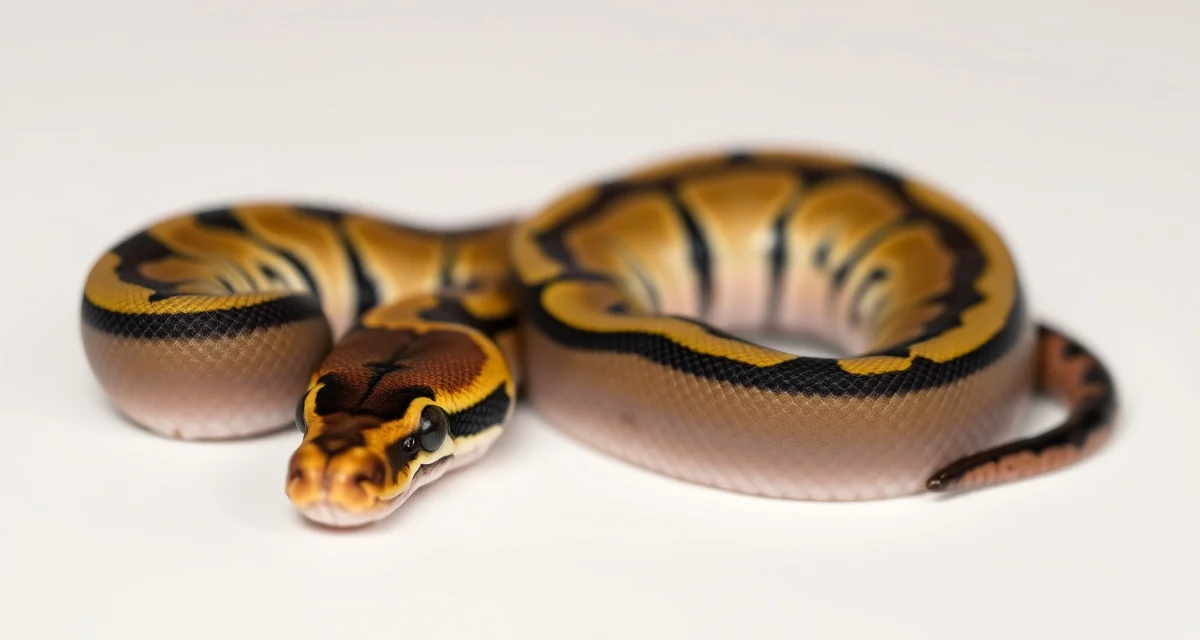
Selling Ball Python Hatchlings: Photos, Descriptions, and Buyer Communication
You can produce exceptional animals and still struggle to sell them if your presentation is poor. Conversely, good photography, honest descriptions, and responsive communication help move animals faster and at better prices - and build the buyer relationships that turn one-time purchasers into repeat customers. Breeders using integrated software report 30% less time on administrative tasks, giving you more time to invest in the presentation quality that drives sales.
TL;DR
- Ball python breeding operations require systematic record-keeping from pre-season preparation through end-of-season sales.
- Females at 1,200-1,500g or more are the target weight before introducing them to a breeding male.
- Ovulation detection is the key event that anchors pre-lay shed and lay date calculations.
- Clutch profitability guide depends on understanding actual cost basis per animal, not just gross sale revenue.
- Well-documented animals with complete feeding histories and clear genetic records consistently sell faster and at higher prices.
Photography That Sells Animals
Lighting: The most common photography mistake is shooting in dim, yellow artificial light. Use natural daylight or a daylight-balanced photo light. Ball python colors are vivid - you want to capture that accurately.
Background: A simple white or gray background lets the animal's coloration and pattern show without distraction. Naturalistic backgrounds look nice but make pattern harder to evaluate. Many serious buyers are specifically looking at morph expression, so clarity matters.
Multiple angles: At minimum: top-down view (shows dorsal pattern and coloration), side view (shows lateral pattern and overall body shape), and head shot. For Pieds and other pattern morphs where individual variation matters, photos showing the full pattern coverage are essential.
Avoid: poor focus, blurry motion shots, extreme flash that blows out the colors, photos where only part of the animal is visible.
In-focus, well-lit, clear photos that show accurate color matter more than elaborate staging. Buyers are evaluating the animal, not your photography skills.
Writing Accurate, Useful Descriptions
A good listing description answers the buyer's questions before they have to ask:
What is it genetically? State the confirmed morph and any het genetics guide. Be specific about what's confirmed vs. inferred.
What sex? Buyers need this. Include the sexing method used and who performed it (you, or another experienced breeder/vet).
How old and how much does it weigh? Include hatch date and current weight. This is more useful than vague terms like "juvenile."
Is it eating? Specify: eating frozen-thawed (F/T), eating live, or not yet established. If F/T, state how many consecutive F/T meals it's taken.
What does the price include? Does your price include shipping? Heat pack? Is there a live arrival guarantee?
Example of a useful description:
"Female Banana Pastel het Pied. Hatched August 12, 2025. Current weight: 185g. Eating F/T small mice, 5 consecutive meals. Sexed by probing. Price includes FedEx Priority Overnight shipping and a live arrival guarantee to your door."
Don't: Bury useful information in marketing language. "This stunning beauty is a gorgeous addition to any collection!" tells the buyer nothing they need.
Pricing Context in Listings
Include your price in the listing. Buyers who have to ask for price often don't bother. If you're willing to negotiate on the right combination, "Price negotiable for the right home" is fine to include.
Don't list far above what you'd actually sell for and expect buyers to negotiate down. Listing at a reasonable market price results in faster sales and fewer low-ball offer messages to respond to.
Responding to Buyer Inquiries
Respond quickly. Buyers who inquire on a listing and don't hear back within 24-48 hours often move on to another listing. If you're not able to respond during busy seasons, set expectations in your listing ("I respond to messages within 48 hours").
Answer the actual question. If someone asks "Is this still available?", confirm availability and any relevant additional information in the same message so they don't need to send another question before making a decision.
Be honest about the animal. If the animal has had any health issues, feeding challenges, or behavioral quirks, disclose them rather than hoping the buyer doesn't notice. The relationship with a buyer you've been honest with lasts; the relationship with one who discovers post-sale problems you concealed doesn't.
Document communications. For high-value sales, keep a record of what was communicated before the sale - especially genetic claims and animal condition. If disputes arise, your communication history protects you.
Track your sales, including buyer information and sale dates, in HatchLedger's sales records. For how different platforms support sales documentation alongside breeding records, see the reptile breeder software comparison.
Frequently Asked Questions
What is the best approach to ball python hatchling sales presentations and buyer communication?
Use accurate, well-lit photos that show the actual animal color and pattern. Write descriptions that answer the practical questions buyers have (genetics, sex, feeding status, weight, price, shipping). Respond to inquiries promptly and honestly. The combination of good photography, clear information, and reliable communication builds the reputation that creates repeat buyers and buyer referrals.
How do professional breeders handle ball python sales photography and descriptions?
Established breeders typically have a consistent photography setup they use for every listing - same background, same lighting, same angle protocol. This creates a professional, consistent appearance across all their listings. Their descriptions follow a standard format that includes all the information serious buyers need, reducing back-and-forth inquiry messages before purchase.
What software helps manage ball python sales records and buyer communication history?
HatchLedger is purpose-built for reptile breeders, connecting animal records, breeding history, clutch outcomes, and financial tracking in one system. Unlike generic spreadsheets, it's designed around the specific workflow of an active breeding season. Free for up to 20 animals.
What records should every reptile breeder maintain per animal?
At minimum: acquisition date and source, morph and genetic documentation, feeding log, weight history, any veterinary treatments, and breeding history including pairing dates, clutch of origin for captive-bred animals, and offspring records. These records serve your own management, buyer documentation, regulatory compliance, and long-term genetic tracking.
How should reptile breeders document genetics for buyers?
A complete genetic record for sale includes the animal's visual morph name, confirmed het genes and their basis (parentage documentation or proven-out production), possible het genes with probability percentages, hatch date, and parent morph information. Including clutch-of-origin records lets buyers independently verify the claims.
Sources
- USARK (United States Association of Reptile Keepers)
- Association of Reptilian and Amphibian Veterinarians (ARAV)
- World of Ball Pythons (WoBP genetics reference database)
- MorphMarket (reptile industry marketplace)
- Reptiles Magazine (Bowtie Inc.)
Get Started with HatchLedger
Every part of a ball python breeding operation -- from pairing records to clutch documentation to financial tracking -- works better when the data is connected rather than scattered across notebooks and spreadsheets. HatchLedger is built for exactly that. Try it free with up to 20 animals.