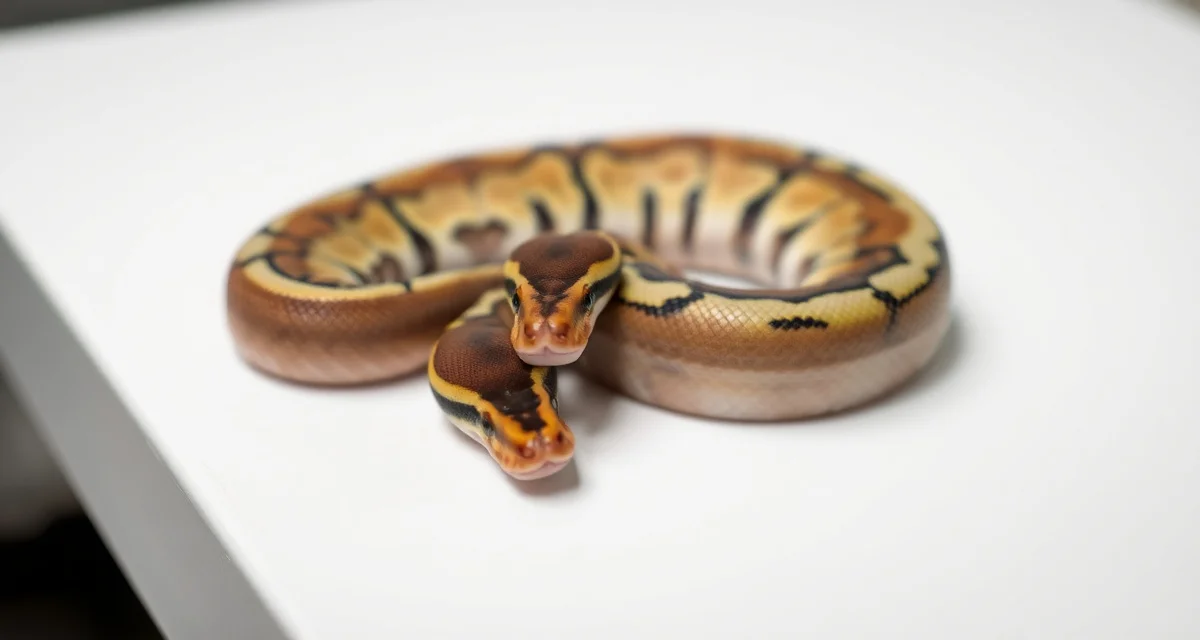
Pricing Ball Python Hatchlings: How to Set Prices Based on Morph and Market
By HatchLedger Editorial Team · Published 2025-06-16 · Updated Mar 13, 2026
Pricing hatchlings is one of the parts of breeding that new breeders often get wrong in both directions - underpricing (because they're unsure of value) or overpricing (because they're attached to what they produce). Getting pricing right requires understanding market data, your own costs, and how morph combinations affect value. Breeders using integrated software report 30% less time on administrative tasks, which means more time for the market research that good pricing decisions require.
TL;DR
- Ball python breeding operations require systematic record-keeping from pre-season preparation through end-of-season sales.
- Females at 1,200-1,500g or more are the target weight before introducing them to a breeding male.
- Ovulation detection is the key event that anchors pre-lay shed and lay date calculations.
- Clutch profitability guide depends on understanding actual cost basis per animal, not just gross sale revenue.
- Well-documented animals with complete feeding histories and clear genetic records consistently sell faster and at higher prices.
Start With Market Research
Before you price anything, know what the market is actually paying. The best sources:
MorphMarket: The largest online ball python marketplace. Search your specific morph combination, filter for "sold" listings if available, and see what animals actually moved at what prices. Pay attention to:
- Animals at similar ages and sizes to yours
- Listings with completed sales vs. asking prices that may not reflect real market
- How long animals at various price points are sitting unsold
Recent Expo and show prices: What are established breeders charging for comparable animals at events in your region? This gives you real transaction data.
Facebook groups and reptile communities: Asking in breeder communities about current market rates for specific combos is common and most experienced breeders are happy to give general guidance.
Don't rely on what you paid for parent animals to set prices. The resale market for hatchlings operates on current supply and demand, not your historical acquisition costs.
How Morph Rarity and Demand Affect Pricing
Morph value is driven by two factors: production difficulty and buyer demand. These don't always correlate.
High-value scenarios:
- Morphs that require multiple generations and recessive genes to produce (double recessives like Albino Pied, Clown Pied)
- Morphs currently trending in the market
- High-quality expression of popular morphs (a very bright, clean Pastel is worth more than a dull one)
- Sex: females typically sell for more than males, because females are the production animals in a breeding program
Lower-value scenarios:
- Morphs that are widely produced and oversupplied (standard Pastels, Normals)
- Animals with visible health issues or low-quality expression
- Males in combinations where females are the primary demand
- Unusual combos that look interesting but don't have an established buyer base
Account for Your Costs
Know your cost per hatchling so you understand whether your pricing is actually profitable. Your cost basis includes:
- Acquisition cost of parent animals (amortized across expected seasons of production)
- Annual feeding costs for the parents
- Incubation supplies (substrate, electricity for incubator)
- Any veterinary costs during the season
- Shipping and supplies if you're selling online
Divide your total costs by the number of viable hatchlings you produced to get a rough cost-per-hatchling. If your cost is $50 per hatchling and you're selling Pastels for $60, you're not building a sustainable program.
Sex-Based Pricing
Female ball pythons typically sell for 2-3x the price of males for identical morph combinations, simply because females are the production animals in a breeding program. A female Pastel Pied may sell for $800 while a male Pastel Pied moves for $350.
Price males and females separately. Listing males at female prices will result in animals sitting for months. Listing females at male prices is leaving money on the table.
How Condition and Documentation Affect Price
Two animals with identical genetics guide can have different market values based on condition and documentation:
- A well-fed, healthy animal at good weight commands a premium
- Documented parentage (especially for hets) adds verifiable value
- Clear, high-quality photographs that show the animal accurately help sell at asking price
- Reputation of the seller - buyers pay more to established, known breeders
This is why your breeding records - maintained in HatchLedger's production tracking system - are a financial asset, not just administrative overhead. Documentation sells animals at better prices.
For how different tools help with production-to-sale record-keeping, see the reptile breeder software comparison.
Frequently Asked Questions
What is the best approach to pricing ball python hatchlings based on morph?
Check MorphMarket and recent expo prices for sold (not just listed) comparable animals. Factor in age, sex, condition, and documentation quality alongside morph genetics. Know your cost-per-hatchling so you understand whether your prices are sustainable. Price females and males separately. Start at market rate rather than above it - an unsold animal at a high price generates no income, while a sold animal at market rate returns cash you can reinvest.
How do professional breeders handle ball python hatchling pricing decisions?
Experienced breeders research current market prices before setting asking prices each season, because morph values shift year to year as production increases or demand changes. They track their actual sale prices and time-to-sell data across seasons to calibrate whether their pricing is competitive. They price based on what the market will bear today, not on what they paid for parent animals historically.
What software helps manage ball python sale pricing and financial records?
HatchLedger is purpose-built for reptile breeders, connecting animal records, breeding history, clutch outcomes, and financial tracking in one system. Unlike generic spreadsheets, it's designed around the specific workflow of an active breeding season. Free for up to 20 animals.
What records should every reptile breeder maintain per animal?
At minimum: acquisition date and source, morph and genetic documentation, feeding log, weight history, any veterinary treatments, and breeding history including pairing dates, clutch of origin for captive-bred animals, and offspring records. These records serve your own management, buyer documentation, regulatory compliance, and long-term genetic tracking.
How should reptile breeders document genetics for buyers?
A complete genetic record for sale includes the animal's visual morph name, confirmed het genes and their basis (parentage documentation or proven-out production), possible het genes with probability percentages, hatch date, and parent morph information. Including clutch-of-origin records lets buyers independently verify the claims.
What is Pricing Ball Python Hatchlings: How to Set Prices Based on Morph and Market?
Pricing Ball Python Hatchlings: How to Set Prices Based on Morph and Market is a practical guide for reptile breeders covering how to value hatchlings accurately. It walks through using market data sources like MorphMarket, understanding how morph combinations affect price, calculating your true cost basis per animal, and avoiding common mistakes like underpricing out of uncertainty or overpricing due to emotional attachment to your own animals.
How much does Pricing Ball Python Hatchlings: How to Set Prices Based on Morph and Market cost?
There is no direct cost to access pricing guidance — the concepts are freely applicable to your own operation. However, your hatchling prices will vary widely based on morph rarity, ranging from $50-100 for common normals to thousands for high-demand designer combinations. Your actual profitability depends on tracking cost basis per animal, including feeding, housing, and breeding overhead, against realistic market sale prices.
How does Pricing Ball Python Hatchlings: How to Set Prices Based on Morph and Market work?
The process works by anchoring prices to real market data rather than guesswork. Breeders research current sold listings on platforms like MorphMarket to see what buyers are actually paying for specific morph combinations. That market baseline is then compared against your calculated cost per hatchling — including female maintenance, incubation, and time — to determine a price that is competitive, profitable, and defensible to buyers.
What are the benefits of Pricing Ball Python Hatchlings: How to Set Prices Based on Morph and Market?
Accurate pricing protects your reputation and your margins simultaneously. Underpricing leaves money on the table and signals low confidence in your animals. Overpricing leads to unsold inventory and cash flow problems. A structured pricing approach also helps you identify which pairings are genuinely profitable versus which clutches are costing you more than they return, allowing smarter breeding decisions in future seasons.
Who needs Pricing Ball Python Hatchlings: How to Set Prices Based on Morph and Market?
Any ball python breeder producing hatchlings for sale benefits from a structured pricing approach — from hobbyists selling their first clutch to established operations running dozens of females. Newer breeders especially benefit since they lack the intuition built from years of market exposure. Breeders with complete feeding histories and clear genetic documentation for their animals consistently command higher prices and faster sales regardless of experience level.
How long does Pricing Ball Python Hatchlings: How to Set Prices Based on Morph and Market take?
Pricing research itself takes a few hours per season if done systematically — searching sold listings, noting morph trends, and updating your price sheet before animals hatch. Setting prices on individual hatchlings takes minutes once you have a framework. The bigger time investment is maintaining the genetic records and feeding logs that justify premium pricing, which integrated breeding software can reduce by around 30% compared to manual tracking.
Related Articles
Sources
- USARK (United States Association of Reptile Keepers)
- Association of Reptilian and Amphibian Veterinarians (ARAV)
- World of Ball Pythons (WoBP genetics reference database)
- MorphMarket (reptile industry marketplace)
- Reptiles Magazine (Bowtie Inc.)
Get Started with HatchLedger
Every part of a ball python breeding operation -- from pairing records to clutch documentation to financial tracking -- works better when the data is connected rather than scattered across notebooks and spreadsheets. HatchLedger is built for exactly that. Try it free with up to 20 animals.