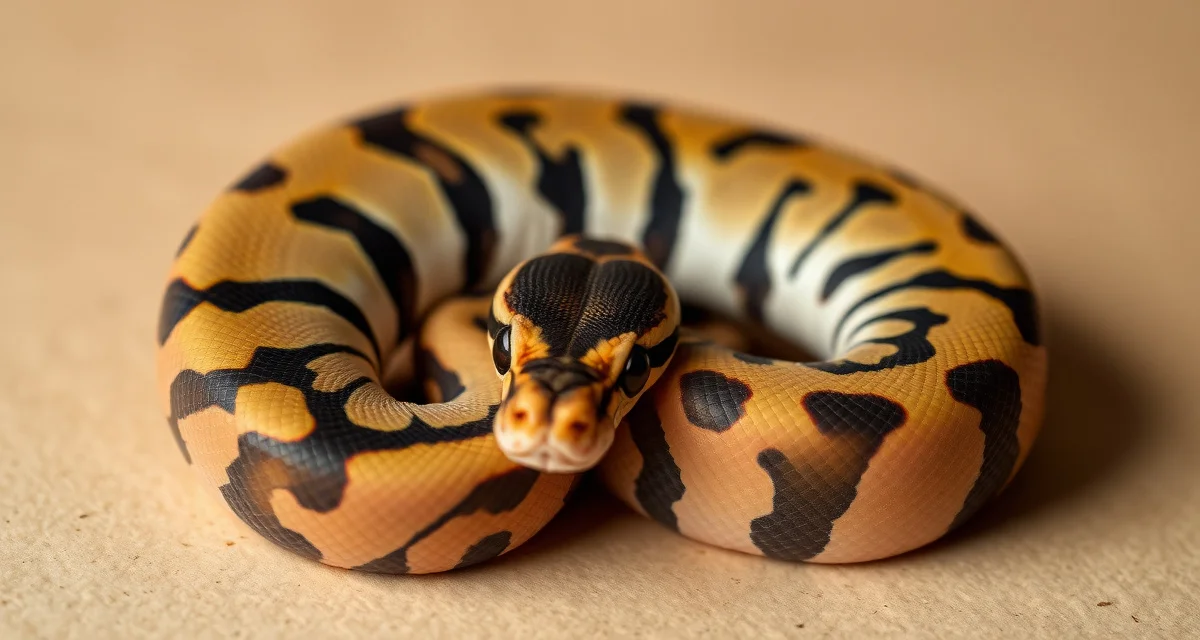
Ball Python Combo Morph Naming Conventions Explained
You're looking at a clutch of hatchlings. One of them is clearly something, the pattern is bolder, the color's shifted, there's something about the head. But what do you call it? And how do you know what order to list the genes?
TL;DR
- Ball python breeding operations require systematic record-keeping from pre-season preparation through end-of-season sales.
- Females at 1,200-1,500g or more are the target weight before introducing them to a breeding male.
- Ovulation detection is the key event that anchors pre-lay shed and lay date calculations.
- Clutch profitability guide depends on understanding actual cost basis per animal, not just gross sale revenue.
- Well-documented animals with complete feeding histories and clear genetic records consistently sell faster and at higher prices.
Ball python combo morph naming is one of the most confusing aspects of the hobby for newer breeders, and honestly, for experienced ones too. There's no formal governing body. Names evolve, persist through marketing, and sometimes bear little resemblance to the genes that make up the animal.
Breeders using integrated software report 30% less time on administrative tasks, time better spent actually understanding what you hatched.
The Basics: How Combo Names Get Created
When two or more morphs are expressed in the same animal, the resulting combination may have a unique trade name, or it may simply be described by listing its component genes.
Trade names are typically coined by the first person to produce and sell a specific combination. Some of these names stick because the combo looks genuinely distinctive. Others persist through marketing momentum even when the animal is basically just the sum of its parts.
Examples of well-established trade names:
- Bumblebee = Spider + Pastel
- Killer Bee = Spider + Super Pastel
- Pewter = Cinnamon + Pastel
- Black Magic = Cinnamon + Super Pastel
- Freeway = Highway + Pastel (Yellow Belly + Pastel)
Each of these has a name that's widely recognized and used consistently in the market.
The Naming Order Problem
When a trade name doesn't exist, breeders list the component genes. But what order? This is where inconsistency enters the picture.
There's no universal standard, but common conventions include:
Alphabetical Order
Some breeders default to alphabetical. Easy to apply consistently, though it produces names that don't always read naturally.
Dominant/Co-dominant First
Many breeders list dominant or co-dominant genes before recessive genes. This reflects the genetic expression hierarchy and makes it easier to read which traits are "contributing the most" visually.
Market Convention
Over time, the community converges on common orderings for popular combos. Pastel Clown is more commonly written that way than Clown Pastel, even though alphabetically "Clown" would come first. Following community convention aids searchability and buyer recognition.
Supers and Specials First
Super forms (homozygous co-dominants) are typically named first: Super Pastel Clown, not Clown Super Pastel.
The practical reality: for well-known combos, follow community convention. For novel or less-common combos, consistency within your own program matters more than any particular order.
Trade Names vs. Genetic Descriptions
This is where real confusion enters. A buyer or breeder who doesn't know the hobby may not know that "Bumblebee" means Spider Pastel. Conversely, experienced buyers may not recognize a novel trade name you've coined for a new combination you've produced.
Best practice: use the trade name AND provide the genetic breakdown in your listings, especially for animals you're selling.
Bad listing: "Bumblebee for sale, $250"
Better listing: "Bumblebee (Spider Pastel) ball python, female, $250"
This serves buyers who don't recognize the trade name and reassures experienced buyers who want to verify what they're getting.
Super Forms and How They're Named
When a co-dominant gene is present in two copies (homozygous), it expresses as a "super" form. Naming conventions:
- Pastel + Pastel = Super Pastel
- Mojave + Mojave = Super Mojave (Blue Eyed Leucistic / BEL)
- Enchi + Enchi = Super Enchi
- Lesser + Lesser = Super Lesser (also BEL, White)
For multi-gene combos involving supers: the super designation attaches to the specific gene in super form. A Super Pastel Clown is homozygous for Pastel and also carries Clown. A Super Pastel het Clown is homozygous Pastel carrying one copy of Clown.
This distinction matters enormously in listings. Get it wrong and you're misrepresenting what you're selling.
Hets and Possible Hets
Heterozygous (het) animals carry one copy of a recessive gene that doesn't visually express. They look normal but can produce visual animals when bred to another het or visual.
Naming conventions:
- Proven het Clown: animal whose parentage confirms one Clown gene
- 66% het Clown: animal with a 66% probability of carrying Clown, based on pairing outcomes
- 50% het Clown: animal with a 50% probability
- Possible het Clown: informal, sometimes used synonymously with statistical hets
The percentage refers to the statistical likelihood given the pairing, not a certainty. A "66% het" may or may not actually carry the gene, it's a probability statement, not a confirmation.
When selling hets, always state whether they're proven or statistical, and include the pairing that produced the animal so buyers can verify.
Keeping Your Records Accurate
For your own program, maintaining precise genetic records per animal matters. A mistake in your records, logging a Pastel Clown as a Clown, or a het animal as visual, cascades through future pairing decisions.
HatchLedger lets you record morph designations, het status, and parentage per animal, so your genetic records stay linked to your actual clutch history rather than existing in a separate spreadsheet that can get out of sync.
For anyone buying and selling animals, understanding the full reptile breeder software landscape can help you decide what level of record-keeping infrastructure your program needs.
Novel Combos: To Name or Not to Name
If you produce a combination that hasn't been named or doesn't have a community-recognized name, you have a choice: create a trade name or simply describe it by genes.
Creating a trade name that sticks is difficult. The community has to adopt it, and adoption requires visibility and marketing. Unless you're producing notable numbers of the combo and plan to establish it in the market, listing by gene description is usually clearer and more honest.
If you do coin a name, define it clearly in your listings. "Lavender (Super Pastel Enchi Axanthic)", where the trade name is followed by the genetic breakdown in parentheses, is the clearest format.
FAQ
What is the best approach to ball python combo morph naming?
Follow community-established trade names where they exist and provide the genetic breakdown alongside any trade name you use. For novel combos without established names, list the component genes consistently using either alphabetical or dominant-first ordering. Always distinguish between proven hets and statistical hets, and include the source pairing information.
How do professional breeders handle ball python combo morph naming in listings?
Professional breeders pair trade names with genetic breakdowns in their listings to serve both newer buyers who may not recognize the trade name and experienced buyers who want to verify genetics guide. They also maintain consistent internal naming conventions in their records to avoid errors that compound over multiple generations.
What software helps manage ball python combo morph naming and records?
HatchLedger is purpose-built for reptile breeders, connecting animal records, breeding history, clutch outcomes, and financial tracking in one connected system. Unlike general spreadsheets or notes apps, it's designed around the specific workflow of an active breeding season -- from pairing records through hatchling inventory and sales documentation. Free for up to 20 animals.
Sources
- USARK (United States Association of Reptile Keepers)
- Association of Reptilian and Amphibian Veterinarians (ARAV)
- World of Ball Pythons (WoBP genetics reference database)
- MorphMarket (reptile industry marketplace)
- Reptiles Magazine (Bowtie Inc.)
Get Started with HatchLedger
Every part of a ball python breeding operation -- from pairing records to clutch documentation to financial tracking -- works better when the data is connected rather than scattered across notebooks and spreadsheets. HatchLedger is built for exactly that. Try it free with up to 20 animals.