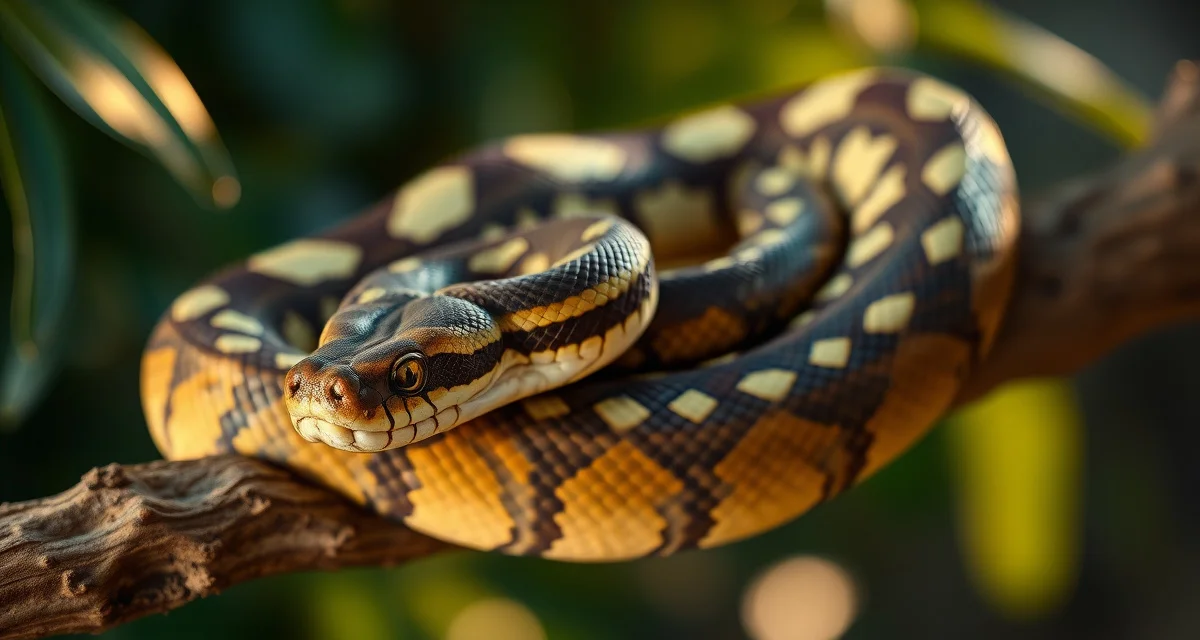
Reticulated Python Seasonal Cycling: Complete Breeder Guide
By HatchLedger Editorial Team · Published 2025-06-26 · Updated Mar 13, 2026
Reticulated pythons are tropical animals from Southeast Asia, where temperatures are relatively consistent year-round compared to temperate-zone species. This means cycling protocol for retics involves more modest temperature changes than what you'd use for ball pythons or corn snakes, but the principles are the same: a period of reduced temperatures and photoperiod changes to stimulate breeding behavior. Getting cycling right is foundational to everything that follows. Breeders using integrated software report 30% less time on administrative tasks, leaving time to carefully monitor the behavioral changes that signal successful cycling.
TL;DR
- Reticulated pythons (Malayopython reticulatus) are the world's longest snake species, with breeding females commonly exceeding 10-14 feet.
- Clutch sizes average 30-60 eggs, making retics one of the most productive large constrictors in captive breeding.
- Temperature drops of 5-8 degrees Fahrenheit over 6-8 weeks typically trigger breeding behavior without the longer cooling required by temperate species.
- Incubation runs 80-90 days at 88-90 degrees Fahrenheit, longer than most python species due to egg size.
- Super dwarf and dwarf locality animals are bred specifically for smaller adult size and command significant premiums over standard retics.
Why Cycling Matters for Retics
In their native range, reticulated pythons experience seasonal variation in both temperature and day length. The wet and dry seasons of Southeast Asia, combined with slight temperature differences, influence reproductive timing. In captivity, replicating these cues triggers the hormonal changes that prepare both males and females for breeding.
An animal that hasn't been properly cycled may show reduced or absent breeding behavior. Males that aren't cycled adequately won't show reliable breeding interest. Females that haven't experienced the cycling stimulus may not develop follicles appropriately. Investing in proper cycling prevents a full season of frustrating unproductive pairings.
Temperature Reduction Protocol
Retic cycling doesn't require dramatic temperature reductions. Unlike temperate-zone colubrids that need near-brumation temperatures, retics need only a modest drop from their normal maintenance temperatures.
Standard approach: reduce temperatures by 5-8F from normal maintenance levels for 4-6 weeks. If you normally maintain animals at 82-88F ambient with a basking spot at 90F, cycle them at 76-80F ambient with no basking option or a reduced basking spot at 84-86F.
Reduction is gradual, not sudden. Drop temperatures over 1-2 weeks rather than all at once. The animals should cool down progressively, not experience an abrupt thermal shock.
Photoperiod Changes
Alongside temperature, reduce day length during the cycling period. Retics in their native range experience shorter days in the season preceding breeding activity. In captivity, reducing photoperiod to 10-11 hours of light per day during cooling (down from 12-13 hours maintenance) reinforces the seasonal signal.
If your animals are in rooms with windows, natural day length changes will do some of this work automatically depending on your latitude and the season you're cycling. Breeders in the southern U.S. running cooling cycles in November-December get natural day length reduction at the same time.
Artificial lighting on a timer gives you full control regardless of ambient light conditions and lets you run your cycling schedule independently of the calendar season.
Feeding During Cycling
Reduce feeding frequency during the cooling period. Animals in cooler conditions have reduced metabolic rates and digest more slowly. Feeding at normal intervals can lead to food sitting undigested in the gut, which creates bacterial and digestive issues.
Feed your retics once every 3-4 weeks during the cooling period, and offer smaller prey items than normal maintenance feeding. Monitor animal condition through the cycle. Animals shouldn't be losing significant weight during a properly managed 4-6 week cooling period.
Stop feeding animals entirely for the last 1-2 weeks of cooling before you begin temperature ramp-up. This ensures all food is fully digested before temperatures return to normal ranges.
Return to Normal Temperatures
After 4-6 weeks at reduced temperatures, gradually increase conditions back toward normal over 1-2 weeks. As temperatures return to maintenance levels, feeding can resume and breeding introductions can begin.
Males often show a marked increase in activity and behavioral changes when temperatures come back up. Restlessness, searching behavior, and increased tongue flicking are signs that the male is ready for breeding introductions. Don't rush introductions -- let animals fully return to normal temperatures and resume eating before pairing begins.
HatchLedger logs cycling start and end dates, temperature observations during cooling, and breeding season start events, creating a complete seasonal record per animal.
Documenting Cycling Cycles
Track your cycling start date, temperature levels during cooling, photoperiod changes, feeding frequency during cooling, and ramp-up date for each animal. This documentation lets you evaluate whether your cycling protocol is producing consistent results and identify animals that didn't respond as expected.
If a female doesn't cycle and breed successfully, reviewing the cooling period records often identifies the issue: temperatures that didn't drop enough, a cooling period that was too short, or an animal that was already in poor condition going in. Data makes troubleshooting possible.
HatchLedger connects cycling records to breeding outcomes and financial performance for full seasonal analysis.
Frequently Asked Questions
What is the best approach to reticulated python seasonal cycling?
Reduce temperatures 5-8F from maintenance levels for 4-6 weeks, ramping down gradually over 1-2 weeks. Reduce photoperiod to 10-11 hours simultaneously. Reduce feeding frequency to every 3-4 weeks with smaller prey items during the cool period. Stop feeding entirely 1-2 weeks before temperature return. Ramp temperatures back up gradually over 1-2 weeks before beginning breeding introductions. Log cycling start, temperatures observed, and ramp-up date for every animal. Compare cycling results across multiple seasons to refine your protocol.
How do professional breeders handle reticulated python seasonal cycling?
Professional retic breeders run consistent cycling protocols and document them in detail so they can evaluate what's working. They watch for behavioral changes that confirm animals have responded to cycling -- male restlessness and searching behavior, female increased activity and receptivity -- before beginning pairings. They don't rush pairings before animals are ready. They compare results across seasons to identify which animals cycle reliably and which may need protocol adjustments or veterinary evaluation for underlying reproductive issues.
What software helps manage reticulated python seasonal cycling records?
HatchLedger tracks cycling records, pairing introductions, clutch documentation, locality lineage, and sale records for reticulated python breeders. With large animals, large clutches, and locality documentation all requiring careful records, having everything in one system reduces the risk of documentation errors at sale. Free for up to 20 animals.
What is the difference between standard, dwarf, and super dwarf reticulated pythons?
Standard reticulated pythons are the full-size animals from mainland Asian populations. Dwarf retics originate from island populations (Kalatoa, Kayuadi) and typically reach 8-12 feet. Super dwarf retics from Madu and Selayer islands often cap below 8 feet. These size differences are locality-based, and crossing localities produces intermediates. Locality documentation in your records is essential for accurate representation to buyers.
What are the legal considerations for keeping and breeding reticulated pythons?
Regulations vary significantly by state and municipality. Several US states restrict or ban large constrictors, and federal regulations under the Lacey Act apply to some populations. USARK maintains current regulatory information. Before breeding retics at scale, confirm that selling and shipping animals is permitted in your jurisdiction and target markets.
What is Reticulated Python Seasonal Cycling: Complete Breeder Guide?
Reticulated Python Seasonal Cycling: Complete Breeder Guide is a comprehensive resource covering the breeding preparation process for reticulated pythons (Malayopython reticulatus), the world's longest snake species. It explains how to use controlled temperature reductions and photoperiod adjustments to stimulate breeding behavior in captive retics, including dwarf and super dwarf locality animals. The guide covers everything from initial cooling protocols through egg incubation, helping breeders maximize clutch success with animals that can produce 30-60 eggs per season.
How much does Reticulated Python Seasonal Cycling: Complete Breeder Guide cost?
The guide itself is free educational content available on HatchLedger. There are no costs associated with reading the article. However, successful reticulated python breeding does involve investment in quality breeding stock, temperature-control equipment, and incubation setups. HatchLedger offers breeding management software that breeders reference in the guide—tools that reportedly save breeders around 30% of administrative time, allowing closer monitoring of the behavioral cues that indicate successful cycling.
How does Reticulated Python Seasonal Cycling: Complete Breeder Guide work?
Reticulated python seasonal cycling works by gradually reducing enclosure temperatures by 5-8 degrees Fahrenheit over a 6-8 week period, combined with reduced photoperiod. Unlike temperate species, retics require only modest cooling since Southeast Asian climates are relatively stable year-round. These environmental changes trigger hormonal shifts that stimulate breeding behavior. Once cycling is complete, temperatures are restored, and successful pairings lead to clutches that incubate at 88-90°F for 80-90 days.
What are the benefits of Reticulated Python Seasonal Cycling: Complete Breeder Guide?
Proper seasonal cycling dramatically improves breeding success rates by aligning reproductive behavior with natural hormonal cycles. Benefits include larger, more viable clutches averaging 30-60 eggs, stronger follicle development in females, and more reliable breeding behavior from males. For breeders working with premium dwarf and super dwarf locality animals—which command significant market premiums—consistent cycling is essential to protect the investment in quality breeding stock and maintain a productive annual breeding program.
Who needs Reticulated Python Seasonal Cycling: Complete Breeder Guide?
This guide is essential for anyone keeping reticulated pythons with breeding goals, from hobbyist breeders producing their first clutch to professional operations scaling a retic program. It's particularly valuable for breeders transitioning from other python species like ball pythons or corn snakes, since retic cycling protocols differ meaningfully. Those working with dwarf or super dwarf locality animals will also benefit, as proper cycling is critical when managing animals that represent significant financial investment.
How long does Reticulated Python Seasonal Cycling: Complete Breeder Guide take?
The full cycling process for reticulated pythons takes approximately 3-4 months from start to first eggs. The initial temperature reduction phase spans 6-8 weeks, followed by a warming and pairing period. After successful copulation, females develop follicles over several weeks before laying. Eggs then incubate for 80-90 days at 88-90°F—longer than most python species due to egg size. From beginning the cooling protocol to holding hatchlings, breeders should plan for roughly 5-6 months total.
Related Articles
- Green Tree Python Seasonal Cycling: Complete Breeder Guide
- Boa Constrictor Seasonal Cycling: Complete Breeder Guide
Sources
- USARK (United States Association of Reptile Keepers)
- Association of Reptilian and Amphibian Veterinarians (ARAV)
- Journal of Herpetology (Society for the Study of Amphibians and Reptiles)
- CITES Appendix II (international trade documentation)
- Southeast Asian Biodiversity Society
Get Started with HatchLedger
Reticulated python breeding at any scale involves large animals, large clutches, morph and locality genetics overview, and compliance and shipping records that require an organized system to manage well. HatchLedger tracks every animal, pairing, clutch, and sale record in one place. Try it free with up to 20 animals.