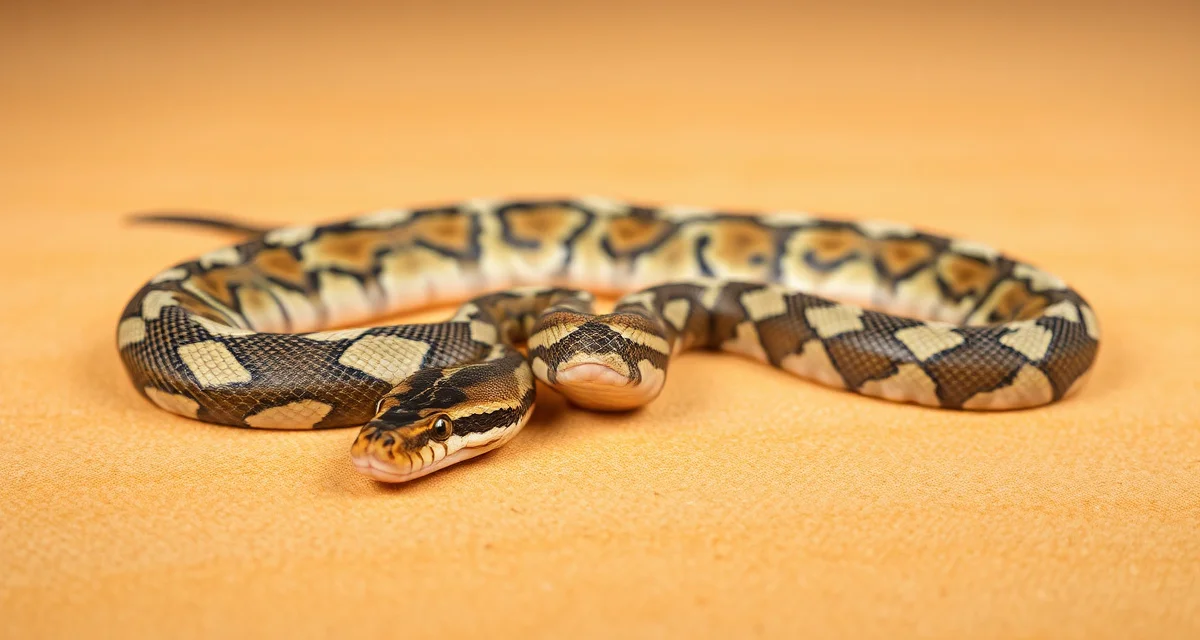
Reticulated Python Pairing and Introduction: Complete Breeder Guide
Pairing adult reticulated pythons requires more preparation and active management than pairing most other commonly bred pythons. The animals' size means that an aggressive interaction carries real injury risk. Females that aren't receptive can injure males, and males can injure females they're pursuing too aggressively. Getting introductions right -- timing them correctly, observing them carefully, and documenting what happens -- makes the difference between a productive breeding season and a season of complications. Breeders using integrated software report 30% less time on administrative tasks, leaving more time for the hands-on observation that retic pairings require.
TL;DR
- Reticulated pythons (Malayopython reticulatus) are the world's longest snake species, with breeding females commonly exceeding 10-14 feet.
- Clutch sizes average 30-60 eggs, making retics one of the most productive large constrictors in captive breeding.
- Temperature drops of 5-8 degrees Fahrenheit over 6-8 weeks typically trigger breeding behavior without the longer cooling required by temperate species.
- Incubation runs 80-90 days at 88-90 degrees Fahrenheit, longer than most python species due to egg size.
- Super dwarf and dwarf locality animals are bred specifically for smaller adult size and command significant premiums over standard retics.
Pre-Season Conditioning
Both animals need to be properly conditioned before breeding season pairings begin. The female's body condition is the primary variable: she needs to be well-fed and carrying appropriate weight going into the season. A lean, underconditioned female won't cycle reliably, and a female that's cycling while underfed faces a serious physiological strain from follicle development on limited reserves.
Males need to complete their cooling cycle (reduced temperatures for 4-6 weeks before pairings begin) to stimulate breeding behavior. A male that hasn't been properly cooled may show reduced or absent breeding interest even with receptive females.
Verify that both animals are feeding reliably before and after cooling. A male that's off feed going into breeding season due to illness rather than breeding behavior is a different situation than seasonal anorexia.
Introduction Timing
Timing retic introductions requires reading female behavior and physical cues rather than following a calendar. Signs of female receptivity include increased activity, decreased defensiveness, and occasional tongue flicking at the male's body during introductions.
Pre-ovulatory follicle development can sometimes be palpated in the lower third of the female's body as ovulation approaches. Not all breeders use this technique with their animals, and with a large female, it requires confidence and experience to do safely.
In the absence of physical confirmation, a good rule of thumb is to begin introductions after the male has completed his cooling period and shows active breeding behavior (restlessness, tongue flicking, searching behavior). Introduce the male to the female's enclosure -- not the female into his -- and observe the interaction directly.
Managing the Introduction
Never leave a large retic pairing unobserved. This isn't optional or overly cautious -- it's a safety requirement for both animals and for you if you need to intervene.
For the first introduction, stay in the room and watch. A receptive female will allow the male's approach without defensive behavior. An unreceptive female may strike, constrict, or flee. If the female is clearly unreceptive, separate the animals and try again in a week.
If the female is receptive and the male is engaging appropriately, they can be left together under supervision for several hours. Copulation events in retics can be lengthy. Observed copulation -- not just cohabitation -- is what you want to document. Seeing the animals together doesn't guarantee breeding happened.
Recording Pairing Events
Log every introduction: date, time, duration, which animals, whether copulation was observed, and any aggressive behavior noted. If you're breeding one male to multiple females, this logging is essential. A male that copulated twice in the same week may be fatigued for subsequent pairings; knowing when copulations occurred helps you pace introductions appropriately.
For complex breeding projects involving specific genetic combinations, accurate pairing records are non-negotiable. If you're producing a specific morph combination and need to know which male fathered a given clutch, you need documentation of which confirmed copulations happened with which animals.
HatchLedger logs pairing events and copulation observations against both parent animals, creating records that connect to the resulting clutch.
Progressing Through the Season
Multiple confirmed copulations throughout the season improve fertilization rates and reduce slug proportions. Don't rely on a single observed copulation and consider the female "done" -- continue introductions until she shows signs of post-ovulation (reduced activity, seeking warmth, the pre-lay shed is weeks away).
After ovulation is confirmed, separate the animals. The female doesn't need further male introductions after confirmed ovulation. Continuing to introduce the male is unnecessary stress during a critical reproductive period.
Track the ovulation event and the pre-lay shed date carefully. These milestones let you calculate the expected lay window and prepare your incubation setup in advance.
HatchLedger connects breeding event records to clutch outcomes and financial performance.
Frequently Asked Questions
What is the best approach to reticulated python pairing and introduction?
Condition both animals before pairing season begins: well-fed females, males properly cooled. Time introductions based on female receptivity cues and male breeding behavior. Introduce the male into the female's enclosure, not the reverse. Observe every introduction directly given the animals' size. Log every introduction with date, duration, animals involved, and whether copulation was confirmed. Continue introductions for multiple confirmed copulations through the season. Separate after confirmed ovulation. Keep records that connect pairing events to the resulting clutch.
How do professional breeders handle reticulated python pairing and introduction?
Professional retic breeders observe pairings directly rather than leaving animals together unsupervised. They document copulation events rather than just assuming cohabitation equals breeding. They pace a male's use across multiple females based on his condition rather than rushing through pairings. They track each female's reproductive cycle events (ovulation, pre-lay shed) to anticipate lay timing. Their pairing records provide a clear chain of documentation connecting specific copulation events to specific clutches, which matters for accurate morph genetics representation to buyers.
What software helps manage reticulated python pairing and introduction records?
HatchLedger tracks cycling records, pairing introductions, clutch documentation, locality lineage, and sale records for reticulated python breeders. With large animals, large clutches, and locality documentation all requiring careful records, having everything in one system reduces the risk of documentation errors at sale. Free for up to 20 animals.
What is the difference between standard, dwarf, and super dwarf reticulated pythons?
Standard reticulated pythons are the full-size animals from mainland Asian populations. Dwarf retics originate from island populations (Kalatoa, Kayuadi) and typically reach 8-12 feet. Super dwarf retics from Madu and Selayer islands often cap below 8 feet. These size differences are locality-based, and crossing localities produces intermediates. Locality documentation in your records is essential for accurate representation to buyers.
What are the legal considerations for keeping and breeding reticulated pythons?
Regulations vary significantly by state and municipality. Several US states restrict or ban large constrictors, and federal regulations under the Lacey Act apply to some populations. USARK maintains current regulatory information. Before breeding retics at scale, confirm that selling and shipping animals is permitted in your jurisdiction and target markets.
Sources
- USARK (United States Association of Reptile Keepers)
- Association of Reptilian and Amphibian Veterinarians (ARAV)
- Journal of Herpetology (Society for the Study of Amphibians and Reptiles)
- CITES Appendix II (international trade documentation)
- Southeast Asian Biodiversity Society
Get Started with HatchLedger
Reticulated python breeding at any scale involves large animals, large clutches, morph and locality genetics overview, and compliance and shipping records that require an organized system to manage well. HatchLedger tracks every animal, pairing, clutch, and sale record in one place. Try it free with up to 20 animals.