Reticulated Python Incubation Parameters: Complete Breeder Guide
Reticulated python egg incubation at scale -- 50-100 eggs from a single female -- requires proper infrastructure, consistent monitoring, and attention to the same temperature and humidity fundamentals that govern any successful python incubation. Breeders using integrated software report 30% less time on administrative tasks, which is time needed for the regular egg checks that a large retic clutch demands over a 60-80 day incubation period.
TL;DR
- Reticulated pythons (Malayopython reticulatus) are the world's longest snake species, with breeding females commonly exceeding 10-14 feet.
- Clutch sizes average 30-60 eggs, making retics one of the most productive large constrictors in captive breeding.
- Temperature drops of 5-8 degrees Fahrenheit over 6-8 weeks typically trigger breeding behavior without the longer cooling required by temperate species.
- Incubation runs 80-90 days at 88-90 degrees Fahrenheit, longer than most python species due to egg size.
- Super dwarf and dwarf locality animals are bred specifically for smaller adult size and command significant premiums over standard retics.
Temperature Parameters
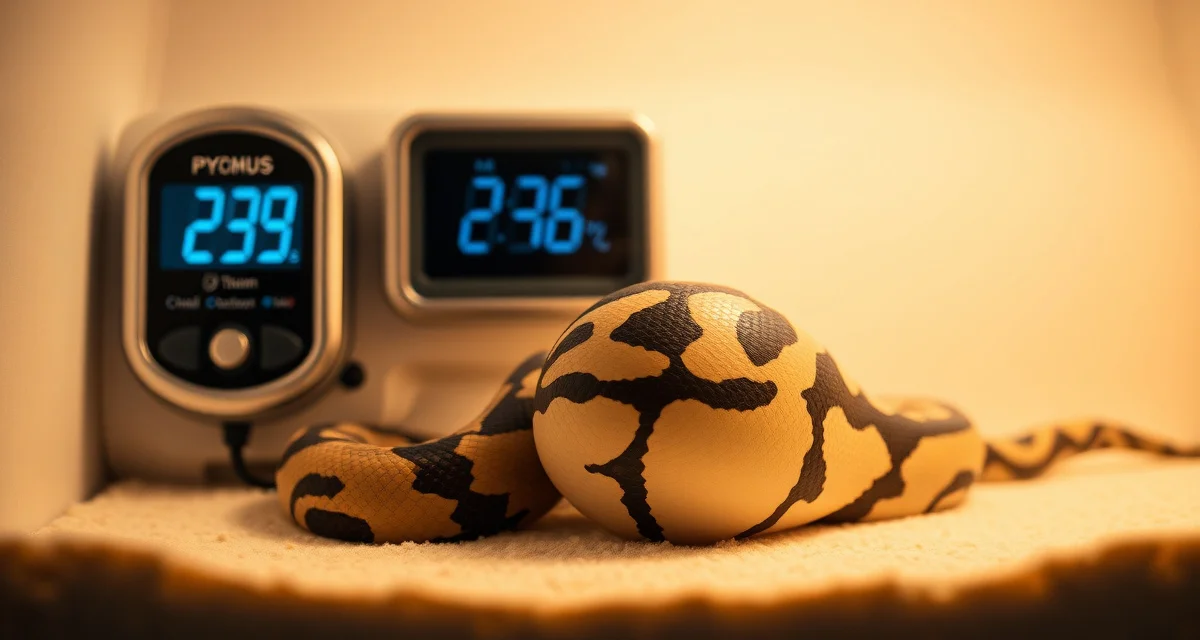
Incubate reticulated python eggs at 88-90F (31-32C). This is consistent with other large python species. At this temperature range, incubation runs approximately 60-80 days. Temperature consistency throughout the incubation period is more important than hitting an exact number -- an incubator that holds 88.5F steadily is better than one that cycles between 85F and 92F.
Verify actual egg-level temperature with a calibrated independent probe rather than relying solely on your incubator's display. A temperature difference of even 2-3F between the displayed and actual temperature can meaningfully affect hatch rates and incubation duration.
Temperature spikes above 93-95F can damage or kill developing embryos. Install a temperature alarm in your incubation area. For a large retic clutch representing significant financial value, the cost of a temperature alarm is a trivial insurance expense.
Humidity Management
Use perlite substrate at a 1:1 ratio by weight (perlite to water by weight). This provides appropriate moisture retention for retic eggs, which are large and have corresponding moisture needs.
Monitor egg condition throughout incubation. Eggs that dehydrate show visible dimpling and shrinkage. Eggs in excessively wet conditions may show surface mold or a waterlogged appearance. Adjust substrate moisture based on what you observe, not based on a fixed schedule.
Tracking egg weight from lay (weighing the container or individual eggs) provides an objective measure of moisture balance. Eggs losing more than 10-15% of their lay weight by mid-incubation are too dry.
Managing Large Clutches
For clutches of 50+ eggs, use multiple incubation containers rather than a single large tub. Separating eggs across two to four containers reduces the risk that a localized problem (mold outbreak, moisture issue) affects the entire clutch.
Containers need small ventilation openings -- developing embryos produce CO2 and need gas exchange. Pure airtight containers accumulate CO2 and impair development.
Some retic breeders allow maternal incubation, particularly for smaller clutches from supermorph or dwarf lines. Full-size retic females brooding 60+ eggs undergo significant physical strain over the 60-80 day fast. Well-conditioned females handle this; marginal females should use artificial incubation.
HatchLedger tracks incubation start dates, temperature logs, and hatch records for each clutch.
HatchLedger connects incubation records to clutch P&L for complete financial tracking.
Frequently Asked Questions
What is the best approach to reticulated python egg incubation parameters?
Incubate at 88-90F on perlite at 1:1 by weight. Verify actual egg-level temperature with a calibrated probe. Use multiple containers for large clutches. Include small ventilation openings in all containers. Monitor egg condition every 3-4 days and adjust moisture if needed. Install a temperature alarm for early warning of equipment failure. For well-conditioned females, especially smaller lines, maternal incubation is a viable alternative.
How do professional breeders handle reticulated python incubation?
Professionals plan their incubation infrastructure for the scale of clutch they expect before the female lays -- they don't scramble to find containers for 70 eggs after the fact. They verify temperatures with calibrated probes, monitor egg condition regularly, and log temperature data throughout incubation so that poor hatch rates can be investigated with actual data rather than assumptions.
What software helps manage reticulated python incubation records?
HatchLedger tracks cycling records, pairing introductions, clutch documentation, locality lineage, and sale records for reticulated python breeders. With large animals, large clutches, and locality documentation all requiring careful records, having everything in one system reduces the risk of documentation errors at sale. Free for up to 20 animals.
What is the difference between standard, dwarf, and super dwarf reticulated pythons?
Standard reticulated pythons are the full-size animals from mainland Asian populations. Dwarf retics originate from island populations (Kalatoa, Kayuadi) and typically reach 8-12 feet. Super dwarf retics from Madu and Selayer islands often cap below 8 feet. These size differences are locality-based, and crossing localities produces intermediates. Locality documentation in your records is essential for accurate representation to buyers.
What are the legal considerations for keeping and breeding reticulated pythons?
Regulations vary significantly by state and municipality. Several US states restrict or ban large constrictors, and federal regulations under the Lacey Act apply to some populations. USARK maintains current regulatory information. Before breeding retics at scale, confirm that selling and shipping animals is permitted in your jurisdiction and target markets.
Sources
- USARK (United States Association of Reptile Keepers)
- Association of Reptilian and Amphibian Veterinarians (ARAV)
- Journal of Herpetology (Society for the Study of Amphibians and Reptiles)
- CITES Appendix II (international trade documentation)
- Southeast Asian Biodiversity Society
Get Started with HatchLedger
Reticulated python breeding at any scale involves large animals, large clutches, morph and locality genetics overview, and compliance and shipping records that require an organized system to manage well. HatchLedger tracks every animal, pairing, clutch, and sale record in one place. Try it free with up to 20 animals.