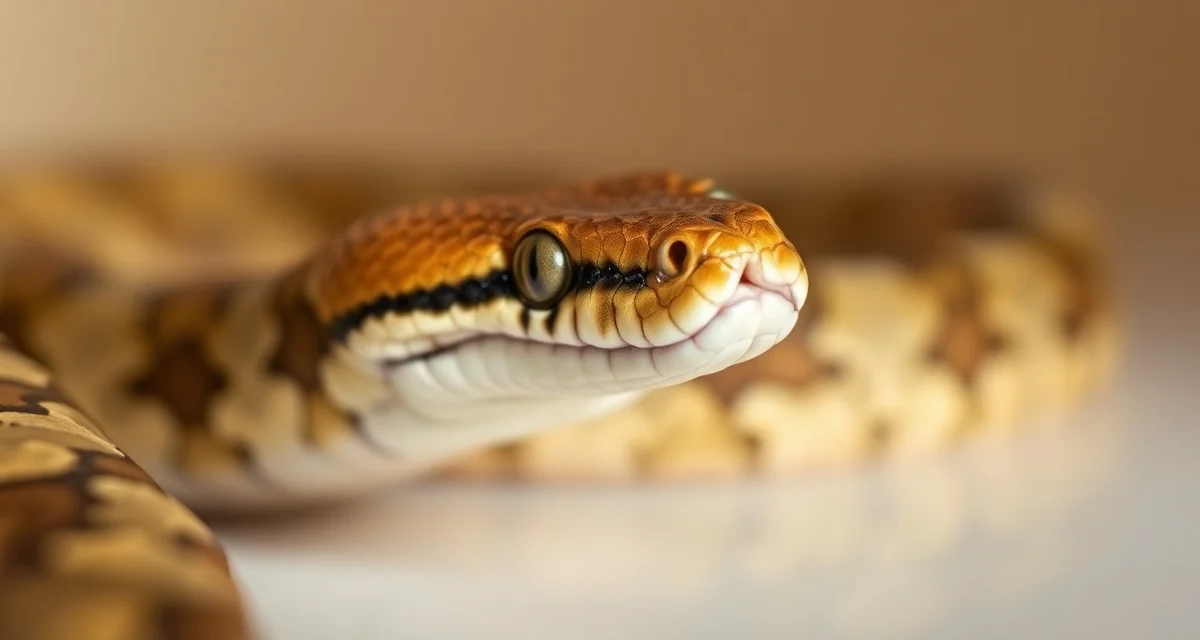
Reticulated Python Common Health Issues: Complete Breeder Guide
By HatchLedger Editorial Team · Published 2025-01-30 · Updated Mar 13, 2026
Reticulated pythons are hardy animals, but breeders who keep large collections face a constant challenge: catching health problems early before they spread or escalate into losses. Breeders using integrated software report 30% less time on administrative tasks, which frees up more time for the daily observation that catches illness early. When your records are organized and accessible, you notice patterns faster and act before small issues become expensive ones.
TL;DR
- Reticulated pythons (Malayopython reticulatus) are the world's longest snake species, with breeding females commonly exceeding 10-14 feet.
- Clutch sizes average 30-60 eggs, making retics one of the most productive large constrictors in captive breeding.
- Temperature drops of 5-8 degrees Fahrenheit over 6-8 weeks typically trigger breeding behavior without the longer cooling required by temperate species.
- Incubation runs 80-90 days at 88-90 degrees Fahrenheit, longer than most python species due to egg size.
- Super dwarf and dwarf locality animals are bred specifically for smaller adult size and command significant premiums over standard retics.
Unlike spreadsheets and tools like HerpTracker that treat husbandry and finances as separate systems, HatchLedger connects your care logs directly to your clutch P&L. That means when a female misses feedings during a health scare before breeding, you can see the downstream impact on her clutch outcomes in the same platform.
The Most Common Health Issues in Reticulated Pythons
Respiratory Infections
Respiratory infections are among the most common problems retic breeders face. Symptoms include wheezing, open-mouth breathing, mucus around the nares, and lethargy. They're usually caused by temperature drops, inadequate humidity, or stress during breeding cycling.
Keep your ambient temperature in the 88-92°F range on the warm side and ensure nighttime temps don't dip below 80°F. Any animal showing respiratory symptoms should be isolated immediately. Log the onset date, symptoms, and treatment in HatchLedger's husbandry notes so you have a clear timeline for your vet.
Inclusion Body Disease (IBD)
IBD is a viral disease caused by an arenavirus. It's particularly devastating because it's contagious and there's no cure. Signs include stargazing (the snake holds its head at an abnormal angle), regurgitation, and neurological abnormalities.
Any suspected IBD case requires immediate quarantine, vet confirmation, and difficult decisions about the collection. Maintaining detailed feeding and behavior logs makes it far easier to trace exposure and identify which animals may have been in contact.
Mites and External Parasites
Scale mites (Ophionyssus natricis) are common in large collections. You'll see small red or black dots moving between scales, excessive soaking, and rubbing behavior. A single infested animal can spread mites through a rack system quickly.
Treat affected animals with appropriate products, deep-clean the enclosure, and log every treatment date. If you're tracking animals across multiple rack systems in HatchLedger, you can filter by housing location to identify all animals at risk from a single infestation event.
Regurgitation
Reticulated pythons occasionally regurgitate meals, and understanding the cause matters. Common triggers include handling too soon after feeding, temperatures that are too cool to digest, stress, or early signs of an infection. Log feeding dates and times, prey size, and any subsequent regurgitation in your records.
The pattern matters. One regurgitation can be a fluke. Two in a row signals something worth investigating. Three or more means the animal needs a vet visit. Your feeding log in HatchLedger's reptile breeder hub gives you this history at a glance without hunting through notebooks or spreadsheets.
Dysecdysis (Retained Shed)
Retained shed happens when humidity is too low, the animal is dehydrated, or an underlying health issue is present. Watch for incomplete sheds, particularly retained eye caps, which can cause vision problems and infection.
Check ambient humidity with a reliable gauge and ensure your retics have access to a humid hide or soak option during shed cycles. Note shed dates and quality in your husbandry log. A breeder managing dozens of animals needs a system that makes this effortless, not one more thing to chase across multiple notebooks.
Mouth Rot (Stomatitis)
Infectious stomatitis presents as redness, swelling, or discharge around the mouth. In retics, it often follows a feeding injury or trauma to the jaw. Early cases respond well to treatment; advanced cases can cause bone damage.
Inspect the mouth regularly during routine handling checks. Log any abnormalities immediately. If you pair your husbandry records with your reptile breeder software comparison of available tools, you'll quickly see that centralized digital logs beat paper records for spotting issues before they escalate.
Building a Prevention Protocol
Prevention beats treatment every time. For a healthy reticulated python collection, focus on these pillars:
Quarantine every new animal. New arrivals should spend a minimum of 90 days in a dedicated quarantine space before joining the main collection. Log all feeding, shedding, and behavior during this period.
Maintain consistent temperatures. Retics are large animals that generate body heat, but they still need proper ambient warmth. Temperature swings are one of the leading triggers for respiratory problems.
Feed appropriately sized prey. Prey items should be roughly the same diameter as the widest point of the snake's body. Oversize prey increases regurgitation risk and jaw stress.
Weigh animals regularly. Weight loss is one of the earliest indicators of illness. Monthly weight logs in HatchLedger let you graph trends and catch gradual decline before it becomes a crisis.
Work with a reptile vet. Establish a relationship with a vet experienced in large constrictors before you have an emergency, not during one.
How HatchLedger Helps You Manage Health Records
Spreadsheets are static. They don't alert you when a feeding pattern changes, and they can't connect a health event to the financial outcome of a breeding season. HatchLedger is designed for working breeders who need records that actually inform decisions.
When you log a health event in HatchLedger, you can tie it to the specific animal, track vet visits and treatment costs, and see how the event affected that animal's breeding productivity. If a female retic misses multiple feedings due to illness and then produces a smaller-than-expected clutch, you have a complete record linking those events.
That kind of documentation also protects you when selling animals. Buyers increasingly ask for health histories, and a complete digital record is far more credible than a handwritten note.
Frequently Asked Questions
What is the best approach to reticulated python common health issues?
The best approach combines prevention with rapid response. Keep temperatures and humidity stable, quarantine new animals for at least 90 days, feed appropriate prey sizes, and weigh animals monthly. When you notice something off, log it immediately and act quickly. Digital records that connect husbandry notes to individual animals make it far easier to spot patterns and share accurate histories with a vet. Integrated breeding software like HatchLedger gives you a centralized place to log all health events alongside feeding, shedding, and breeding data so nothing gets missed.
How do professional breeders handle reticulated python common health issues?
Professional retic breeders treat health management as a system, not a reaction. They maintain strict quarantine protocols, do regular visual checks during feeding, weigh animals on a consistent schedule, and keep detailed logs of any abnormalities. They build relationships with reptile-experienced vets before an emergency arises. Many use purpose-built breeder software to track health events across a large collection without losing information in notebooks or disconnected spreadsheets. When an issue does emerge, they isolate affected animals immediately and document everything for vet review.
What software helps manage reticulated python common health issues?
HatchLedger tracks cycling records, pairing introductions, clutch documentation, locality lineage, and sale records for reticulated python breeders. With large animals, large clutches, and locality documentation all requiring careful records, having everything in one system reduces the risk of documentation errors at sale. Free for up to 20 animals.
What is the difference between standard, dwarf, and super dwarf reticulated pythons?
Standard reticulated pythons are the full-size animals from mainland Asian populations. Dwarf retics originate from island populations (Kalatoa, Kayuadi) and typically reach 8-12 feet. Super dwarf retics from Madu and Selayer islands often cap below 8 feet. These size differences are locality-based, and crossing localities produces intermediates. Locality documentation in your records is essential for accurate representation to buyers.
What are the legal considerations for keeping and breeding reticulated pythons?
Regulations vary significantly by state and municipality. Several US states restrict or ban large constrictors, and federal regulations under the Lacey Act apply to some populations. USARK maintains current regulatory information. Before breeding retics at scale, confirm that selling and shipping animals is permitted in your jurisdiction and target markets.
What is Reticulated Python Common Health Issues: Complete Breeder Guide?
This guide covers the most common health issues reticulated python breeders encounter, including respiratory infections, inclusion body disease, parasites, scale rot, and feeding problems. It provides practical identification tips, prevention strategies, and treatment recommendations tailored to breeders managing large collections of Malayopython reticulatus, the world's longest snake species.
How much does Reticulated Python Common Health Issues: Complete Breeder Guide cost?
This is a free educational resource available on HatchLedger. There is no cost to access the guide. HatchLedger offers paid breeder management software that complements the guide by helping you track health records, spot patterns across your collection, and connect husbandry logs directly to clutch performance and financials.
How does Reticulated Python Common Health Issues: Complete Breeder Guide work?
The guide walks breeders through recognizing early warning signs of illness, understanding disease transmission risks in large collections, and implementing record-keeping practices that help catch problems before they spread. It combines species-specific biology knowledge with practical husbandry advice relevant to both dwarf locality animals and standard retics.
What are the benefits of Reticulated Python Common Health Issues: Complete Breeder Guide?
The guide helps breeders reduce losses by catching health issues earlier, improve response times through better record organization, and make more informed decisions about quarantine and treatment. Breeders using integrated software alongside resources like this report spending 30% less time on admin, freeing more time for the hands-on observation that saves animals.
Who needs Reticulated Python Common Health Issues: Complete Breeder Guide?
This guide is written for reticulated python breeders of all experience levels, particularly those managing larger collections where disease can spread quickly. It is especially useful for breeders working with high-value super dwarf and dwarf locality animals, where a single health miss can represent a significant financial and genetic loss.
How long does Reticulated Python Common Health Issues: Complete Breeder Guide take?
Reading the guide takes approximately 10-15 minutes. Implementing its recommendations is an ongoing practice. Daily observation habits and consistent record-keeping pay dividends over an entire breeding season, from the 6-8 week temperature drop used to trigger breeding through the 80-90 day incubation period and into hatchling care.
Sources
- USARK (United States Association of Reptile Keepers)
- Association of Reptilian and Amphibian Veterinarians (ARAV)
- Journal of Herpetology (Society for the Study of Amphibians and Reptiles)
- CITES Appendix II (international trade documentation)
- Southeast Asian Biodiversity Society
Get Started with HatchLedger
Reticulated python breeding at any scale involves large animals, large clutches, morph and locality genetics overview, and compliance and shipping records that require an organized system to manage well. HatchLedger tracks every animal, pairing, clutch, and sale record in one place. Try it free with up to 20 animals.