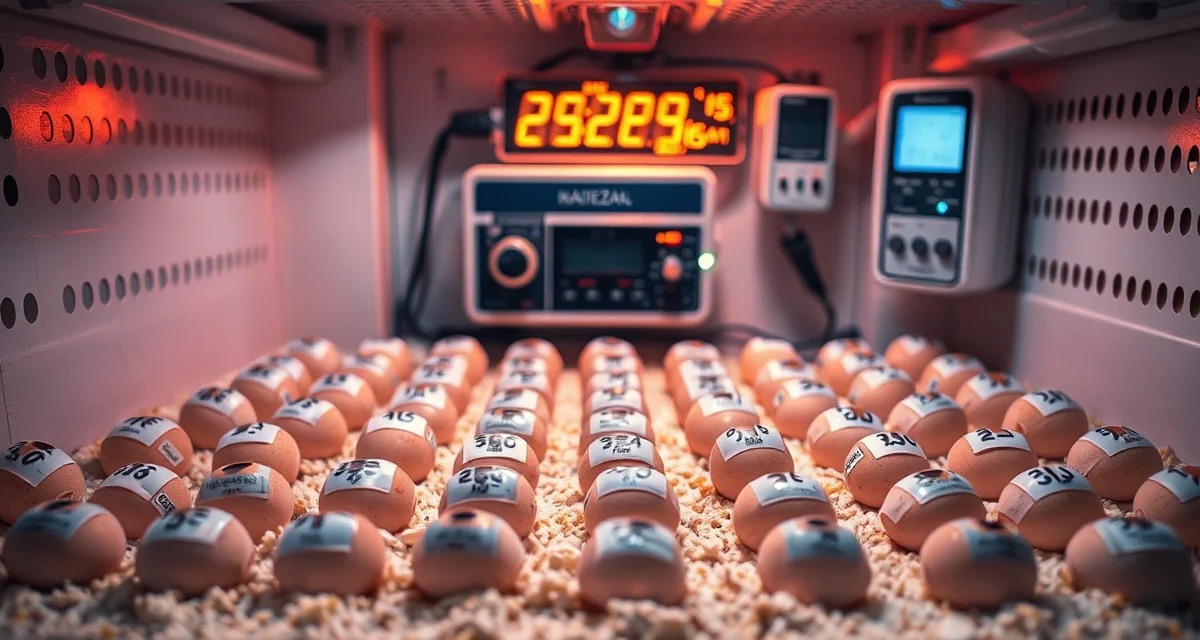
Reptile Egg Incubation Tracking: From Lay to Hatch
Incubation tracking bridges the gap between a female laying eggs and hatchlings emerging. Documenting what happens during the 55-90 days of incubation gives you the data to diagnose problems, improve hatch rates, and verify that your incubation setup is performing as intended.
Setting Up the Incubation Record
Every clutch gets its own incubation record, linked to the parent breeding record and the resulting hatchling records.
At setup, document:
- Clutch ID and parent IDs
- Lay date
- Number of fertile eggs set and slugs identified/removed
- Incubation container type and volume
- Substrate: type, dry weight, water weight, and ratio
- Setup date
- Incubator model and location
- Temperature target and initial verified temperature at egg level
- Humidity inside container at setup
- Expected pip window (calculated from lay date and target temperature)
This baseline documentation is your reference for the entire incubation period.
Temperature Target by Species
Different reptile species require different incubation temperatures:
- Ball pythons: 88-90F (31-32C)
- Blood pythons: 84-86F (29-30C)
- Western hognose: 82-85F (28-29C)
- Corn snakes: 80-85F (27-29C)
- Boa constrictors: 86-88F (30-31C)
Exceeding target temperatures by more than 1-2 degrees above the upper limit risks embryo death and developmental deformities. Document your actual temperatures, not just your thermostat settings.
Weekly Monitoring Log
Check each clutch at least weekly and create a log entry:
- Date of check
- Temperature reading inside egg container (measured at egg level, not ambient)
- Humidity reading inside container
- Egg appearance: any changes from previous check?
- Any problem eggs: describe specifically
- Any actions taken
This weekly log creates a complete incubation history. When a clutch has a poor hatch rate, you can review the log to identify temperature spikes, humidity losses, or progressive egg deterioration that might explain the outcome.
Recognizing Egg Health Changes
Healthy egg signs: Firm texture, white to cream color, steady or slight increase in size as embryo develops, condensation droplets on exterior surface.
Warning signs: Dimpling (humidity loss), yellowing (possible death), mold growth (inspect closely, may indicate dead egg), unusual softness, foul odor.
When to remove an egg: Remove when you are confident it is dead. Signs of death: complete collapse and softening, extensive yellowing, foul odor, mold penetrating the shell. Removing a live egg is a worse outcome than leaving a dead one a day or two longer. When uncertain, monitor for 24-48 hours before removing.
Hatch Documentation
First pip: Document the date and which egg pipped first. The pip is when the hatchling first cuts through the shell with its egg tooth.
Duration from first pip to emergence: Hatchlings typically emerge 24-72 hours after pip. Document any cases where hatchlings were slow to emerge after pip (may indicate need for assisted hatching).
Hatch date: The date when the majority of hatchlings have fully emerged.
Final hatch count: Healthy hatchlings vs. fertile eggs set. This is your hatch rate. A season-average hatch rate below 80% warrants investigation.
Dead-in-egg documentation: If any eggs contain fully developed hatchlings that did not emerge, document the finding. Common causes: malposition (wrong orientation), developmental weakness, incubation problem.
HatchLedger calculates incubation duration and hatch rates automatically from documented lay dates, incubation temperatures, and hatch outcomes.
Related content: Clutch Monitoring Records | Improving Hatch Rates | Reptile Incubation Records
Sources
- World of Ball Pythons incubation guides
- Ball Python Breeders Association incubation protocols
- Association of Reptilian and Amphibian Veterinarians (ARAV)