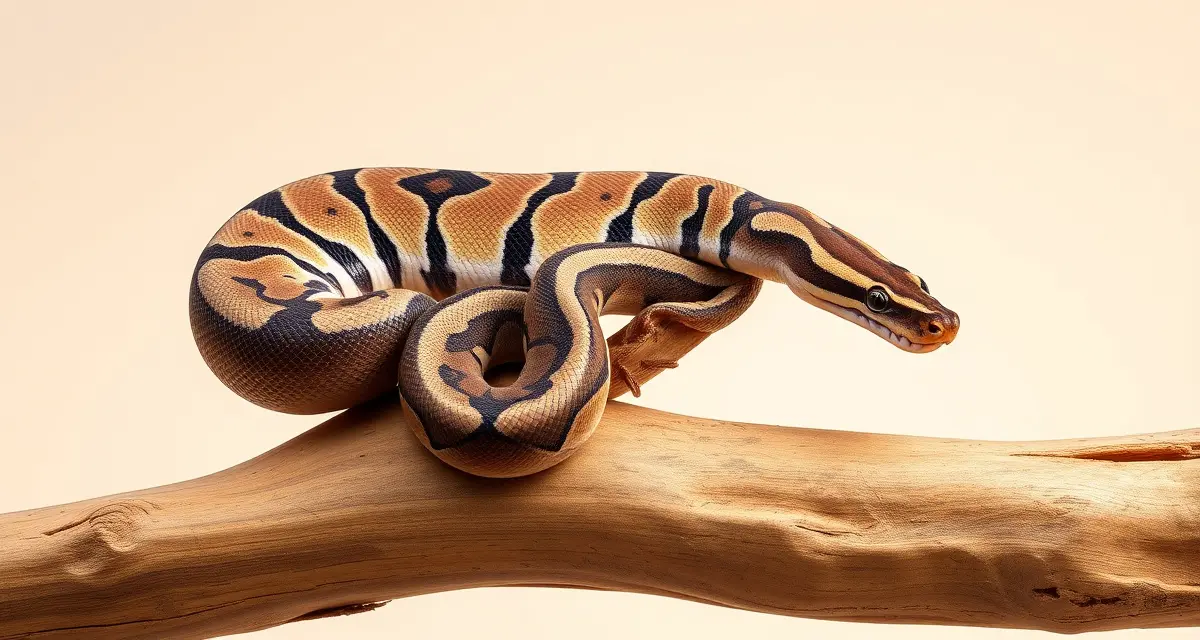
Ball Python Morphs $1000 to $2500: Buyer and Seller Guide
By HatchLedger Editorial Team · Published 2025-05-09 · Updated Mar 13, 2026
The $1,000 to $2,500 range is where multi-recessive project animals, high-quality visual recessive females, and premium combination animals live. Buyers in this range are typically experienced breeders with specific project goals. Sellers need exceptional documentation and presentation to justify these prices.
TL;DR
- Ball python pricing varies significantly by morph, sex, age, documentation quality, and seller reputation.
- Males of most morphs sell for 30-50% less than equivalent females due to sex differences in breeding utility.
- Animals with complete genetic documentation and clean feeding histories consistently sell faster and at higher prices.
- MorphMarket seller fees guide is the most transparent pricing reference available, with real-time listings for comparable animals.
- Understanding your actual cost basis per animal is the only way to know whether a sale price generates profit or a loss.
What Ball Python Morphs Fall in the $1000 to $2500 Range?
High-Quality Visual Recessive Females: Female Pieds with high white percentage, female Clowns, female Albinos, and similar single-recessive visual females at the top of their expression quality regularly sell for $1,000 to $1,800.
Multi-Recessive Combination Animals (single recessive + co-dom): A visual Pied female that's also Pastel (Pastel Pied female) or Banana Pied can reach $1,200 to $2,000+.
100% Het Multi-Recessive Females: A female that's visual for one recessive and 100% het for a second recessive (like a visual Clown female that's 100% het Pied) can sell for $1,500 to $2,500. These are direct production tools for the most valuable combination animals.
Premium Single-Recessive Project Animals: Animals like Axanthic Pied, Axanthic Clown, and similar combinations of two recessives in visual form typically fall in this range.
Scaleless Females (single gene): Visual Scaleless females without additional genes often sell for $1,500 to $2,500.
Genetic Stripe Quality Females: Well-expressed female Genetic Stripes can reach $1,000 to $2,000.
What Buyers Should Know in This Price Range
At $1,000 to $2,500, you're making a serious financial commitment to a specific project. Due diligence is essential:
- Understand exactly what the animal can produce and how that contributes to your specific goals
- Verify every genetic claim with parentage documentation, photos of parents if available, and seller reputation
- Assess breeding condition: Is she at an appropriate weight? Has she reproduced before? What's her production history if she's a proven female?
- Calculate the project timeline: How many seasons until you see the combination animals you're building toward?
Buying the wrong animal at $1,500 doesn't just cost you the purchase price; it costs you the seasons of feeding, housing, and care while you realize the animal doesn't serve your project.
What Sellers Should Know in This Price Range
Buyers at this tier expect premium everything: professional photos, complete records, full parentage documentation, weight history, and a feeding record. They'll often ask detailed questions about the animal's production history if it's a proven female.
Waitlists matter at this price. If you're breeding a project that you know will produce animals in this range, start your waitlist before the eggs hatch. The buyers who specifically want these animals are often watching breeding posts on social media.
The ball python breeding hub covers buyer relationship management for premium animals. The ball python pricing industry resources keep you benchmarked against current market rates for this tier.
Return on Investment Calculations
Animals in this range often have multi-season production value that justifies the purchase price. A visual Clown female that's 100% het Pied purchased for $2,000 and bred for five seasons to a het Clown Pied male could produce dozens of Pied Clowns and Clown Pieds over her productive life. The ROI calculation is what drives project breeders to invest at this level.
Track cost basis and production revenue for every animal in this range using HatchLedger's clutch P&L features.
Frequently Asked Questions
What ball python morphs sell for $1000 to $2500?
High-white female visual Pieds and Clowns, combination visual recessive females with co-dom genes added, 100% het multi-recessive females used as direct production tools, and visual Scaleless females without additional genes typically fall in this range.
How do experienced breeders evaluate $1000 to $2500 ball python purchases?
They calculate the project value, verify every genetic claim with documentation, assess production history for proven females, and consider the total cost of ownership (purchase price plus ongoing care) against expected return from animals the purchase will produce.
What software helps manage $1000 to $2500 ball python investments?
HatchLedger is purpose-built for reptile breeders, connecting animal records, breeding history, clutch outcomes, and financial tracking in one system. Unlike generic spreadsheets, it's designed around the specific workflow of an active breeding season. Free for up to 20 animals.
How do you determine if a ball python is priced fairly?
Check MorphMarket for current listings of comparable animals -- same morph, similar age, same sex. Factor in seller reputation and whether the animal has an established feeding history and clear genetic documentation. A lower-priced animal with unclear genetics or no feeding history may not be the better value compared to a slightly higher-priced animal with complete records.
Does seller reputation affect ball python sale price?
Yes, significantly. Established breeders with years of positive reviews can command 10-30% premiums over new sellers for comparable animals. Buyers pay for confidence in the documentation and the post-sale relationship. Building a reputation for accurate genetics, honest condition disclosures, and responsive communication directly impacts what you can charge.
What documentation should be included with any ball python sale?
At minimum: morph name and genetic makeup including confirmed and possible hets, hatch date, sex, current weight, feeding history (number of meals, prey type and size, last meal date), and parent morph information. Animals sold with complete documentation consistently move faster and at higher prices than animals sold without records.
What is Ball Python Morphs $1000 to $2500: Buyer and Seller Guide?
This guide covers ball python morphs priced between $1,000 and $2,500 — a tier dominated by high-quality visual recessive females, multi-recessive project animals, and premium combination morphs. It helps buyers understand what justifies these prices and helps sellers present animals effectively. Key topics include morph categories at this price point, how sex affects value, documentation requirements, and how to evaluate comparable listings on MorphMarket.
How much does Ball Python Morphs $1000 to $2500: Buyer and Seller Guide cost?
Animals in this range typically include female Pieds with high white percentage ($1,000–$1,800), female Clowns, female Albinos at top expression quality, and multi-recessive combinations like Pastel Pied females. Exact pricing depends on morph, sex, visual quality, feeding history, and seller reputation. Males of equivalent genetics often sell for 30–50% less due to lower breeding utility in most pairing strategies.
How does Ball Python Morphs $1000 to $2500: Buyer and Seller Guide work?
This guide works by breaking the $1,000–$2,500 tier into specific morph categories, explaining the genetic and market logic behind each price band. Buyers learn what documentation and expression quality to expect. Sellers learn how to cost their animals correctly and present them to experienced buyers. MorphMarket listings serve as the real-time pricing benchmark throughout.
What are the benefits of Ball Python Morphs $1000 to $2500: Buyer and Seller Guide?
For buyers, this guide prevents overpaying for animals that don't meet project goals and helps identify red flags in listings. For sellers, it clarifies how to document genetics, feeding records, and visual quality to sell faster and at stronger prices. Understanding cost basis per animal also helps sellers know whether a transaction is genuinely profitable before committing to a price.
Who needs Ball Python Morphs $1000 to $2500: Buyer and Seller Guide?
This guide is for experienced reptile breeders and serious hobbyists operating at the $1,000–$2,500 investment level. Buyers at this tier typically have specific multi-generational project goals and need animals with verified genetics. Sellers targeting this range must meet higher documentation and presentation standards than lower price tiers, as buyers are knowledgeable and expect transparency on lineage, feeding history, and morph expression quality.
Related Articles
Sources
- MorphMarket (reptile industry marketplace and pricing data)
- USARK (United States Association of Reptile Keepers)
- Association of Reptilian and Amphibian Veterinarians (ARAV)
- Reptiles Magazine (Bowtie Inc.)
- Ball Python community market surveys
Get Started with HatchLedger
Knowing your cost per animal guide and tracking sale prices against that baseline is the only way to run a profitable ball python breeding operation. HatchLedger's budget calculator and clutch P&L tools do that work automatically from your existing records. Try it free with up to 20 animals.