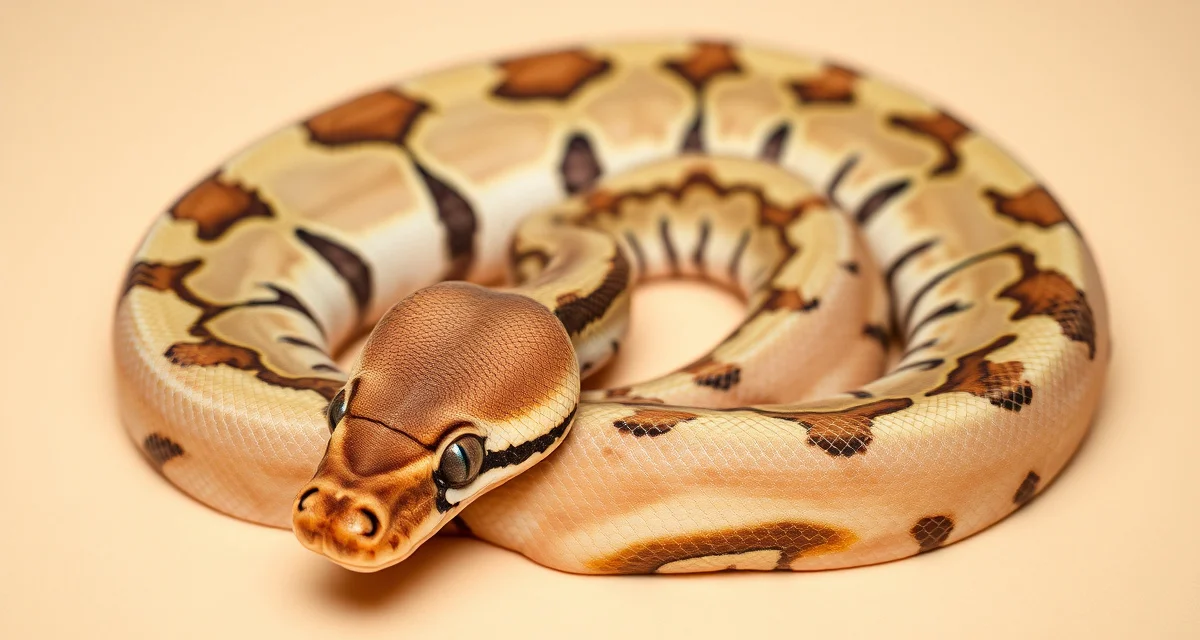
15 Most Expensive Ball Python Morphs Ranked
Not all ball python morphs are created equal when it comes to price. Some animals regularly sell for $500. Others command $5,000, $10,000, or more. The gap between common and rare in this hobby can be staggering. Here are fifteen of the most expensive morphs and combinations currently in the market.
TL;DR
- Reptile breeders benefit most from documentation systems that connect animal records, breeding history, and financial data.
- Genetics claims are only as trustworthy as the records behind them -- parentage documentation is the evidence buyers evaluate.
- Seasonal timing and cooling protocols matter significantly for reproductive success across most captive reptile species.
- Clutch profitability analysis requires knowing actual cost per animal produced, not just gross sale revenue.
- Administrative efficiency through connected records frees time for animal care and the strategic work of project planning.
1. Scaleless
Scaleless ball pythons lack the overlapping scales of a normal snake, resulting in a smooth-skinned appearance that is immediately striking and unlike anything else in the hobby. Scaleless head animals (where only the head is scaleless) are more common and less expensive, but true full scaleless animals are still rare and expensive.
Full scaleless animals routinely sell for $3,000 to $10,000+ depending on what other genes are stacked onto the scaleless trait. High-gene scaleless females can exceed those numbers.
2. Scaleless Multi-Recessive Combos
Stack Clown, Pied, or Albino onto a Scaleless animal and you're in territory where pricing becomes almost individual negotiation. Scaleless Clown females with good gene stacking have sold for $15,000 or more. These are rare trophy animals, and there's a specific buyer willing to pay.
3. Pied Clown
Both Pied and Clown are recessive, which means producing a visual Pied Clown requires parents that carry both genes. The visual result is a white-based animal with the characteristic Clown facial patterning. Female Pied Clowns are among the most sought-after animals in the hobby.
Expect $2,500 to $6,000+ for a female Pied Clown in the current market. Males are less expensive but still command well over $1,000.
4. Albino Pied
The combination of Albino and Pied produces a yellow-and-white animal with blue eyes and high-white piebald patterning. The combination of leucism from Pied and the reduced pigment from Albino creates something genuinely beautiful.
Albino Pied females typically sell for $1,500 to $4,000 depending on white percentage and visual quality.
5. Albino Clown
Another multi-recessive combination with strong market demand. The yellow-and-white reduced pattern of the Albino gene in a Clown patterned animal is visually striking. Female Albino Clowns are consistent sellers in the $1,500 to $3,500 range.
6. Blue-Eyed Leucistic (BEL) High Combinations
Standard BELs from Lesser x Mojave type pairings have come down considerably in price as production increased. But high-gene BEL combinations, particularly those with four or five Blue Eye complex genes producing ultra-clean white animals, still command $800 to $2,000 depending on expression and sex.
7. Puzzle / Stranger
The Puzzle morph and the closely related Stranger are some of the more recent morphs to generate major excitement in the hobby. They produce dramatically reduced and reorganized patterning that's visually unlike older morphs. Novelty and limited production keep prices elevated.
Puzzle females in good gene combinations sell for $2,000 to $5,000 or more while supply remains limited.
8. Genetic Stripe
Genetic Stripe is a recessive that produces a beautifully reduced pattern with clean lateral stripes. The super form is reportedly non-viable, which keeps production somewhat limited. The morph itself produces stunning combo animals.
High-quality Genetic Stripe females, especially in combo, regularly reach $1,000 to $3,000.
9. Clown Pied (Het for Het Combinations)
Even the building-block animals for top-tier projects command premium pricing. A female that's visual for one recessive and 100% het for another, like a visual Pied female that's 100% het Clown, is a direct path to Pied Clowns. These animals are priced accordingly: $1,000 to $3,000 for females in the current market.
10. GHI Mojave
The GHI Mojave is a two-gene combo that is surprisingly accessible to produce but visually stunning. The GHI gene darkens the base of what's already a blue-toned Mojave, producing animals with incredible depth of color. Female GHI Mojaves regularly sell for $500 to $1,500, high for a two-gene combo.
11. Desert Ghost Combinations
Desert Ghost is a line-bred recessive that dramatically bleaches the dorsal pattern and produces a very clean, pale appearance. In combination with high-quality color morphs, the results are exceptional. Desert Ghost females with strong additional genes sell for $1,000 to $4,000.
12. Ivory
Ivory is the super form of the Yellowbelly complex, producing a pure white to yellowish-white animal with a dorsal stripe. Ivory is accessible to produce through Yellowbelly x Yellowbelly pairings, but demand for these clean-looking animals remains steady. Female Ivorys typically sell for $300 to $700.
13. Sunset
Sunset is a co-dominant morph that produces extremely orange-heavy animals with reduced pattern. The visual expression is dramatic and unlike most other morphs. High-quality Sunset combinations are genuinely valuable with females reaching $1,000 to $3,000.
14. Axanthic Pied
Grey-and-white Pieds from the VPI Axanthic line are among the most visually distinct animals in the hobby. The complete absence of yellow combined with Piebald patterning creates something that stands apart from all-color morphs. Female Axanthic Pieds sell for $1,500 to $4,000.
15. Clown High-Gene Combos
The Clown gene is already expensive to produce. Stack additional genes, like a Pastel Enchi Clown or a Banana Clown, and you're looking at animals in the $1,500 to $5,000 range for females. The combination of Clown's dramatic pattern alteration with vibrant color morphs is what drives this market.
Understanding the Premium Market
What all these morphs share is a combination of production difficulty, visual impact, and sustained buyer demand. If you're working toward producing high-value animals, you need both the genetics and the tracking infrastructure to manage multi-season projects.
The ball python breeding hub covers project planning in depth. And a reptile breeder software comparison will show you what tools are available for tracking genetics, clutch outcomes, and financial returns across multiple seasons of project work.
Frequently Asked Questions
What are the most expensive ball python morphs?
Scaleless, multi-recessive combinations like Pied Clown and Albino Pied, and newer morphs with limited production like Puzzle and Desert Ghost combinations consistently command the highest prices. Female animals in these categories often sell for $2,000 to $10,000+.
How do professional breeders manage high-value ball python morph projects?
They plan multi-season genetics paths, document every animal's genetics carefully to verify claims, track which pairings produce premium outcomes, and manage buyer waitlists for high-value animals well before hatching.
What software helps manage expensive ball python morph genetics tracking?
HatchLedger is purpose-built for reptile breeders, connecting animal records, breeding history, clutch outcomes, and financial tracking in one system. Unlike generic spreadsheets, it's designed around the specific workflow of an active breeding season. Free for up to 20 animals.
What records should every reptile breeder maintain per animal?
At minimum: acquisition date and source, morph and genetic documentation, feeding log, weight history, any veterinary treatments, and breeding history including pairing dates, clutch of origin for captive-bred animals, and offspring records. These records serve your own management, buyer documentation, regulatory compliance, and long-term genetic tracking.
How should reptile breeders document genetics for buyers?
A complete genetic record for sale includes the animal's visual morph name, confirmed het genes and their basis (parentage documentation or proven-out production), possible het genes with probability percentages, hatch date, and parent morph information. Including clutch-of-origin records lets buyers independently verify the claims.
Sources
- USARK (United States Association of Reptile Keepers)
- Association of Reptilian and Amphibian Veterinarians (ARAV)
- World of Ball Pythons (WoBP genetics reference database)
- MorphMarket (reptile industry marketplace)
- Reptiles Magazine (Bowtie Inc.)
Get Started with HatchLedger
Reptile breeders who track animal records, breeding history, and financials in a connected system make better decisions each season and provide better documentation to buyers. HatchLedger is built for that workflow. Try it free with up to 20 animals.