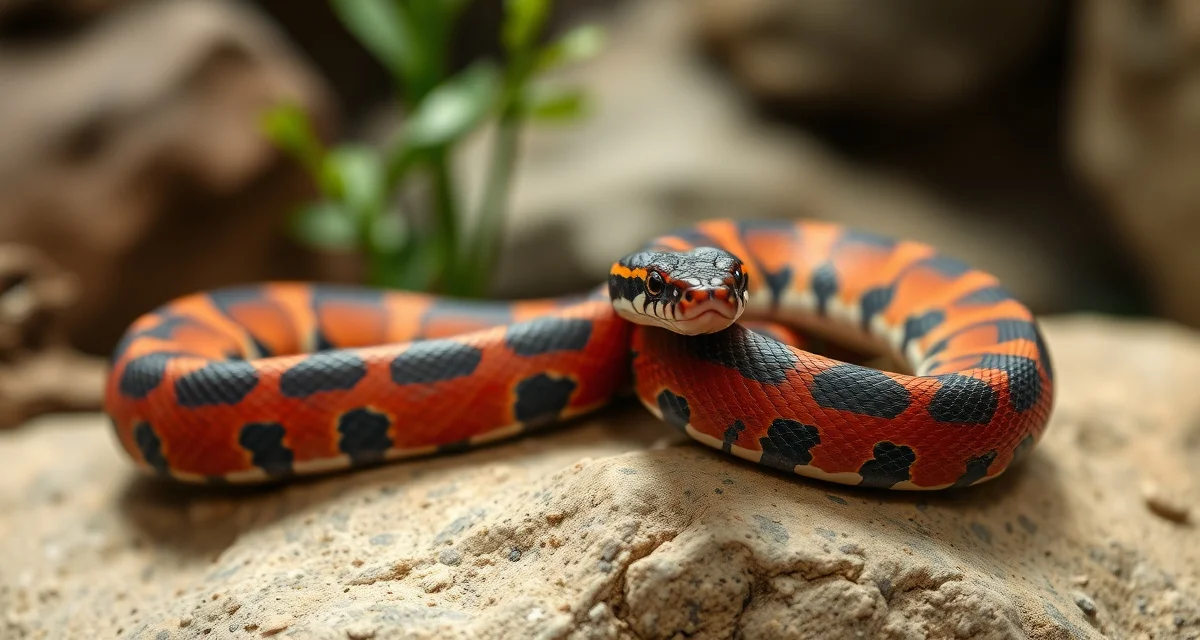
Milk Snake Health and Disease Prevention: Complete Breeder Guide
Milk snake health and disease prevention follows standard colubrid protocols with one subspecies-specific consideration: some milk snake populations in the wild carry higher parasite loads than temperate North American species, and animals from less controlled captive breeding environments may bring these into your collection without visible symptoms. Quarantine, routine fecal testing, and daily observation catch most problems before they affect your breeding program. Breeders using integrated software report 30% less time on administrative tasks, which frees time for the observation habits that catch health issues early.
TL;DR
- Milk snakes span dozens of recognized subspecies of Lampropeltis triangulum and related species, each with distinct care and breeding requirements.
- Most milk snake subspecies require 60-90 days of seasonal cycling at 50-55 degrees Fahrenheit for reliable breeding.
- Clutch sizes range from 4-18 eggs depending on subspecies, with Honduran milk snakes averaging toward the larger end.
- Incubation runs 55-70 days at 78-82 degrees Fahrenheit with moderate humidity.
- Honduran milk snakes have an active morph program with albino, hypo, and tri-color tangerine lines among the established variants.
Prevention Foundations
Quarantine
All new milk snakes enter quarantine for a minimum of 60 to 90 days in a separate space with dedicated equipment. A fecal exam during quarantine catches parasites that may not yet be causing visible symptoms.
Honduran milk snakes acquired from less controlled environments are particularly worth quarantining carefully, as some subtropical populations carry greater parasite diversity than temperate North American colubrids.
Temperature Management
Consistent appropriate temperatures prevent the respiratory infections that are the most common bacterial health issue in colubrids. All heat sources on quality thermostats. Verify probe placement and temperature at floor level periodically.
Hygiene
Spot-clean promptly, deep-clean on a regular schedule. In rack systems, prevent cross-contamination between tubs through clean tools and hand hygiene practices.
Common Health Issues
Respiratory infections: Wheezing, open-mouth breathing, mucus, lethargy. Isolate, raise temperatures, seek veterinary care. Log all symptoms and treatment in HatchLedger's reptile breeder hub.
Mites: Excessive soaking, rubbing behavior, visible parasites. Treat animal and enclosure simultaneously. Check adjacent animals. Log treatment dates and products.
Internal parasites: Annual fecal exams for breeding animals. Parasite loads reduce female condition and clutch quality without necessarily causing obvious visible symptoms. Treatment is straightforward when caught early.
Dysecdysis: Retained shed from inadequate humidity or health issues. Log every shed date and quality. Address retained eye caps with veterinary guidance.
Mouth rot: Inflammation or discharge around the gum tissue, often following feeding injuries. Log onset date and seek veterinary treatment early. Responds well to treatment when caught promptly.
Connecting Health Records to Outcomes
A breeding female whose health records show a respiratory infection during the breeding season is contextually relevant to a smaller-than-expected clutch. Your health records in reptile breeder software comparison-recommended software connect to breeding outcomes in the same system, making this correlation visible without manual cross-referencing.
Frequently Asked Questions
What is the best approach to milk snake health and disease prevention?
Quarantine every new animal for 60 to 90 days with fecal testing. Maintain consistent and appropriate temperatures with verified thermostats. Conduct annual fecal exams for breeding animals to catch parasite loads before they affect condition. Observe daily during feeding. When health issues arise, isolate, document, and seek veterinary guidance promptly. Most common milk snake health problems respond well to early treatment; delayed response leads to more advanced disease that's harder and more expensive to manage.
How do professional breeders handle milk snake health and disease prevention?
Professional milk snake breeders have written quarantine protocols, separate quarantine spaces with dedicated equipment, and established relationships with reptile vets. They conduct routine fecal testing on new animals and annually on breeding animals. They log health events systematically, track treatments to completion, and review health records when evaluating breeding candidates. Their records allow pattern identification across the collection that isn't possible with paper-based systems.
What software helps manage milk snake health and disease prevention?
HatchLedger is purpose-built for reptile breeders, connecting animal records, breeding history, clutch outcomes, and financial tracking in one system. Unlike generic spreadsheets, it's designed around the specific workflow of an active breeding season. Free for up to 20 animals.
What is the most commonly bred milk snake subspecies?
Honduran milk snakes (L. t. hondurensis) are the most widely bred milk snake subspecies due to their larger size, active morph development, and established keeper base. Nelson's milk snakes and Sinaloan milk snakes are also commonly bred. Scarlet kingsnakes have a smaller but dedicated keeper community.
How do you tell apart milk snake subspecies?
Subspecies identification relies on coloration pattern (band count and width), scale counts, and geographic origin. For captive-bred animals, documentation from the original breeder is the most reliable source. Hybridization between subspecies does occur and reduces the value and documentation reliability of offspring.
Sources
- USARK (United States Association of Reptile Keepers)
- Association of Reptilian and Amphibian Veterinarians (ARAV)
- Herpetologica (Herpetologists League)
- Society for the Study of Amphibians and Reptiles (SSAR)
- Reptiles Magazine (Bowtie Inc.)
Get Started with HatchLedger
Milk snake breeders working across subspecies and morph lines benefit from records that track lineage clearly and connect cooling protocols to seasonal clutch outcomes. HatchLedger keeps this information organized and searchable across your entire collection. Free for up to 20 animals.