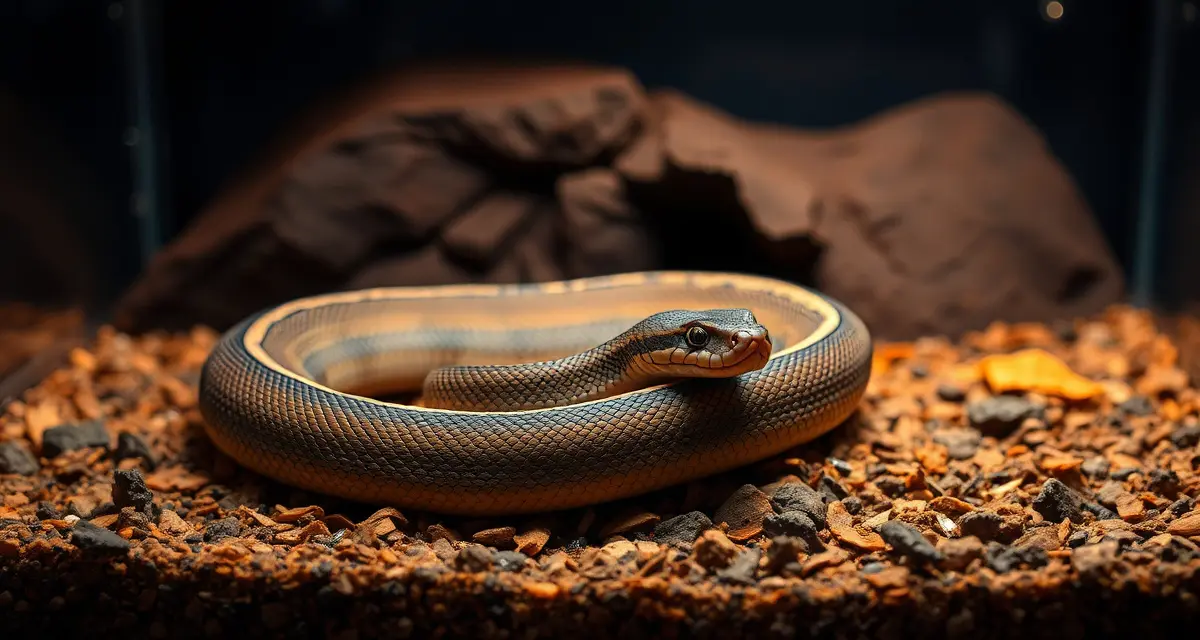
Hognose Snake Seasonal Cycling: Complete Breeder Guide
By HatchLedger Editorial Team · Published 2025-06-03 · Updated Mar 13, 2026
Hognose snake seasonal cycling is more critical to breeding success than in most other commonly kept colubrids. Western hognose snakes (Heterodon nasicus) require genuine winter cooling to reliably produce eggs, and females that skip or receive abbreviated seasonal cycling often fail to ovulate at all. Understanding the seasonal biology of the species and translating that into a practical annual management calendar is the foundation of a productive western hognose program. Breeders using integrated software report 30% less time on administrative tasks, giving you more capacity to manage the seasonal transitions that directly affect your production outcomes.
TL;DR
- Western hognose snakes (Heterodon nasicus) require 60-90 days of brumation at 50-60 degrees Fahrenheit for reliable breeding success.
- Females that skip cooling often fail to ovulate or produce infertile clutches, making brumation near-mandatory rather than optional.
- Clutch sizes average 8-18 eggs, with adult females commonly producing two clutches per season when managed well.
- Incubation runs 55-65 days at 82-84 degrees Fahrenheit with moderate humidity around 80-85%.
- Western hognose morphs include albino, axanthic, toffee, coral, and several combination lines with active development continuing.
Why Seasonal Cycling Matters for Western Hognose
Western hognose snakes are native to the Great Plains of North America, a region with genuinely cold winters. In the wild, they brumate underground from late fall through early spring, emerging when temperatures allow active foraging and reproduction. This seasonal cycle is physiologically embedded in the species.
In captivity, a female maintained at consistent temperatures year-round often fails to develop the follicles needed for reproduction. The cooling period appears to be necessary for proper hormonal cycling and follicle development. Unlike some colubrid species where cycling helps but isn't strictly necessary, western hognose females reliably benefit from full brumation protocols, and many fail to breed without them.
This isn't something to test by skipping a season and seeing what happens. Work from the assumption that cooling is required, implement a thorough protocol, and save yourself a lost breeding season.
The Western Hognose Annual Cycle
Pre-Cooling Conditioning (August to October)
The months before cooling are an investment in your next breeding season. Feed females well during this period, increasing meal frequency to every 7 days if they're receptive. The goal is to have females entering cooling at a healthy, well-conditioned body weight.
Weigh females monthly. Log weights in their individual records. A female entering cooling at 150 grams who's been maintaining that weight for several months is better positioned than a female who's been losing weight through the summer.
Males can be maintained on a standard feeding schedule. They typically need less pre-cooling conditioning emphasis than females.
Cooling Preparation (October to November)
Two weeks before planned cooling, stop feeding. This ensures no undigested prey remains in the digestive tract during the reduced-temperature period. Undigested food during cooling can cause serious health problems.
Log the last feeding date in each animal's record. In a collection of any size, this detail becomes easy to lose without documentation.
Verify your cooling space temperature before placing animals. A space that "gets cold in winter" needs to be confirmed at the target range of 50 to 60°F with a calibrated thermometer before it's trusted with your breeding collection.
Cooling Period (November to February)
Begin reducing temperatures gradually from normal care temperatures over 2 to 3 weeks. Don't drop temperatures abruptly. A gradual reduction over several weeks mimics the natural onset of fall cooling.
Target 55°F as a practical midpoint, with 50 to 60°F as the acceptable range. Some breeders target cooler temperatures within this range for brief periods, but avoiding drops below 45°F is important.
Maintain the full cooling period for 60 to 90 days. Many experienced western hognose breeders report better results with 90 days than 60. If you've had breeding failures with a 60-day protocol, extending to 90 days is the first variable to change.
Provide water throughout cooling. Don't offer food.
Log cooling start date, target temperature, and any observations in HatchLedger's reptile breeder hub. If you have a way to log weekly temperature checks, this data helps you troubleshoot if your cooling space drifts out of range.
Warm-Up Period (Late January to February)
Begin raising temperatures gradually from late January onward, returning to normal care temperatures over 2 to 3 weeks.
Resume feeding promptly after temperatures normalize. Most western hognose snakes eat readily after brumation, often within the first week of warm-up. Prompt feeding resumption matters: you want females in good condition when you begin introductions.
Allow 2 to 4 meals before beginning pairing. Document when feeding resumed and when pairings began.
Breeding Season (February to April)
Run multiple pairing sessions over 2 to 4 weeks. Log every introduction with behavioral observations. After the pairing period, increase female feeding and monitor for signs of follicle development.
Egg Production and Hatching (April to August)
Most western hognose clutches are laid in May to July depending on your cycling calendar. Hatchlings typically emerge in July to September. Plan your hatchling care setup and feeding supplies before the first clutch is due.
Reptile breeder software comparison tools that connect your annual cycling records to clutch outcomes let you review whether adjustments to timing produced better or worse results in subsequent seasons.
Frequently Asked Questions
What is the best approach to hognose snake seasonal cycling?
Treat cooling as a near-mandatory protocol rather than an enhancement. Feed females well during the pre-cooling period to build body condition. Stop feeding 2 weeks before cooling starts and confirm your cooling space temperature before placing animals. Cool for 60 to 90 days at 50 to 60°F. Warm up gradually, resume feeding promptly, and begin pairings after 2 to 4 meals. Log every stage with dates so you can review the complete seasonal calendar alongside clutch outcomes.
How do professional breeders handle hognose snake seasonal cycling?
Professional western hognose breeders plan their annual calendar in advance and follow it consistently. They condition females thoroughly before cooling, verify cooling space temperatures, and cool for full 90-day periods after finding that shorter protocols produce weaker results. They log every transition date and review their seasonal calendar alongside clutch outcomes to refine their protocol year over year. Many have adjusted their cooling depth and duration over multiple seasons based on what their own data showed.
What software helps manage hognose snake seasonal cycling?
HatchLedger logs cooling start and end dates, temperature records, post-cooling feeding resumption, and all pairing sessions for each hognose breeding animal. These records connect to clutch outcomes when females lay, allowing you to compare your seasonal protocol to breeding results across multiple seasons. Free for up to 20 animals.
Can western hognose snakes double-clutch?
Yes, double-clutching is common and reliable in well-conditioned western hognose females. The first clutch is typically laid in April or May, and if the female feeds aggressively through June, a second clutch often follows in July or August. Tracking body condition through the season tells you whether a female is ready for a second clutch.
Why do some hognose females play dead during introductions?
Death-feigning (thanatosis) is a well-known hognose defensive behavior and can occur during breeding introductions. Most females habituate to handling over time and reduce this response. Experienced males are generally persistent through the female's initial responses. Keeping introduction sessions calm and minimally disturbing helps.
What is Hognose Snake Seasonal Cycling: Complete Breeder Guide?
Hognose Snake Seasonal Cycling: Complete Breeder Guide is a comprehensive resource covering the annual management calendar for breeding Western hognose snakes (Heterodon nasicus). It details brumation protocols, breeding triggers, egg incubation parameters, and morph genetics. The guide addresses why cooling is near-mandatory for reliable ovulation in this species and provides practical timelines breeders can follow to maximize clutch production each season.
How much does Hognose Snake Seasonal Cycling: Complete Breeder Guide cost?
This is a free educational guide available on HatchLedger. There is no cost to access the article. HatchLedger provides reptile breeding resources at no charge, though the platform also offers optional breeding management software that breeders report saves around 30% of administrative time when managing seasonal transitions across multiple animals.
How does Hognose Snake Seasonal Cycling: Complete Breeder Guide work?
Western hognose seasonal cycling works by mimicking natural winter conditions. Breeders reduce temperatures to 50-60°F for 60-90 days during brumation, then gradually warm animals back to normal temperatures in late winter. This cooling period triggers hormonal changes that prime females for ovulation. After warming, males are introduced, and successfully cycled females typically ovulate and produce clutches of 8-18 eggs.
What are the benefits of Hognose Snake Seasonal Cycling: Complete Breeder Guide?
Proper seasonal cycling significantly increases breeding success rates. Females that receive adequate brumation ovulate reliably and produce fertile clutches, while uncycled females frequently fail to ovulate entirely or produce infertile eggs. Well-managed females can produce two clutches per season. The guide also improves incubation outcomes by specifying optimal parameters: 82-84°F with 80-85% humidity for 55-65 days.
Who needs Hognose Snake Seasonal Cycling: Complete Breeder Guide?
This guide is essential for anyone breeding Western hognose snakes, from first-time breeders to experienced colubrid keepers expanding into hognose. It is particularly valuable for breeders coming from other colubrid species, since hognose snakes require more rigorous cooling than many commonly kept relatives. Anyone working with morphs like albino, axanthic, toffee, or coral lines will benefit from the structured seasonal framework.
How long does Hognose Snake Seasonal Cycling: Complete Breeder Guide take?
The full seasonal cycle takes approximately 10-12 months from the start of one brumation period to the hatching of the following season's eggs. Brumation itself runs 60-90 days. After warming and successful breeding, incubation adds another 55-65 days. Females producing two clutches extend the active season into mid-summer. Reading the guide takes roughly 10-15 minutes and covers the complete annual management timeline.
Related Articles
Sources
- USARK (United States Association of Reptile Keepers)
- Association of Reptilian and Amphibian Veterinarians (ARAV)
- Society for the Study of Amphibians and Reptiles (SSAR)
- Herpetological Review
- Great Plains Wildlife Management
Get Started with HatchLedger
Western hognose breeding with multiple morphs and double-clutching females benefits from connected records that link cooling dates, pairing introductions, and per-clutch outcomes. HatchLedger tracks all of it and lets you compare seasonal protocols against results over multiple years. Free for up to 20 animals.