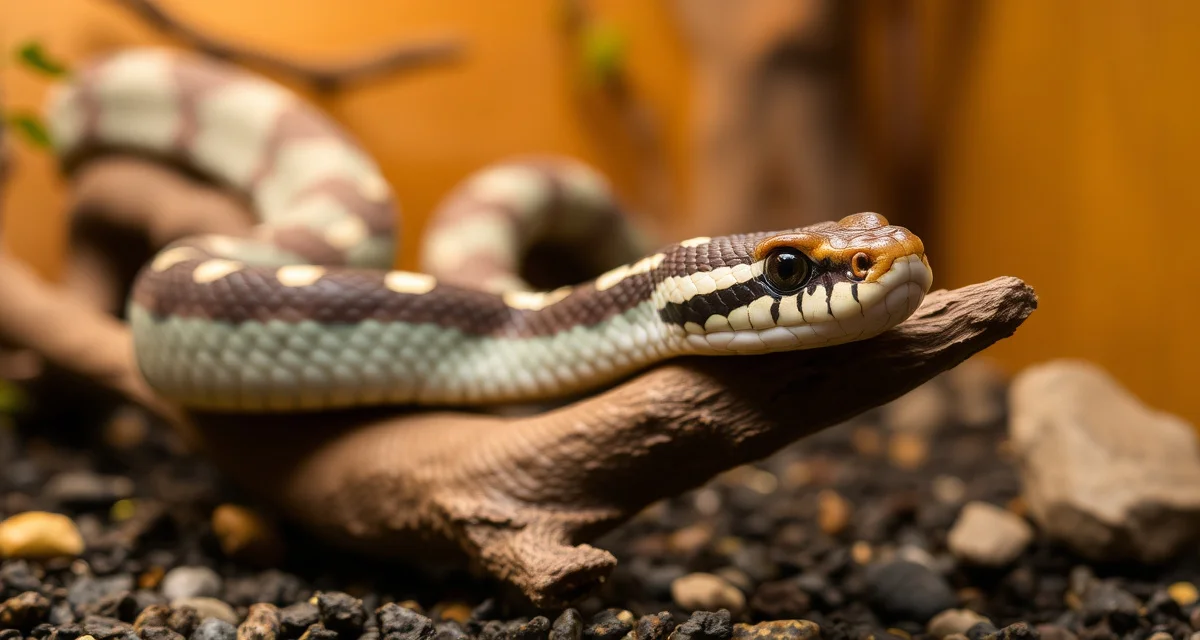
Hognose Snake Health and Disease Prevention: Complete Breeder Guide
By HatchLedger Editorial Team · Published 2025-06-03 · Updated Mar 13, 2026
Hognose snake health and disease prevention is a critical part of running a successful western hognose breeding program. While western hognose snakes (Heterodon nasicus) are generally hardy and adaptable animals, they have some specific health vulnerabilities that breeders need to understand. Detection depends on knowing what normal looks like for each individual animal, which means your health monitoring system is only as good as your baseline records. Breeders using integrated software report 30% less time on administrative tasks, freeing more time for the daily observation that catches health problems early.
TL;DR
- Western hognose snakes (Heterodon nasicus) require 60-90 days of seasonal cycling at 50-60 degrees Fahrenheit for reliable breeding success.
- Females that skip cooling often fail to ovulate or produce infertile clutches, making brumation near-mandatory rather than optional.
- Clutch sizes average 8-18 eggs, with adult females commonly producing two clutches per season when managed well.
- Incubation runs 55-65 days at 82-84 degrees Fahrenheit with moderate humidity around 80-85%.
- Western hognose morphs include albino, axanthic, toffee, coral, and several combination lines with active development continuing.
Establishing Baseline Health Records
Before you can identify when something's wrong, you need to know what normal looks like for each animal.
Body condition: Know the healthy weight range for each breeding animal. A well-conditioned western hognose female has a firm body without prominent spine or ribs. Monthly weights let you catch weight loss early, often before clinical signs are obvious.
Feeding behavior: Know what each animal typically eats, how enthusiastically, and how often. Feeding refusal or reduced appetite is frequently the first sign of illness. Your feeding log is your early warning system.
Activity patterns: Know whether each animal is normally active or reclusive. Changes in activity patterns can indicate discomfort or illness.
Shed frequency and quality: Log every shed. Adult western hognose snakes typically shed every 4 to 8 weeks. Retained skin, particularly retained eye caps (spectacles), indicates husbandry issues or underlying health problems.
Log all of this in HatchLedger's reptile breeder hub from day one with every animal in your collection.
Common Health Issues in Western Hognose Snakes
Respiratory Infections
Respiratory infections present as wheezing, open-mouth breathing, mucus around the nose or mouth, or lethargy. They typically develop from a combination of temperature instability, excess humidity, or stress. Western hognose snakes are somewhat more susceptible to respiratory issues than some other colubrids.
Prevention focuses on husbandry: maintain appropriate thermal gradients, ensure good ventilation, and keep enclosures clean. Treatment requires veterinary care; antibiotics are effective for bacterial respiratory infections when caught early.
Mites
Mites are visible as tiny moving specks, often concentrated around the eyes, vent, and under scales. They cause irritation, stress, and can transmit disease between animals.
Prevention is quarantine: 90 days minimum for any new animal before contact with your established collection. Treatment involves removing the animal from its enclosure, treating the animal, and thoroughly cleaning the enclosure. Mites spread easily in rack systems; inspect every animal in the affected rack and treat accordingly.
Internal Parasites
Wild-caught animals often carry internal parasites; captive-bred animals from clean collections typically don't. Annual or biannual fecal exams from a reptile veterinarian are good practice for any breeding collection.
Symptoms of significant parasite loads include weight loss despite eating, abnormal stools, lethargy, and declining body condition. Treatment depends on the parasites identified and is managed by your veterinarian.
Dystocia (Egg Binding)
Western hognose females are somewhat prone to egg retention. A gravid female that passes her expected lay date without laying and appears distressed or has a distended abdomen should be seen by a veterinarian promptly. Oxytocin injections may stimulate laying; severe cases require surgical intervention.
Prevention involves providing appropriate pre-lay boxes with moist substrate 3 to 4 weeks before the expected lay date. A female without a suitable lay site is more likely to retain eggs.
Mouth Rot (Stomatitis)
Stomatitis presents as swelling, redness, mucus, or necrotic tissue in the mouth. It's often secondary to injury or stress. Treatment requires veterinary care; mild early-stage cases may respond to topical treatment, but significant infections need antibiotics.
Quarantine Protocol
Any animal new to your collection should be quarantined for a minimum of 90 days before any contact with established animals. House in completely separate space with dedicated equipment. Observe and log health status throughout quarantine.
This applies to animals purchased from other breeders, animals returned from buyers, and any animal that has been to an expo or show.
Reptile breeder software comparison tools that flag animals in quarantine status in your records help you track quarantine periods and ensure no animal enters your main collection before completing the full protocol.
Preventive Veterinary Care
Establish a relationship with a reptile-experienced veterinarian before you need one. Annual wellness exams for your breeding animals and annual or biannual fecal checks for parasite screening are reasonable preventive care for a serious breeding program.
Log all veterinary visits, diagnoses, and treatments in each animal's health record. This documentation is also valuable if you ever need to sell a breeding animal: a complete veterinary history is evidence of responsible care.
Frequently Asked Questions
What is the best approach to hognose snake health and disease prevention?
Establish baseline records for every animal: healthy weight range, normal feeding behavior, shed frequency. Log monthly weights and every feeding to catch deviations early. Quarantine new animals for 90 days minimum. Maintain appropriate husbandry to prevent the environmental conditions that cause respiratory infections. Provide pre-lay boxes early to reduce dystocia risk. Build a relationship with a reptile veterinarian before you have an emergency.
How do professional breeders handle hognose snake health and disease prevention?
Professional western hognose breeders treat health monitoring as an ongoing operational function with records to support it. They weigh animals monthly, log every feeding, and notice when patterns change. Their quarantine protocols are strict and non-negotiable. They have a reptile veterinarian relationship established so that when a health issue arises, they get timely care rather than a waiting list problem. Their health records are complete enough that a veterinarian can review an animal's full history at any visit.
What software helps manage hognose snake health and disease prevention?
HatchLedger logs cooling start and end dates, temperature records, post-cooling feeding resumption, and all pairing sessions for each hognose breeding animal. These records connect to clutch outcomes when females lay, allowing you to compare your seasonal protocol to breeding results across multiple seasons. Free for up to 20 animals.
Can western hognose snakes double-clutch?
Yes, double-clutching is common and reliable in well-conditioned western hognose females. The first clutch is typically laid in April or May, and if the female feeds aggressively through June, a second clutch often follows in July or August. Tracking body condition through the season tells you whether a female is ready for a second clutch.
Why do some hognose females play dead during introductions?
Death-feigning (thanatosis) is a well-known hognose defensive behavior and can occur during breeding introductions. Most females habituate to handling over time and reduce this response. Experienced males are generally persistent through the female's initial responses. Keeping introduction sessions calm and minimally disturbing helps.
What is Hognose Snake Health and Disease Prevention: Complete Breeder Guide?
This complete breeder guide covers everything western hognose snake keepers need to maintain healthy collections and prevent disease. It addresses baseline health monitoring, common illnesses specific to Heterodon nasicus, brumation protocols, and how to identify problems early. The guide emphasizes that detection depends on knowing each animal's normal behavior and appearance, making consistent record-keeping a core part of any successful hognose breeding program.
How much does Hognose Snake Health and Disease Prevention: Complete Breeder Guide cost?
This guide is free educational content published on HatchLedger. There is no purchase required to access the article. HatchLedger offers breeding management software that complements the guide's recommendations, with subscription pricing available separately. The health and disease prevention information itself is provided at no cost to help reptile breeders improve animal welfare and breeding outcomes.
How does Hognose Snake Health and Disease Prevention: Complete Breeder Guide work?
The guide works by walking breeders through a systematic approach to hognose health: establishing individual baselines, recognizing deviations from normal, implementing preventive husbandry, and responding to common conditions. It combines species-specific biology with practical record-keeping strategies. Breeders using integrated tracking software alongside these protocols report spending 30% less time on administrative tasks, leaving more time for the hands-on observation that catches problems early.
What are the benefits of Hognose Snake Health and Disease Prevention: Complete Breeder Guide?
Key benefits include reduced animal losses through early disease detection, more reliable breeding outcomes via proper brumation management, and better clutch viability from optimized incubation conditions of 82-84°F and 80-85% humidity. Breeders also gain a structured framework for managing multi-clutch seasons, where adult females commonly produce two clutches per year, and clearer insight into morph-specific considerations for albino, axanthic, toffee, and coral lines.
Who needs Hognose Snake Health and Disease Prevention: Complete Breeder Guide?
This guide is essential for western hognose breeders at any experience level, from hobbyists managing a small collection to professional operations producing multiple morphs annually. It is particularly valuable for anyone who has struggled with infertile clutches, unexplained feeding refusals, or animals that fail to cycle properly. Anyone keeping Heterodon nasicus through brumation and the 60-90 day cooling period at 50-60°F will find the health monitoring framework directly applicable.
How long does Hognose Snake Health and Disease Prevention: Complete Breeder Guide take?
Reading the guide takes roughly 15-20 minutes. Implementing its recommendations is an ongoing process built into daily husbandry routines. Establishing solid baseline records for each animal takes one to two full seasons. Brumation alone requires 60-90 days, and incubation runs 55-65 days per clutch. The full annual breeding cycle from cooling through hatching spans approximately six to eight months, with health monitoring continuing year-round.
Related Articles
- Burmese Python Health and Disease Prevention: Complete Breeder Guide
- Carpet Python Health and Disease Prevention: Complete Breeder Guide
Sources
- USARK (United States Association of Reptile Keepers)
- Association of Reptilian and Amphibian Veterinarians (ARAV)
- Society for the Study of Amphibians and Reptiles (SSAR)
- Herpetological Review
- Great Plains Wildlife Management
Get Started with HatchLedger
Western hognose breeding with multiple morphs and double-clutching females benefits from connected records that link cooling dates, pairing introductions, and per-clutch outcomes. HatchLedger tracks all of it and lets you compare seasonal protocols against results over multiple years. Free for up to 20 animals.