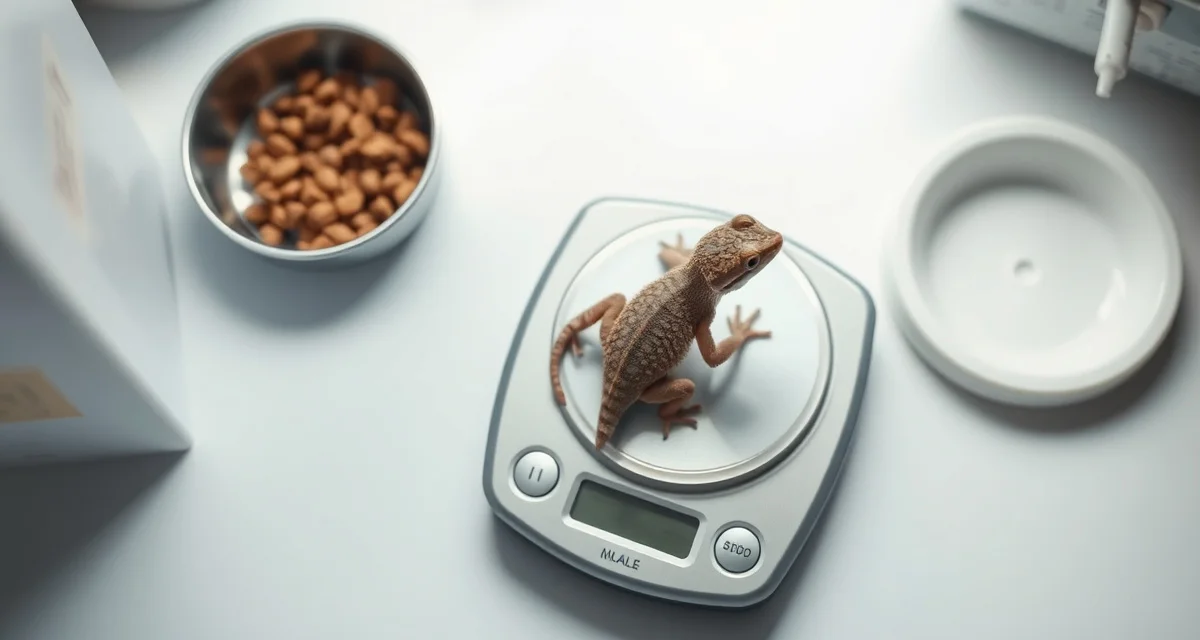
Hatchling Weight and Feeding Log: Integrated Tracking
Weight and feeding data are the two most important metrics for a reptile hatchling during grow-out. They work together: feeding records explain weight trends, and weight trends validate whether feeding is nutritionally effective. Maintaining them separately and never cross-referencing them leaves analysis incomplete.
Why Integrate Weight and Feeding
Consider two hatchlings at the same age:
- Hatchling A: 8 consecutive accepted meals, weighs 115g
- Hatchling B: 8 consecutive accepted meals, weighs 78g
Both have identical feeding records. But Hatchling B is significantly underweight for its feeding frequency. This suggests it might be regurgitating unobserved, has a health issue affecting nutrient absorption, or is being offered undersized prey.
You only see this discrepancy when weight and feeding data are reviewed together.
The Integration Method
The simplest approach: a single combined log that includes both weight measurements and feeding events in chronological order. Each entry is either a weight measurement or a feeding event, with date and relevant details.
Example sequence for a ball python hatchling:
- Day 0 (hatch): 70g, morph Pastel
- Day 12: First shed observed
- Day 14: Feeding attempt 1, rat pup F/T, ate
- Day 14: 68g (weighed same day as first feeding)
- Day 21: Feeding attempt 2, rat pup F/T, ate
- Day 28: Feeding attempt 3, rat pup F/T, ate; 80g
- Day 28: Established feeder, 3 consecutive F/T meals
- Day 35: Feeding attempt 4, small rat F/T, refused
- Day 42: Feeding attempt 5, rat pup F/T, ate; 88g
This combined log shows the feeding history and weight progression simultaneously. The refusal on Day 35 after a prey size increase is explained in context. The weight trend confirms healthy growth despite the one refusal.
Weight Measurement Timing
Weigh hatchlings consistently in relation to feeding events for comparable data. Options:
Pre-feeding weight: Weigh before offering prey. Reflects true body mass without food weight. This is the most useful metric for tracking body condition.
48-72 hours post-feeding weight: If you weigh after the animal has had time to digest the prey item fully, the weight reflects the animal plus recent assimilation. This works but requires consistent timing.
Choose one approach and use it consistently throughout the hatchling's grow-out period. Do not mix pre-feeding and post-feeding weights in the same record.
Growth Rate Benchmarks
Healthy ball python hatchlings gain approximately:
- 10-20g per week in the first month of feeding
- 15-25g per week through the second and third months
- Individual variation is significant; these are averages
A hatchling gaining less than 8g per week consistently despite regular feeding should be evaluated. A hatchling gaining 30g+ per week is doing exceptionally well.
Selling with Combined Documentation
When a buyer receives an animal, providing both the feeding log and weight history gives them complete information about the animal's trajectory. A buyer who knows:
- The animal weighed 70g at hatch
- Has had 6 consecutive meals accepted
- Currently weighs 105g
...can evaluate whether that growth rate is appropriate for the age and can monitor continued growth against the baseline you established.
HatchLedger maintains feeding and weight records per animal in a unified profile, so the combined view is automatic rather than requiring manual cross-referencing.
Related content: Hatchling Weight Tracking | Hatchling Feeding Log Tracking | Hatchling Grow-Out Tracking
Sources
- Ball Python Breeders Association grow-out documentation
- World of Ball Pythons hatchling care guides
- Association of Reptilian and Amphibian Veterinarians (ARAV)