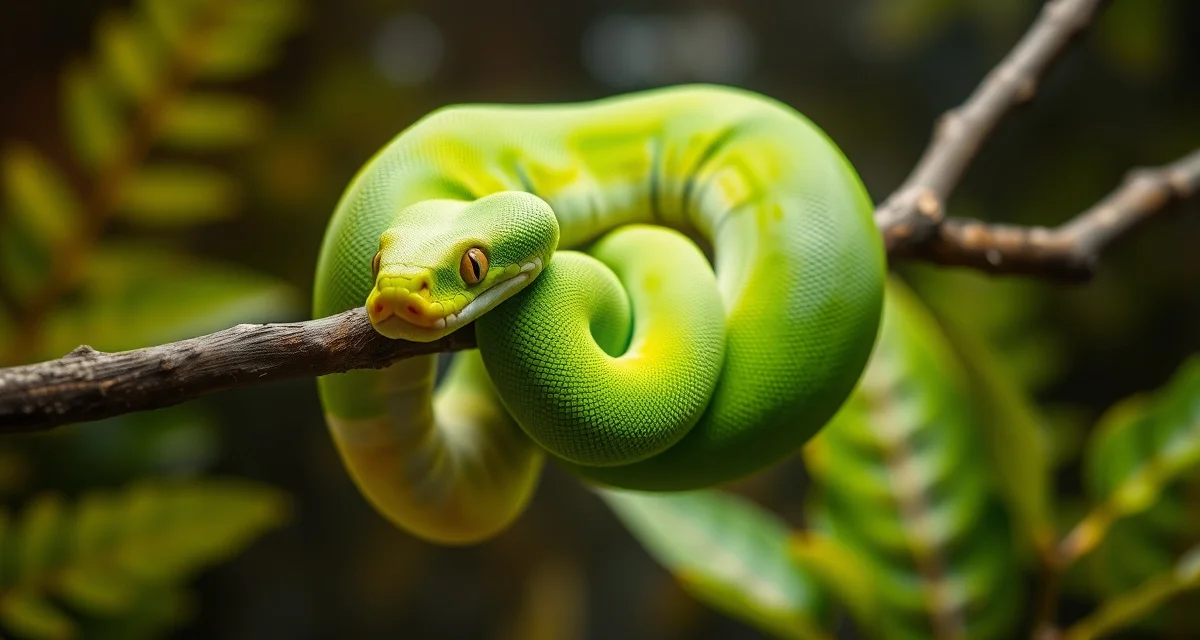
Green Tree Python Selling and Pricing: Complete Breeder Guide
Green tree python selling and pricing operates in one of the more sophisticated segments of the reptile market. GTP buyers are often experienced keepers who ask detailed questions about locale, lineage, and feeding history. Setting prices without understanding your market, your animal's documentation, and your actual costs per clutch leads to revenue that doesn't reflect the real value of your program. Breeders using integrated software report 30% less time on administrative tasks, and in a sales process that requires detailed buyer communication, that efficiency directly affects your bottom line.
TL;DR
- Green tree pythons (Morelia viridis) are arboreal specialists requiring perch-based enclosures and husbandry quite different from terrestrial pythons.
- Breeding is triggered by a dry season simulation with reduced humidity and a modest temperature reduction over 6-8 weeks.
- Clutch sizes average 12-25 eggs, with Biak locale animals producing larger clutches than Sorong or Aru.
- Incubation runs 47-52 days at 84-86 degrees Fahrenheit, shorter than most python species at equivalent temperatures.
- Locale documentation is critical: Biak, Sorong, Aru, Kofiau, and locality blends all carry distinct market values and buyer expectations.
This guide covers how to price GTPs accurately, where to sell them, and how to build the documentation that supports premium prices.
Understanding the GTP Market
GTPs occupy a premium position in the reptile market compared to common colubrids, but the market is more segmented than it might appear. Locale animals, genetic morphs, selectively bred lines, and crossbred animals all sell in different price brackets with different buyer audiences.
Locale animals from documented pure lines command significant premiums. Aru GTPs from verified parentage can sell for $800 to $2,000 or more per animal. Biak, Sorong, and Manokwari animals vary in price depending on quality and documentation.
Genetic morphs like axanthic add value on top of locale. An axanthic Aru from documented lineage is priced higher than a non-morph Aru, which is itself priced higher than a cross-locale animal.
Quality and documentation are priced multipliers. Two animals that look identical visually but have different documentation quality will sell for different prices with sophisticated buyers. The animal with known parents, confirmed locale, and complete feeding history is worth more.
Hatchlings vs. established feeders is another price split. Hatchlings that haven't had their first confirmed meal require more buyer risk tolerance and typically sell at a slight discount to established feeders. Many GTP breeders don't sell hatchlings until they've had three to five confirmed meals.
Calculating Your Costs
Before setting prices, you need to know what it cost to produce your animals. Most breeders who price by feel rather than actual cost data are either overpricing (and selling slowly) or underpricing (and leaving margin on the table).
Your cost per hatchling includes:
- Breeding pair acquisition and annual maintenance costs (feeds, enclosures, electricity, water) divided by annual clutches produced
- Incubation costs (supplies, incubator depreciation, electricity)
- Hatchling care costs (enclosures, feeds, time) from hatch to sale
- Veterinary costs allocated to that breeding pair or clutch
- Platform fees and shipping costs
Divide your total clutch production costs by the number of hatchlings sold to get your cost per hatchling sold. Your pricing needs to cover this cost plus a margin that reflects your time and the market value of your animals.
This calculation is impossible to do accurately without organized records. Spreadsheets can work for small collections, but they require significant manual effort to maintain. HatchLedger's reptile breeder hub calculates P&L per clutch automatically as you log costs and sales, so you always know where you stand.
Where to Sell GTPs
MorphMarket
MorphMarket is the dominant platform for reptile sales in North America and increasingly internationally. GTPs are actively bought and sold there. Your listing quality matters: high-resolution photos, accurate morph and locale information, and detailed descriptions significantly affect inquiry volume and sale price.
MorphMarket charges seller fees, so factor these into your pricing. Buyers on MorphMarket are price-aware and comparison shop, so understand where your animals sit relative to comparable listings.
Facebook Groups and Communities
GTP-specific Facebook groups have active buying and selling activity. The GTP community is relatively small and tight-knit, so reputation matters enormously. A single problematic transaction can follow a breeder for years. Deliver exactly what you represent, communicate clearly, and follow through on every commitment.
Shows and Events
Reptile expos give you direct access to buyers and allow them to see the animal in person, which can support premium pricing for high-value GTPs. Show attendance involves table fees and travel costs, so calculate whether your expected sales volume makes shows worthwhile for your operation.
Direct Waitlists
Established GTP breeders often maintain buyer waitlists for upcoming clutches. If you've built a reputation for quality animals, buyers will pay deposits for animals before they're hatched or even before the breeding season begins. Managing a waitlist requires organized records of deposits, expected availability, and buyer communication.
Reptile breeder software comparison resources consistently identify buyer waitlist management as a significant pain point for breeders using spreadsheets. HatchLedger includes tools for tracking deposits and buyer information alongside your animal records.
Setting Your Price Points
A tiered pricing structure works well for most GTP programs:
Hatchlings with first shed but no confirmed meals: Priced at a slight discount to reflect the buyer's additional work in establishing feeding. Be transparent about their status.
Established feeders (3-5 confirmed meals): Full market price for the locale and morph. The additional care investment you've made supports a higher price.
Animals with exceptional documentation, photos, and lineage: If your animal is from documented lines with known parentage across multiple generations, price accordingly. The documentation work you've done has real market value.
Older juveniles (6+ months) in color transition: Young GTPs are neon yellow or red at birth and transition to green over months to years. Animals that have already begun their color change can be harder to sell during the transition phase. Price these appropriately and be accurate about their current and expected adult appearance.
Building Buyer Trust Through Documentation
The GTP market rewards documentation. When a buyer asks about your animals, you should be able to provide:
- Parent photos and genetic records
- Locale documentation (as specific as possible)
- Complete feeding history
- Weight chart from hatch
- Any health events and resolution
- Shed history
A buyer receiving this information has high confidence in their purchase. That confidence supports premium pricing, reduces post-sale questions and disputes, and generates repeat buyers and referrals.
Frequently Asked Questions
What is the best approach to green tree python selling and pricing?
Know your costs before setting prices. Calculate the actual cost to produce each hatchling from breeding pair maintenance through hatchling care, then price above that with a margin that reflects both market rates and documentation quality. Establish feeders before selling when possible, since animals with confirmed feeding history command higher prices and generate fewer post-sale issues. Use high-quality photos and detailed descriptions on selling platforms. Build your reputation within the GTP community through honest representation and reliable communication, since repeat buyers and referrals are a major revenue driver for established GTP programs.
How do professional breeders handle green tree python selling and pricing?
Professional GTP breeders price based on data: actual costs per clutch, market rates for their locale and morph, and the value of their documentation. They don't sell hatchlings until feeding is established, they provide complete documentation with every sale, and they manage buyer relationships carefully. Many maintain buyer waitlists for upcoming clutches, collecting deposits months before animals are ready. They track every sale in their financial records alongside costs, so they can review actual P&L per clutch and per breeding pair at season end.
What software helps manage green tree python selling and pricing?
HatchLedger is purpose-built for reptile breeders, connecting animal records, breeding history, clutch outcomes, and financial tracking in one system. Unlike generic spreadsheets, it's designed around the specific workflow of an active breeding season. Free for up to 20 animals.
Why is locale documentation so important for green tree pythons?
Buyers of green tree pythons are often very specific about locality. Biak animals are prized for large adult size and a blue ontogenetic coloration phase. Sorong and Aru animals are known for consistent solid green adult coloration. Locality blends from unknown crosses are worth significantly less than documented pure-locale animals. Recording locale information from acquisition through sale is essential.
How long does it take green tree python neonates to change color?
The ontogenetic color change from yellow or red neonate coloration to adult green takes approximately 6-12 months in most locales. Biak animals often go through a blue phase during the transition. Buyers of neonates should understand the timeline. Photographing animals at regular intervals through the color change documents the process and makes for compelling sales content.
Sources
- USARK (United States Association of Reptile Keepers)
- Association of Reptilian and Amphibian Veterinarians (ARAV)
- CITES Appendix II (international trade documentation)
- Herpetofauna (Australian Herpetological Society)
- Green Tree Python Foundation
Get Started with HatchLedger
Green tree python breeding demands locale documentation, seasonal cycling records, and clutch management that generic spreadsheets handle poorly. HatchLedger keeps your locale lineage, breeding history, and per-clutch records connected so buyers get complete documentation and you build a traceable breeding program. Try it free with up to 20 animals.