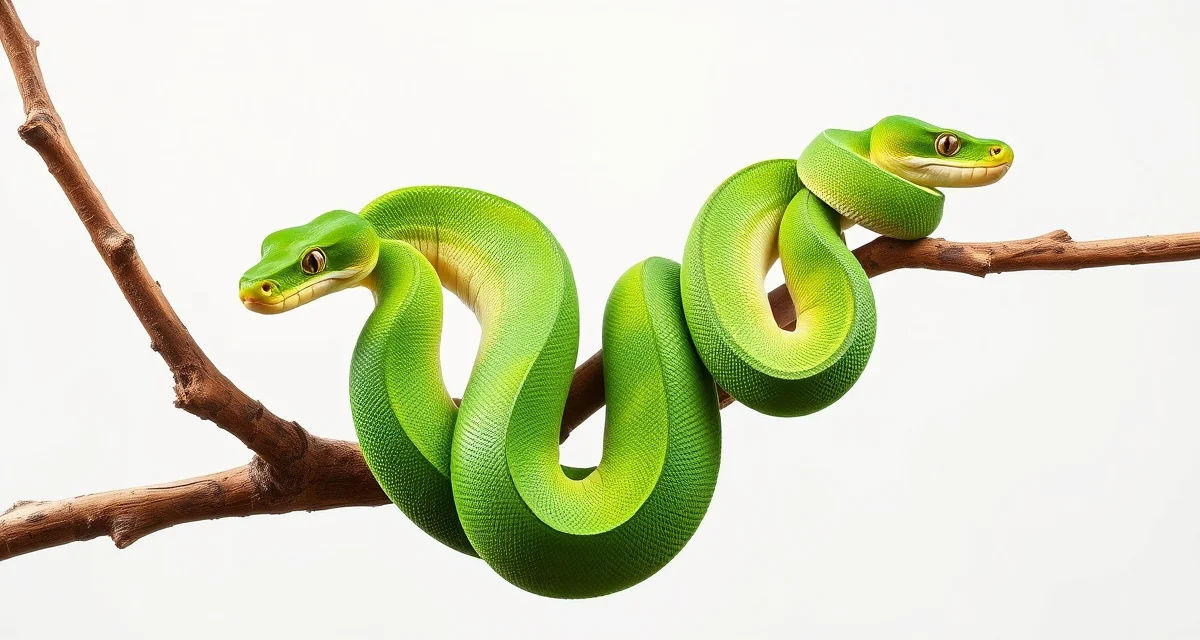
Green Tree Python Pairing and Introduction: Complete Breeder Guide
Green tree python pairing and introduction is a process that rewards careful planning and patience. GTPs aren't as straightforward to pair as many other python species: aggression between animals is common, breeding behavior can happen out of sight, and the window for productive pairings is narrower than many breeders expect. Breeders using integrated software report 30% less time on administrative tasks, which means more time for the supervised introductions and behavioral observation that make GTP breeding work.
TL;DR
- Green tree pythons (Morelia viridis) are arboreal specialists requiring perch-based enclosures and husbandry quite different from terrestrial pythons.
- Breeding is triggered by a dry season simulation with reduced humidity and a modest temperature reduction over 6-8 weeks.
- Clutch sizes average 12-25 eggs, with Biak locale animals producing larger clutches than Sorong or Aru.
- Incubation runs 47-52 days at 84-86 degrees Fahrenheit, shorter than most python species at equivalent temperatures.
- Locale documentation is critical: Biak, Sorong, Aru, Kofiau, and locality blends all carry distinct market values and buyer expectations.
Getting the pairing process right requires understanding each animal's readiness signals, using appropriate introduction techniques, and documenting every session so you have accurate data to review.
Selecting Breeding Pairs
Genetic Compatibility
Before worrying about introduction technique, make sure your pairing makes sense genetically. For locale animals, pair within the same locale or documented locale crosses that you've intentionally planned. For morph animals, understand the genetics of each animal before pairing and know what offspring outcomes you're targeting.
Document the genetics of both animals clearly before the breeding season begins. Your pairing records should show sire ID, dam ID, and the genetic rationale for the pairing. This documentation is part of the sale record for every hatchling this pair produces.
Age and Condition Requirements
Both animals should be at appropriate breeding age and in good health. For GTPs, females are typically ready for their first breeding season at 24 to 36 months, depending on their size and condition. Males can be bred starting around 18 to 24 months.
Neither animal should be recovering from illness, in a poor feeding response pattern, or visibly underweight entering the breeding season. A condition check on both animals before the season begins should be part of your pre-breeding protocol.
Pre-Introduction Preparation
Female seasonal cycling
Your female should have completed a full dry-to-wet environmental cycling protocol before introduction. A female that hasn't been through a proper seasonal cycle is unlikely to be receptive to a male, and forcing an early introduction wastes time and can cause unnecessary stress.
Signs that a female has cycled and may be receptive include increased activity levels, spending more time exploring different areas of the enclosure, and increased alertness during evening hours. These are subtle cues; log what you observe and when so you can identify them more reliably in future seasons.
Male Preparation
Males need their own seasonal cycling before they'll show breeding behavior. A male kept at constant conditions year-round may not engage during introductions. Run your male through the same dry-to-wet transition as your females.
Some breeders introduce the male to the female's enclosure (rather than moving the female to the male's space) to reduce territorial stress on the female in her own space. Others prefer neutral territory. Try both approaches and log your results to identify what works for your specific animals.
Supervised vs. Unattended Introductions
For first-time introductions or animals that haven't been paired before, supervised introductions are strongly recommended. Stay nearby for the first 30 to 60 minutes to watch for aggression.
Female GTPs can be seriously aggressive toward males, particularly at the start of the breeding season. A female that has been cycling but isn't quite ready may strike and bite a male repeatedly. Multiple introductions over weeks are often needed before receptivity occurs.
The Introduction Process
Initial Placement
Place the male in the female's enclosure (or a neutral enclosure) during the evening hours when both animals are most active. Observe from a distance to minimize disturbance. GTPs are sensitive to human presence and may not display natural behavior if you're actively watching closely.
A camera setup that allows you to monitor without being physically present is ideal. Many GTP breeders use a small USB webcam or security camera to record overnight activity.
Signs of Breeding Behavior
Productive GTP introductions look different from ball python pairings. GTPs breed while perched, typically late at night. Signs of breeding activity include:
- The male actively following the female along perches
- Chin rubbing or body pressing along the female
- Tail positioning consistent with attempted lock-up
- Observed intromission (confirmed lock-up)
Log every session with date, start time, end time, and behavioral observations. If you observe a confirmed lock-up, note the duration. If you observe aggression without breeding behavior, note that too.
Duration of the Pairing Season
A GTP breeding season typically involves multiple introduction sessions over 4 to 8 weeks. You're looking for several confirmed lock-ups, not just one. More breeding activity generally produces better fertility rates in the resulting clutch.
Don't abandon pairings too quickly if early introductions produce no breeding behavior. GTPs often need several sessions before the timing clicks. Log each attempt and track cumulative lock-up history in HatchLedger's reptile breeder hub so you have accurate data when evaluating the season's pairing success.
Separating Animals Post-Pairing
After each pairing session, return animals to their individual enclosures. Don't leave the male with the female long-term. Extended cohabitation causes stress, can disrupt feeding patterns, and puts the female at risk of injury from a persistent or aggressive male.
Post-pairing, allow both animals several days of undisturbed rest and normal feeding before the next introduction. A male that isn't feeding between pairing sessions may be losing condition; monitor weights for both animals through the breeding season.
Linking Pairings to Clutch Records
Every confirmed lock-up is relevant to the clutch that eventually results. Your pairing log for each female should record:
- Date of each introduction
- Male ID
- Observed lock-up dates and durations
- Unproductive sessions (female unreceptive, no behavioral response)
When the female lays eggs, these pairing records link directly to the clutch. This is how you document genetic parentage accurately. Reptile breeder software comparison reviews consistently highlight this linking capability as a core feature need for breeding programs. HatchLedger connects pairing records to clutch records and through them to individual hatchling records, creating a traceable lineage chain.
Frequently Asked Questions
What is the best approach to green tree python pairing and introduction?
Ensure both animals have been through a full seasonal cycling protocol before introduction. Introduce the male to the female's enclosure during evening hours when GTPs are most active. Supervise first introductions and have a plan to separate animals quickly if serious aggression occurs. Use a camera to monitor overnight activity rather than direct observation, which can inhibit natural behavior. Log every session with behavioral observations and note any confirmed lock-ups with date and duration. Multiple introductions over 4 to 8 weeks, with several confirmed lock-ups, gives the best fertility outcomes.
How do professional breeders handle green tree python pairing and introduction?
Professional breeders approach introductions with a documented protocol. They verify both animals' condition and cycling status before the season begins, time introductions based on female readiness cues rather than calendar dates alone, and use camera monitoring to capture breeding behavior that happens at night. They log every session outcome and separate animals after each introduction rather than leaving them cohabitated. After a breeding season, they review pairing records alongside clutch fertility data to assess which pairings and protocols produced the best results.
What software helps manage green tree python pairing and introduction?
HatchLedger is purpose-built for reptile breeders, connecting animal records, breeding history, clutch outcomes, and financial tracking in one system. Unlike generic spreadsheets, it's designed around the specific workflow of an active breeding season. Free for up to 20 animals.
Why is locale documentation so important for green tree pythons?
Buyers of green tree pythons are often very specific about locality. Biak animals are prized for large adult size and a blue ontogenetic coloration phase. Sorong and Aru animals are known for consistent solid green adult coloration. Locality blends from unknown crosses are worth significantly less than documented pure-locale animals. Recording locale information from acquisition through sale is essential.
How long does it take green tree python neonates to change color?
The ontogenetic color change from yellow or red neonate coloration to adult green takes approximately 6-12 months in most locales. Biak animals often go through a blue phase during the transition. Buyers of neonates should understand the timeline. Photographing animals at regular intervals through the color change documents the process and makes for compelling sales content.
Sources
- USARK (United States Association of Reptile Keepers)
- Association of Reptilian and Amphibian Veterinarians (ARAV)
- CITES Appendix II (international trade documentation)
- Herpetofauna (Australian Herpetological Society)
- Green Tree Python Foundation
Get Started with HatchLedger
Green tree python breeding demands locale documentation, cycling records, and clutch management that generic spreadsheets handle poorly. HatchLedger keeps your locale lineage, breeding history, and per-clutch records connected so buyers get complete documentation and you build a traceable breeding program. Try it free with up to 20 animals.