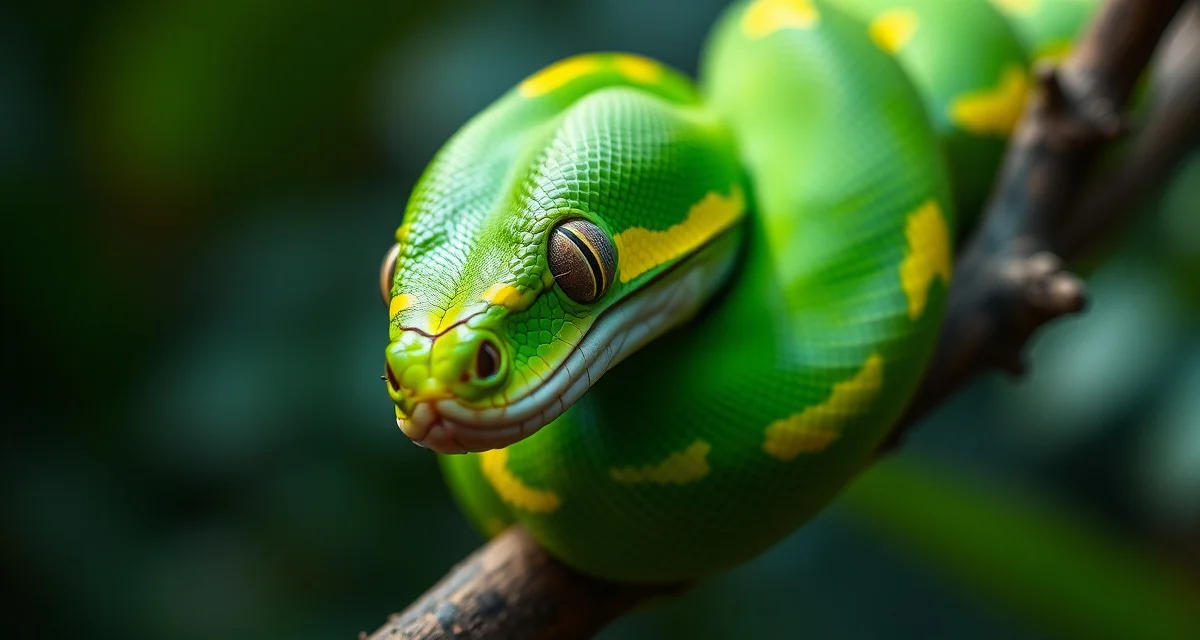
Green Tree Python Morph Genetics Overview: Complete Breeder Guide
By HatchLedger Editorial Team · Published 2025-01-22 · Updated Mar 13, 2026
Green tree python morph genetics are a relatively young field compared to ball pythons or corn snakes, but the market has grown substantially over the past decade. Understanding the genetic basis of GTP morphs, how to pair animals for specific outcomes, and how to document your genetic records accurately will determine the credibility and profitability of your breeding program. Breeders using integrated software report 30% less time on administrative tasks, which means more time studying the genetics that drive your pairing decisions.
TL;DR
- Green tree pythons (Morelia viridis) are arboreal specialists requiring perch-based enclosures and husbandry quite different from terrestrial pythons.
- Breeding is triggered by a dry season simulation with reduced humidity and a modest temperature reduction over 6-8 weeks.
- Clutch sizes average 12-25 eggs, with Biak locale animals producing larger clutches than Sorong or Aru.
- Incubation runs 47-52 days at 84-86 degrees Fahrenheit, shorter than most python species at equivalent temperatures.
- Locale documentation is critical: Biak, Sorong, Aru, Kofiau, and locality blends all carry distinct market values and buyer expectations.
Unlike ball python genetics, where hundreds of established morphs with fully documented inheritance patterns are widely known, GTP genetics are still being worked out by the breeding community. What we know is growing, but careful record-keeping is especially important in an area where incomplete information is still common.
How GTP Morphs Differ from Ball Python Morphs
Most ball python morphs involve simple recessive or co-dominant mutations that follow predictable Mendelian ratios. GTP morphs are more complex. The natural color variation in wild GTPs, including the differences between locales such as Aru, Biak, Manokwari, and mainland animals, involves polygenic traits that don't follow simple one-gene inheritance.
This means you can't always predict GTP offspring colors with the same certainty you can with ball python morph pairings. That said, selectively bred lines and specific mutations in GTPs do follow genetic rules you can document and work with.
Established and Emerging GTP Morphs
Locale-Based Color Variation
GTP color is heavily influenced by locale, and many breeders focus on maintaining pure locale lines rather than creating new mutations. Key locales include:
Aru: Known for intensely blue adults with vivid white dorsal markings. Arus are highly sought after and command premium prices.
Biak: Tend to have yellower adult coloration with more scattered white spots. Biak adults often retain more yellow or green-yellow tones compared to Arus.
Manokwari: Known for producing vibrant blue adults similar to Aru animals. Often called a "southern" locale with distinct visual characteristics.
Sorong/Mainland: Variable coloration, often green with white markings. Less intensely blue than island locales.
Maintaining documented bloodline purity matters significantly for marketing locale animals. Cross-locale pairings can produce appealing animals but lose the locale provenance that buyers value.
Genetic Morphs in GTPs
Beyond locale, there are true genetic mutations circulating in captive GTP populations:
Axanthic: Removes yellow pigmentation, producing animals with blue, white, and grey tones. Inheritance follows a recessive pattern. Pairing two axanthics produces 100% axanthic offspring; pairing an axanthic to a normal produces 100% het offspring with no visual change.
Blue-eyed leucistic (BEL) type animals: Various lines producing white or near-white animals are being worked in GTPs, though the genetics behind specific lines vary.
Color mutations from selective breeding: Many breeders are working on lines selected for increased blue saturation, reduced pattern, or specific marking patterns. These don't always follow simple Mendelian rules and require multi-generational records to understand.
Recording Genetic Pairings Accurately
Accurate genetic records are what separate a reputable breeding program from one that buyers don't trust. For every pairing, you need to document:
- Sire animal ID and known genetics (morph, locale, breeder history)
- Dam animal ID and known genetics
- Clutch date and pairing dates
- Individual offspring IDs with visual and known genetic status
For recessive traits like axanthic, offspring from a het-to-het pairing should be identified as:
- Visual (confirmed axanthic)
- Possible het (looks normal but may carry one copy)
- Confirmed normal
Without genetic testing or progeny testing, possible hets carry uncertainty. Be honest in your records and sale listings about what's confirmed versus possible. Buyers in the GTP community are knowledgeable, and misrepresenting genetics destroys credibility fast.
Track all of this in HatchLedger's reptile breeder hub, where you can attach genetic notes to individual animals and pull up the full pairing history behind any offspring. When a buyer asks about a particular hatchling's lineage three generations back, your records should answer that question precisely.
Pricing Genetics Appropriately
The genetics of your animals directly affects their market value. An axanthic GTP from a documented line with known parents will sell for a multiple of a locale-only animal of similar quality. Combo animals or selectively bred lines with documented outcomes command even higher premiums.
Be realistic about the market. GTP buyers are sophisticated. Premium pricing requires credible documentation: known parentage, documented locale if applicable, and honest het status for recessive traits. Animals sold as "possible het" should be priced below confirmed visual animals or proven hets.
Connect your genetic records to your pricing in your sales tracking. If you're using reptile breeder software comparison research to select tools, prioritize platforms that let you record morph and genetic status per animal and tie it to sale price. HatchLedger does this at the clutch and individual hatchling level, so your financial records reflect the genetics driving your revenue.
Building a Long-Term GTP Genetics Program
The most valuable GTP breeding programs are built on documented, multi-generational records. A breeder who has 5 generations of records on a blue Aru line or an axanthic project has something buyers can't get from someone who just started two years ago.
Start documenting now, even if your records feel incomplete. Log everything you know about your current animals: locale information, breeder of origin, any known genetics, and the results of every pairing. The value of those records compounds over time.
Frequently Asked Questions
What is the best approach to green tree python morph genetics overview?
Start by understanding what's documented versus what's speculative in GTP genetics. Locale information and recessive mutations like axanthic have clearer documentation than polygenic color selection traits. Maintain accurate records of every pairing including sire, dam, offspring visual and genetic status, and locale information. Be honest about het status and don't misrepresent possible hets as confirmed. Study the work of established GTP breeders and community resources to stay current on emerging morphs. As GTP genetics continue to be worked out, your own records become increasingly valuable data for understanding your lines.
How do professional breeders handle green tree python morph genetics overview?
Professional GTP breeders maintain meticulous multi-generational records and are transparent about what's known versus uncertain in their animals' genetics. They participate in the broader GTP breeding community to stay informed about new mutations and inheritance findings. They test potential recessive traits through progeny testing when possible rather than making unconfirmed claims. Their animals' documentation includes original breeder information, pairing history, and honest genetic status, which commands premium pricing and builds long-term buyer trust. Many use dedicated breeding software to maintain records that are auditable and shareable.
What software helps manage green tree python morph genetics overview?
HatchLedger is purpose-built for reptile breeders, connecting animal records, breeding history, clutch outcomes, and financial tracking in one system. Unlike generic spreadsheets, it's designed around the specific workflow of an active breeding season. Free for up to 20 animals.
Why is locale documentation so important for green tree pythons?
Buyers of green tree pythons are often very specific about locality. Biak animals are prized for large adult size and a blue ontogenetic coloration phase. Sorong and Aru animals are known for consistent solid green adult coloration. Locality blends from unknown crosses are worth significantly less than documented pure-locale animals. Recording locale information from acquisition through sale is essential.
How long does it take green tree python neonates to change color?
The ontogenetic color change from yellow or red neonate coloration to adult green takes approximately 6-12 months in most locales. Biak animals often go through a blue phase during the transition. Buyers of neonates should understand the timeline. Photographing animals at regular intervals through the color change documents the process and makes for compelling sales content.
What is Green Tree Python Morph Genetics Overview: Complete Breeder Guide?
This guide is a comprehensive resource covering the genetic basis of green tree python morphs, locale documentation (Biak, Sorong, Aru, Kofiau), breeding triggers, clutch management, and record-keeping for serious breeders. It explains how GTP genetics differ from ball pythons or corn snakes, outlines pairing strategies for specific outcomes, and introduces tools like HatchLedger to reduce administrative overhead—giving breeders more time to focus on the genetics driving their program.
How much does Green Tree Python Morph Genetics Overview: Complete Breeder Guide cost?
The guide itself is free to read on HatchLedger. Breeding green tree pythons, however, involves significant investment: quality locale-pure animals can range from several hundred to several thousand dollars depending on locality and lineage. Associated costs include specialized arboreal enclosures, perch setups, incubation equipment, and software for genetic record-keeping. HatchLedger offers breeding management tools that breeders report save roughly 30% of administrative time, reducing overhead costs across a program.
How does Green Tree Python Morph Genetics Overview: Complete Breeder Guide work?
The guide walks breeders through GTP-specific husbandry, including dry season simulation (reduced humidity and modest temperature drops over 6-8 weeks) to trigger breeding. It covers clutch sizes averaging 12-25 eggs, incubation at 84-86°F for 47-52 days, and locale-specific considerations. It also explains how to document genetic pairings accurately, interpret morph inheritance, and use integrated breeding software to track outcomes and maintain program credibility.
What are the benefits of Green Tree Python Morph Genetics Overview: Complete Breeder Guide?
Key benefits include understanding the genetic framework unique to green tree pythons, making informed pairing decisions to produce specific morph outcomes, and maintaining accurate locale documentation that protects market value. Breeders gain credibility with buyers by demonstrating clean genetic records. Using recommended management tools reduces administrative work by around 30%, freeing time for hands-on husbandry and genetic research that directly improves breeding results.
Who needs Green Tree Python Morph Genetics Overview: Complete Breeder Guide?
This guide is designed for reptile breeders at any level who work with or are interested in green tree pythons—from hobbyists establishing their first breeding pair to experienced producers scaling a morph-focused program. It is especially valuable for those transitioning from other python species like ball pythons, since GTP genetics and husbandry differ substantially and require locale-aware record-keeping to meet buyer expectations in a growing but still niche market.
How long does Green Tree Python Morph Genetics Overview: Complete Breeder Guide take?
Reading the guide takes roughly 15-30 minutes. Implementing the full breeding cycle it describes is a longer commitment: conditioning animals takes 6-8 weeks of dry season simulation, followed by 47-52 days of incubation, then several months of hatchling care before offspring are ready for sale. Building a credible, documented morph breeding program is an ongoing process that benefits from consistent record-keeping software from the very first pairing.
Related Articles
Sources
- USARK (United States Association of Reptile Keepers)
- Association of Reptilian and Amphibian Veterinarians (ARAV)
- CITES Appendix II (international trade documentation)
- Herpetofauna (Australian Herpetological Society)
- Green Tree Python Foundation
Get Started with HatchLedger
Green tree python breeding demands locale documentation, seasonal cycling records, and clutch management that generic spreadsheets handle poorly. HatchLedger keeps your locale lineage, breeding history, and per-clutch records connected so buyers get complete documentation and you build a traceable breeding program. Try it free with up to 20 animals.