Green Tree Python Buyer Waitlist Management: Complete Breeder Guide
Green tree python buyer waitlist management is one of the most practical indicators of a healthy breeding business. If your animals are in demand and you have buyers waiting before clutches are even laid, you've built something valuable. Managing that waitlist well, so buyers stay engaged, deposits are tracked accurately, and animals are matched to buyers without errors, is what separates a professional operation from an amateur one. Breeders using integrated software report 30% less time on administrative tasks, and waitlist management is one area where the right tool pays back that time immediately.
TL;DR
- Green tree pythons (Morelia viridis) are arboreal specialists requiring perch-based enclosures and husbandry quite different from terrestrial pythons.
- Breeding is triggered by a dry season simulation with reduced humidity and a modest temperature reduction over 6-8 weeks.
- Clutch sizes average 12-25 eggs, with Biak locale animals producing larger clutches than Sorong or Aru.
- Incubation runs 47-52 days at 84-86 degrees Fahrenheit, shorter than most python species at equivalent temperatures.
- Locale documentation is critical: Biak, Sorong, Aru, Kofiau, and locality blends all carry distinct market values and buyer expectations.
Why Waitlists Matter in the GTP Market
GTPs are produced in relatively limited numbers compared to common ball python morphs. A quality GTP breeding program might produce 50 to 150 hatchlings per year. Demand from serious buyers often exceeds supply for established breeders with strong reputations.
A well-managed waitlist gives you:
- Pre-committed revenue before a season begins
- Reduced marketing time since reserved animals don't need to be actively marketed
- A clear production target for planning the next season
- Buyer relationships that generate repeat purchases and referrals
A poorly managed waitlist creates problems: deposit disputes, confused buyers, animals promised to multiple people, and revenue that can't be accurately forecasted.
What Information to Capture from Each Waitlist Buyer
For every buyer on your waitlist, record:
- Full name and preferred contact method (email, phone, or messaging platform)
- Specific request: locale, morph, sex preference, feeding status requirement
- Priority level or waitlist position (date added or deposit status)
- Deposit amount paid and date received
- Payment method and transaction reference
- Communication history (notes on what you've discussed)
- Any commitments you've made about specific animals or timing
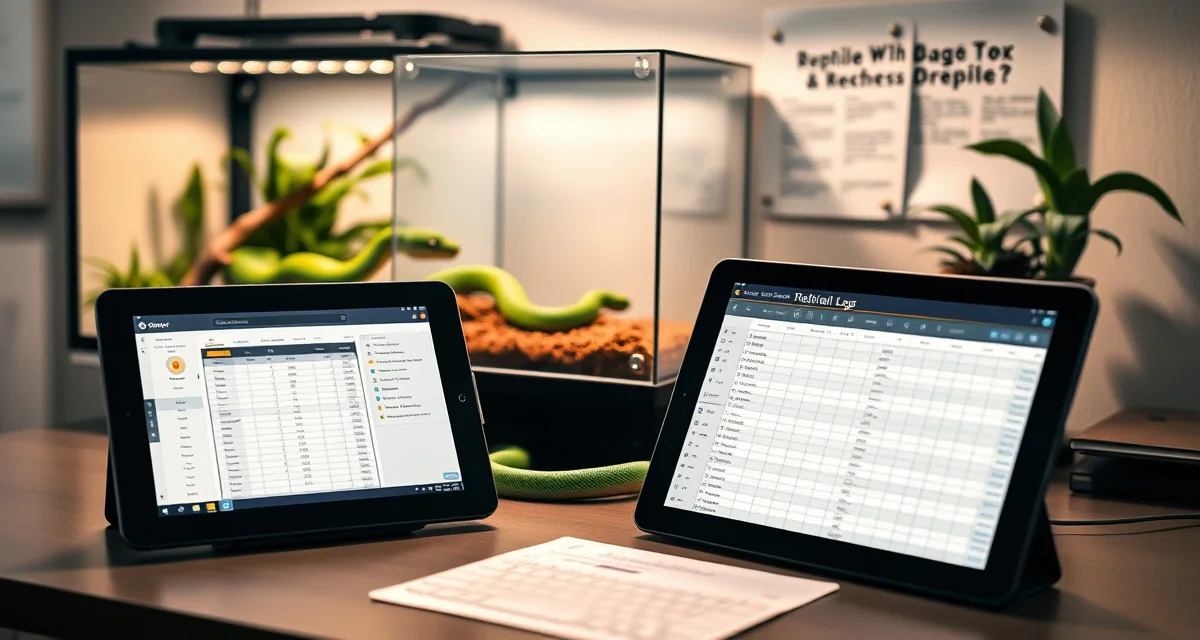
This information sits in HatchLedger's reptile breeder hub linked to your hatchling inventory, so when an animal becomes available, you can immediately see which waitlisted buyer it matches.
Deposit Policies and Documentation
Deposits are a commitment from the buyer, but they're also a commitment from you. Your deposit policy should be written clearly and communicated before any money changes hands. It should address:
- Deposit amount (often 25 to 50% of expected sale price for GTPs)
- What the deposit reserves (a specific animal, a category, a future clutch)
- Deposit refund policy (fully refundable, partially refundable, or non-refundable)
- Timeline for availability
- What happens if you can't fulfill the reservation
Send a written confirmation to every buyer when a deposit is received. Include the deposit amount, date, what it applies to, and your refund policy. This protects both you and the buyer.
Log every deposit in your financial records with the buyer's information and the specific animal or reservation it applies to. Track separately whether the deposit has been applied against a final sale or is still outstanding.
Matching Buyers to Available Animals
When animals from a clutch become available for sale, the matching process should be systematic:
- Review your waitlist for buyers with requests matching available animals (locale, morph, sex, feeding status)
- Prioritize by deposit status and waitlist date
- Contact matched buyers with specific offers including photos and documentation
- Set a clear response deadline for buyers to confirm interest
- Move to the next waitlisted buyer if no response within the deadline
Document every offer made and response received. If a buyer declines an offer, note what they said and update their waitlist preferences if their request has changed.
Communication Cadence
Waitlisted buyers who don't hear from you for extended periods lose interest and may purchase elsewhere. A simple communication schedule maintains engagement:
- Confirmation message when deposit is received
- Season update (breeding confirmed, clutch laid, eggs in incubation)
- Hatch notification when animals are produced
- First offer with photos when animals are available
- Follow-up if no response to initial offer
You don't need to send lengthy updates. A brief, professional message at each milestone keeps buyers engaged and shows them you're running an organized program.
Reptile breeder software comparison resources consistently identify buyer communication and waitlist management as significant pain points for growing breeding programs. Breeders using manual spreadsheets and separate email records often struggle to maintain consistent communication as their waitlists grow beyond 20 to 30 buyers.
Managing Buyer Expectations
GTP production involves inherent uncertainty. Females may not cycle, clutches may have high slug rates, hatchlings may not feed, or sex ratios may not match what buyers are hoping for. Your waitlist management needs to account for this.
Be honest with waitlisted buyers about:
- Whether a clutch is planned or confirmed
- Typical production timelines and that they can vary
- Sex ratio uncertainty in hatched clutches
- Feeding establishment timeline before animals are ready to ship
Buyers who understand your process and receive honest updates are far easier to work with than buyers who expected animals on a specific date and are disappointed when things take longer. Trust, built through honest communication, is what generates repeat buyers in the GTP community.
Refunds and Cancellations
Have a clear process for handling refund requests before you need to use it. Log every refund with date, amount, reason, and buyer information. Keep refund records even after the transaction closes; you may need them later.
If a buyer cancels a deposit for a reason outside your control (life circumstances, not a dispute), honoring a refund maintains goodwill in a small community where reputation matters. If a buyer cancels without legitimate reason after you've held an animal, your documented refund policy determines what you owe them.
Frequently Asked Questions
What is the best approach to green tree python buyer waitlist management?
Capture detailed buyer information including specific animal preferences, contact details, and deposit records at the time each buyer joins your list. Communicate at defined milestones throughout the season to keep buyers engaged. Match animals to waitlisted buyers systematically based on request specifics and priority order. Document every offer and response. Have a written deposit policy shared with buyers before any money changes hands. Review your waitlist regularly against your expected production to identify gaps between demand and available inventory.
How do professional breeders handle green tree python buyer waitlist management?
Professional GTP breeders maintain organized waitlists with documented buyer preferences and deposit records. They communicate proactively at key season milestones rather than only when animals are ready. They match animals to buyers systematically, prioritize by deposit status and waitlist date, and set response deadlines for offers so animals aren't held indefinitely for unresponsive buyers. They document all communications and maintain clear refund policies. Their waitlist management reflects the professionalism that supports premium pricing and repeat buyer relationships.
What software helps manage green tree python buyer waitlist management?
HatchLedger is purpose-built for reptile breeders, connecting animal records, breeding history, clutch outcomes, and financial tracking in one system. Unlike generic spreadsheets, it's designed around the specific workflow of an active breeding season. Free for up to 20 animals.
Why is locale documentation so important for green tree pythons?
Buyers of green tree pythons are often very specific about locality. Biak animals are prized for large adult size and a blue ontogenetic coloration phase. Sorong and Aru animals are known for consistent solid green adult coloration. Locality blends from unknown crosses are worth significantly less than documented pure-locale animals. Recording locale information from acquisition through sale is essential.
How long does it take green tree python neonates to change color?
The ontogenetic color change from yellow or red neonate coloration to adult green takes approximately 6-12 months in most locales. Biak animals often go through a blue phase during the transition. Buyers of neonates should understand the timeline. Photographing animals at regular intervals through the color change documents the process and makes for compelling sales content.
Sources
- USARK (United States Association of Reptile Keepers)
- Association of Reptilian and Amphibian Veterinarians (ARAV)
- CITES Appendix II (international trade documentation)
- Herpetofauna (Australian Herpetological Society)
- Green Tree Python Foundation
Get Started with HatchLedger
Green tree python breeding demands locale documentation, seasonal cycling records, and clutch management that generic spreadsheets handle poorly. HatchLedger keeps your locale lineage, breeding history, and per-clutch records connected so buyers get complete documentation and you build a traceable breeding program. Try it free with up to 20 animals.